- Home
- Travel journal
- Siracusa and Ortigia - What to See, the Sea and Recommended Itineraries
Siracusa and Ortigia - What to See, the Sea and Recommended Itineraries
A guide to Siracusa and Ortigia to help you navigate historic heritage, the sea and local life, with practical tips for planning your visit and stay.



What to see in Siracusa and Ortigia between History, Sea and Local Life
Siracusa is a city in south-eastern Sicily overlooking the Ionian Sea, renowned for its archaeological heritage and its central role in the Greek and Roman world. Today it presents itself as a multifaceted destination, where internationally significant historic sites coexist with residential neighbourhoods, coastal areas and an urban fabric that remains authentic, making it suitable for holidays of several days.
Ortigia is the historic centre of Siracusa and represents its original nucleus. It is a small island located just off the coast, connected to the mainland by two bridges. Many of the city’s main monuments are concentrated here, alongside markets, squares and spaces that are part of everyday local life. Ortigia is not just a separate or purely tourist area, but an integral part of the city.
The relationship between Siracusa and Ortigia is continuous and direct: the island forms the historical and symbolic heart of the city, while mainland Siracusa hosts archaeological areas, residential districts and coastal stretches that complete the visitor experience. Exploring Siracusa means moving easily between these two dimensions, alternating monuments, urban walks and moments of rest, in a setting that encourages a balanced and well-paced journey.
Where to Start Exploring Siracusa?
One of the most common mistakes when visiting Siracusa is trying to see everything in too little time. The city requires a gradual approach, allowing visitors to understand its structure before focusing on individual landmarks.
Siracusa consists of two main areas: Ortigia, connected to the mainland by two bridges, and the modern city, which includes residential neighbourhoods, the large archaeological park and much of daily life. Starting in Ortigia is almost always the best choice. The island is compact, flat and easy to explore on foot, offering an immediate introduction to the city’s character.
The first day can be devoted to an unstructured stroll: crossing the bridges, observing the sea surrounding the island, getting lost in the narrow streets, and stopping in a square. This initial time helps visitors become familiar with local rhythms, understand how residents move around and identify places worth revisiting more slowly.
In the following days, exploration can extend to the Neapolis Archaeological Park, the Acradina area, and the coastal zones south of the city. Those staying in a villa near Siracusa benefit from the ability to alternate cultural visits with genuine moments of rest, avoiding a sense of overload.
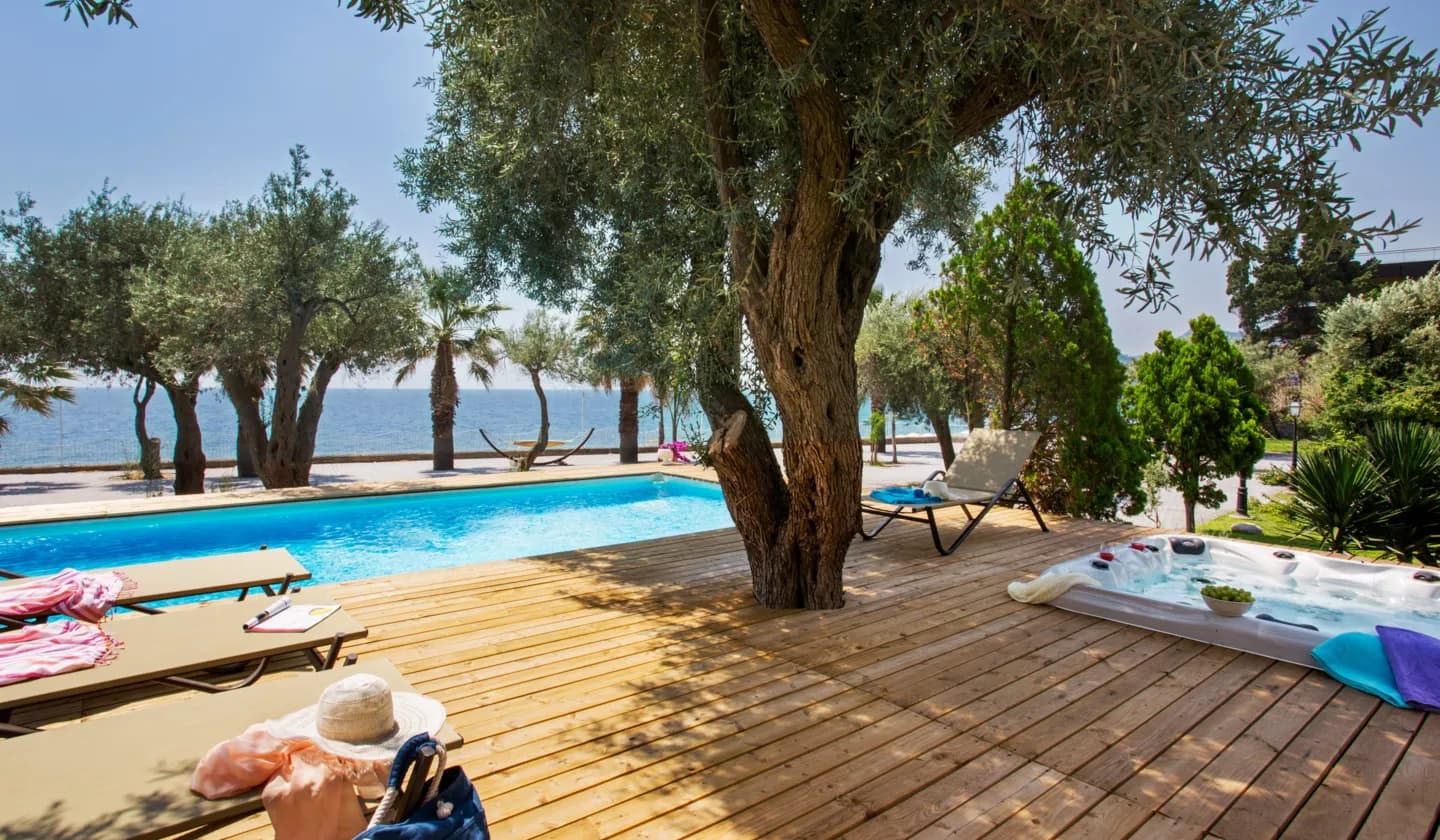
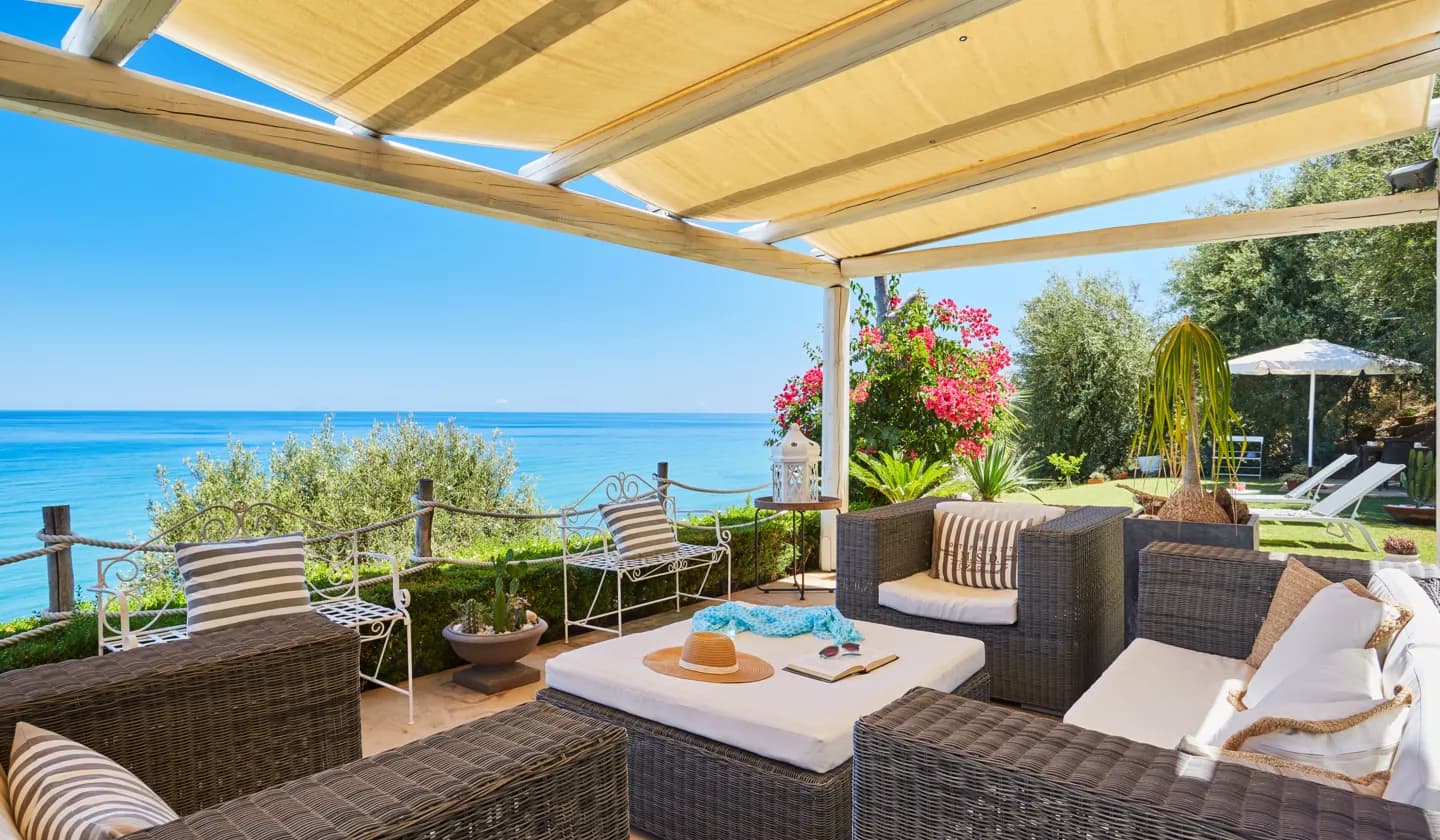
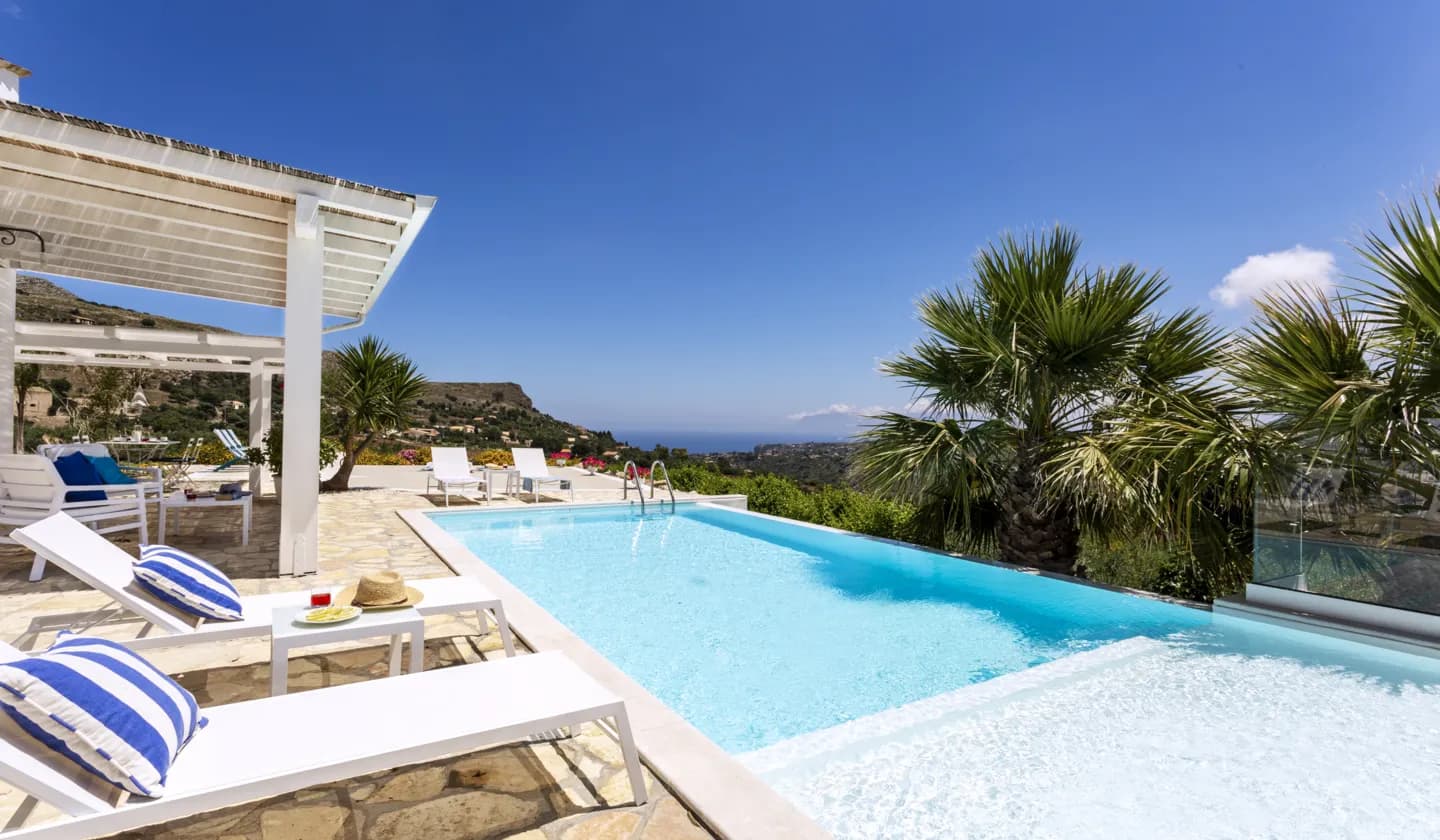
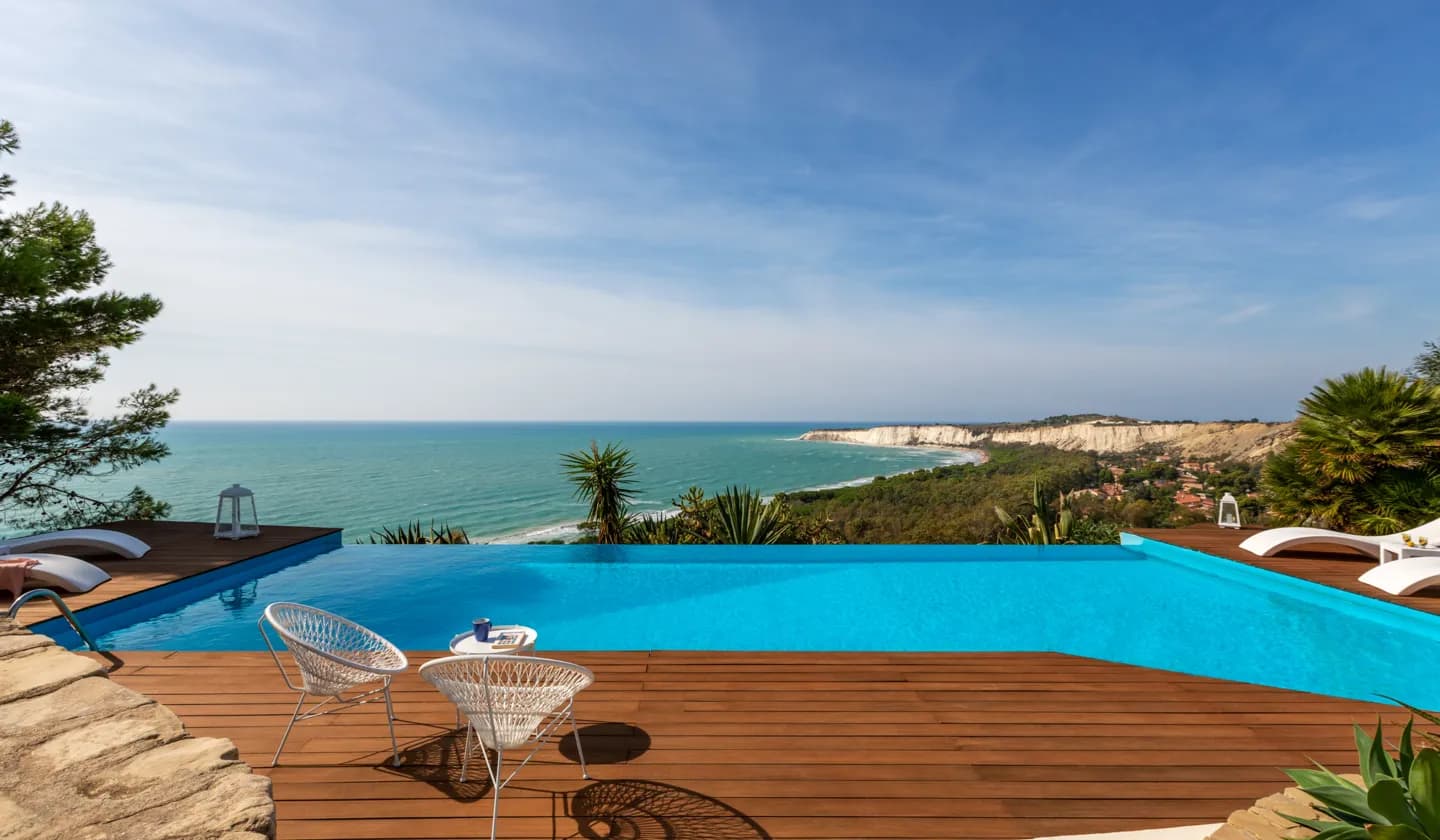
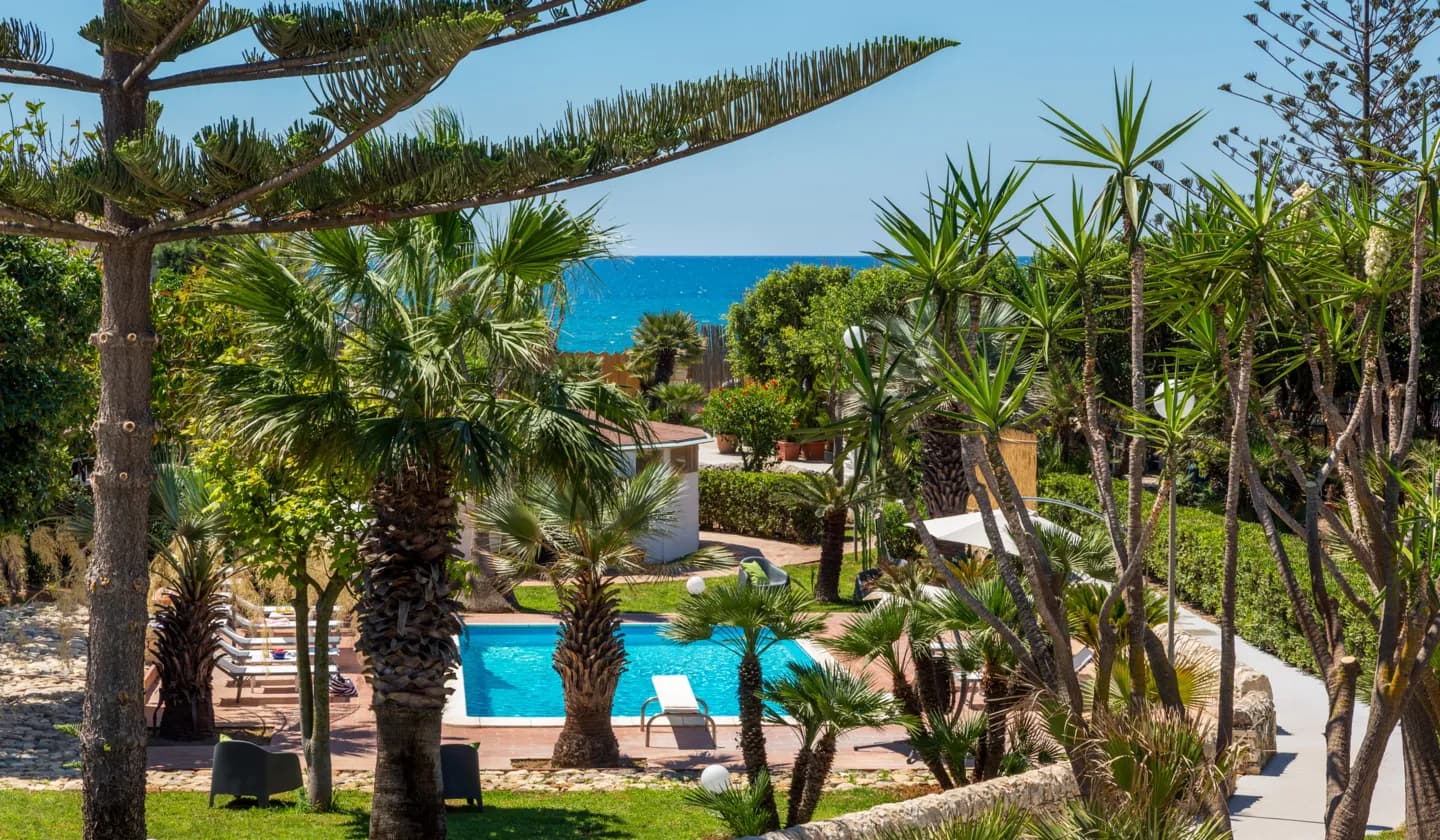
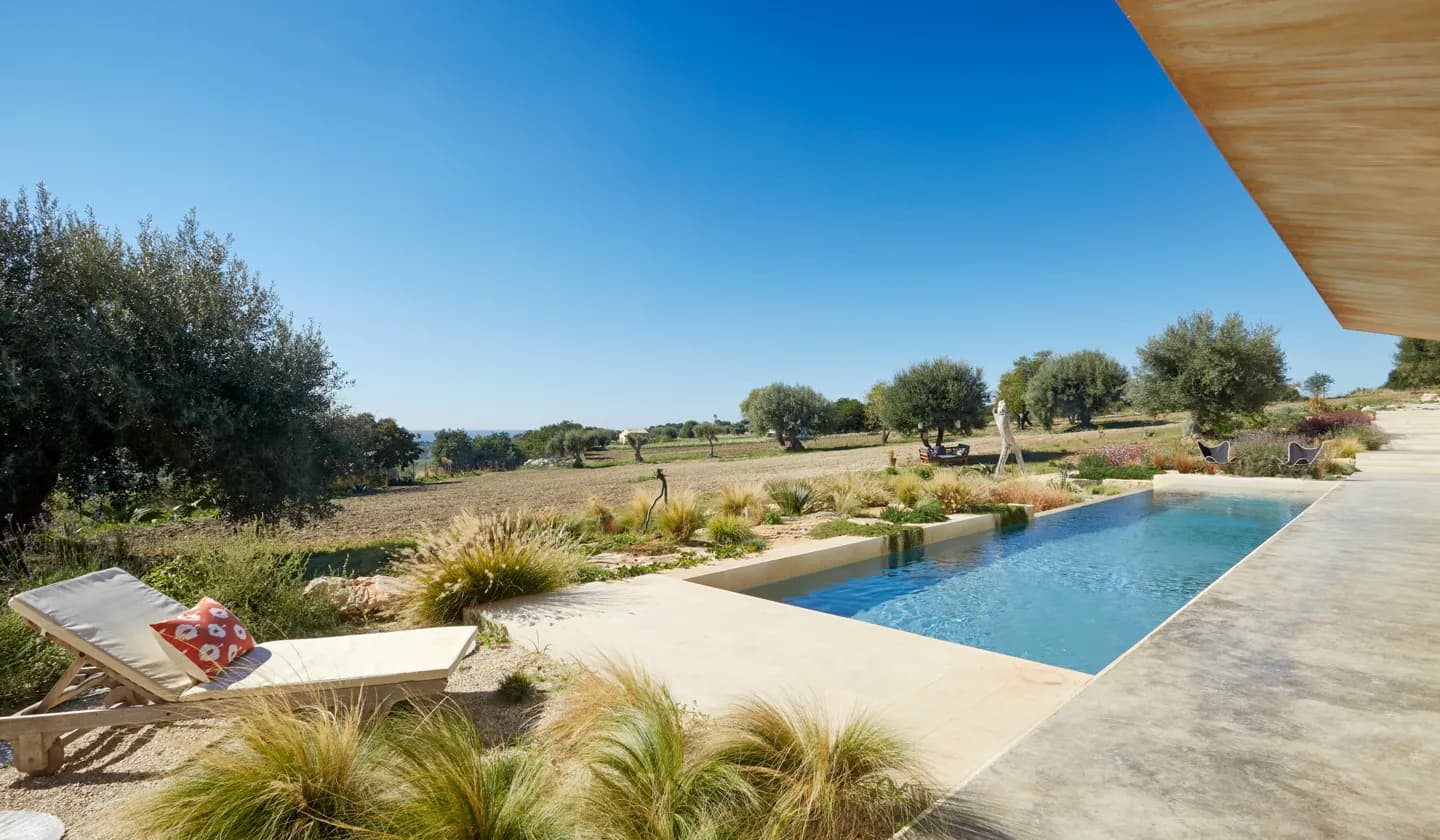
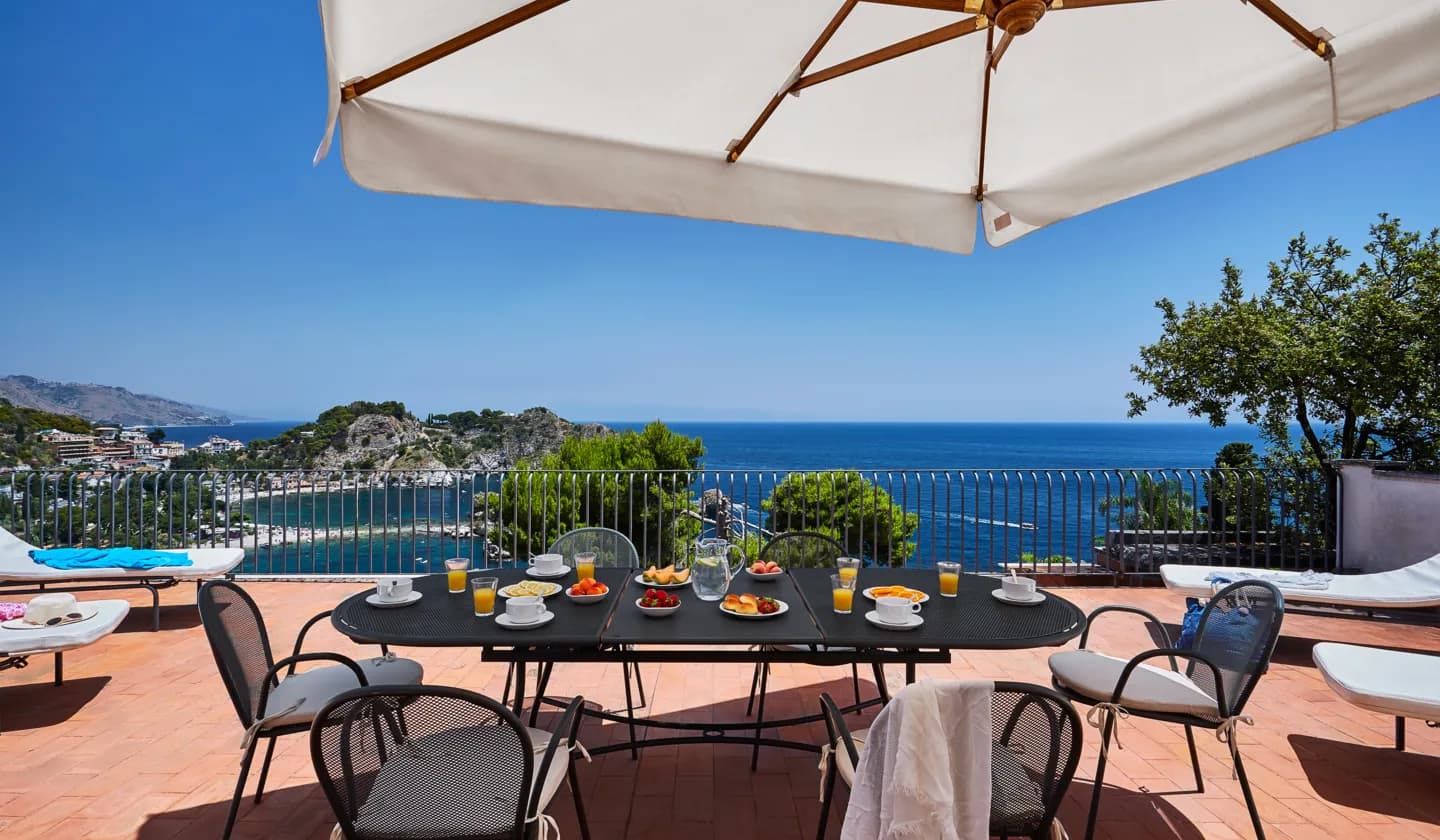
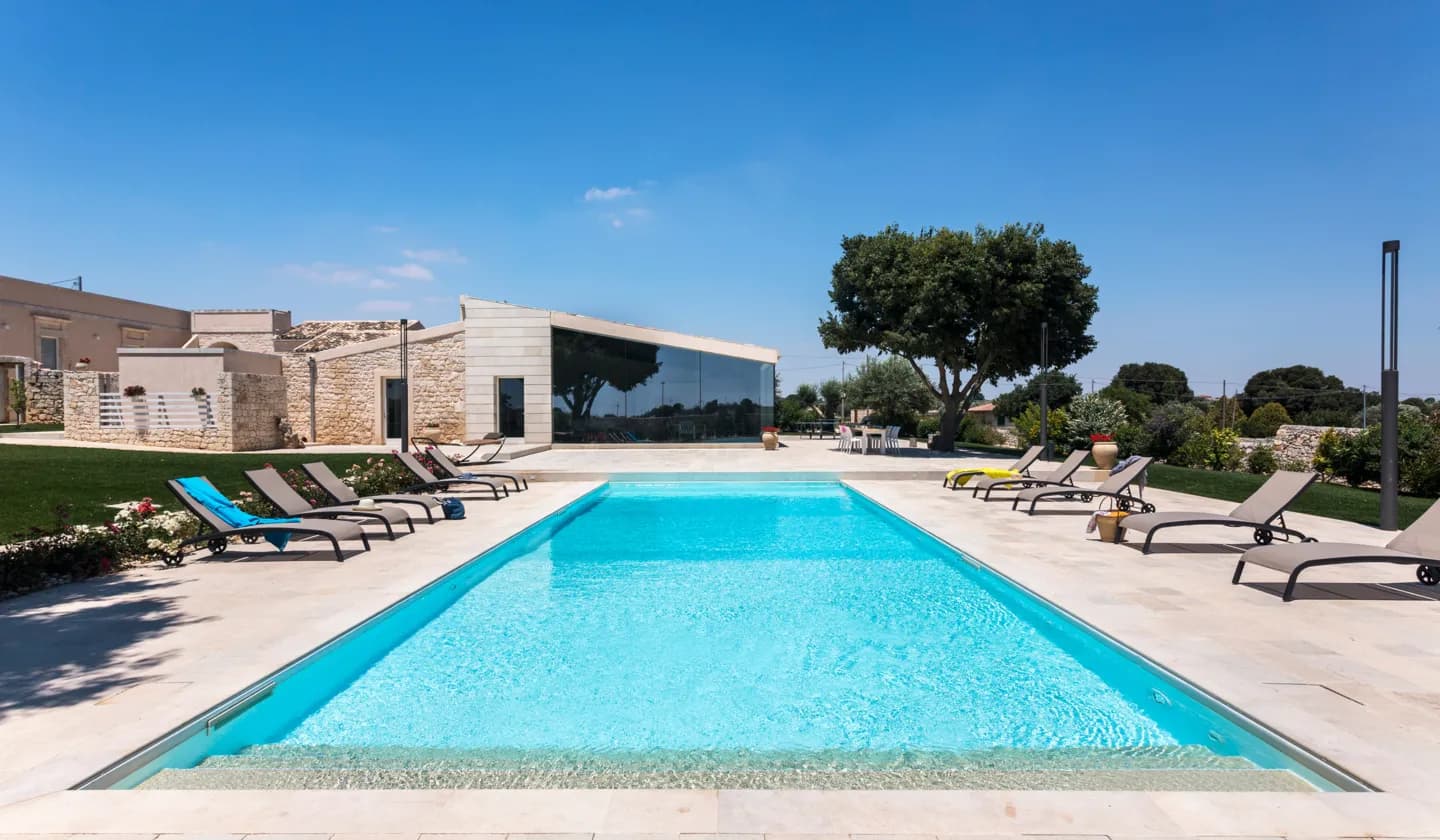
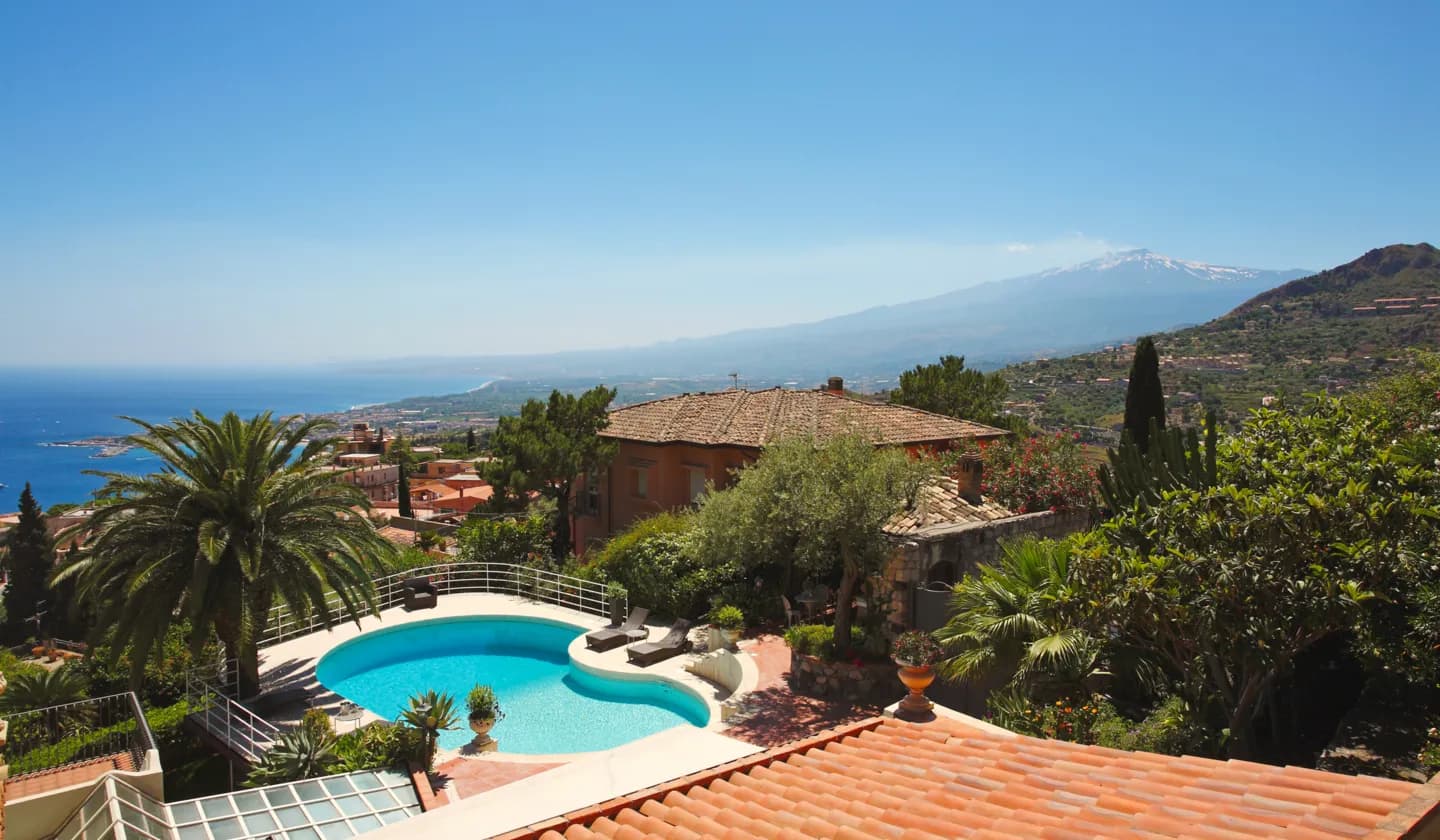
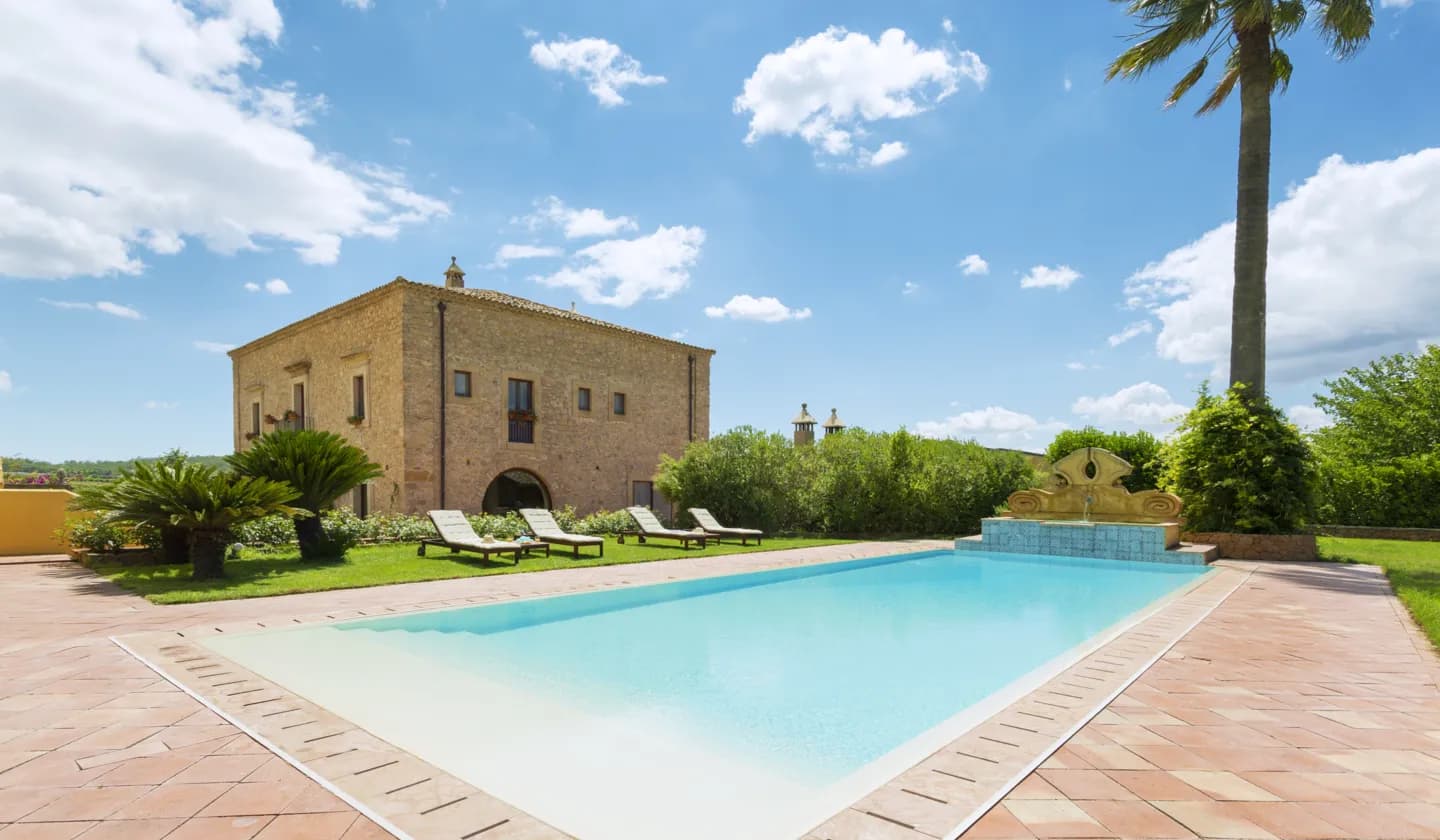
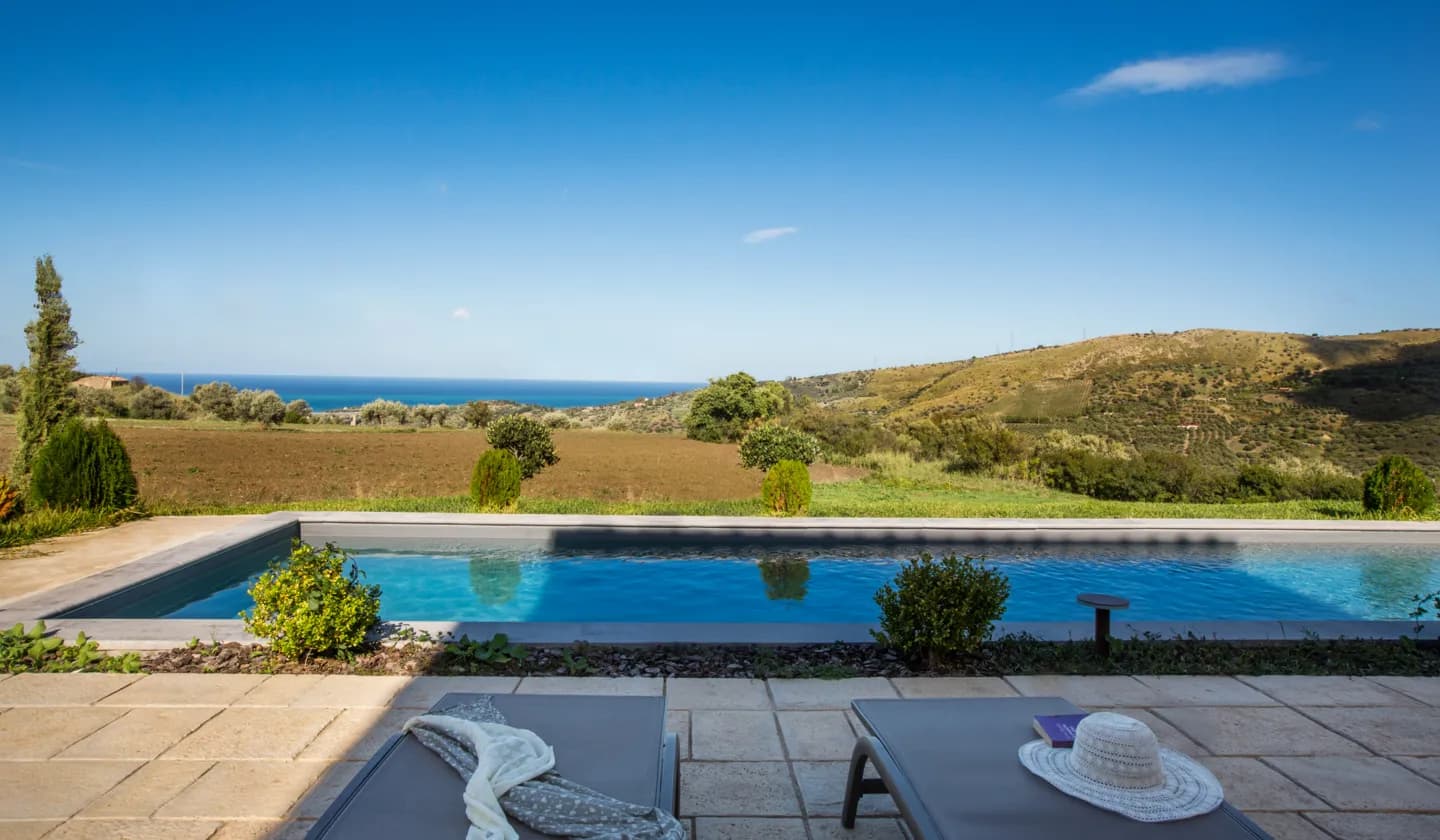
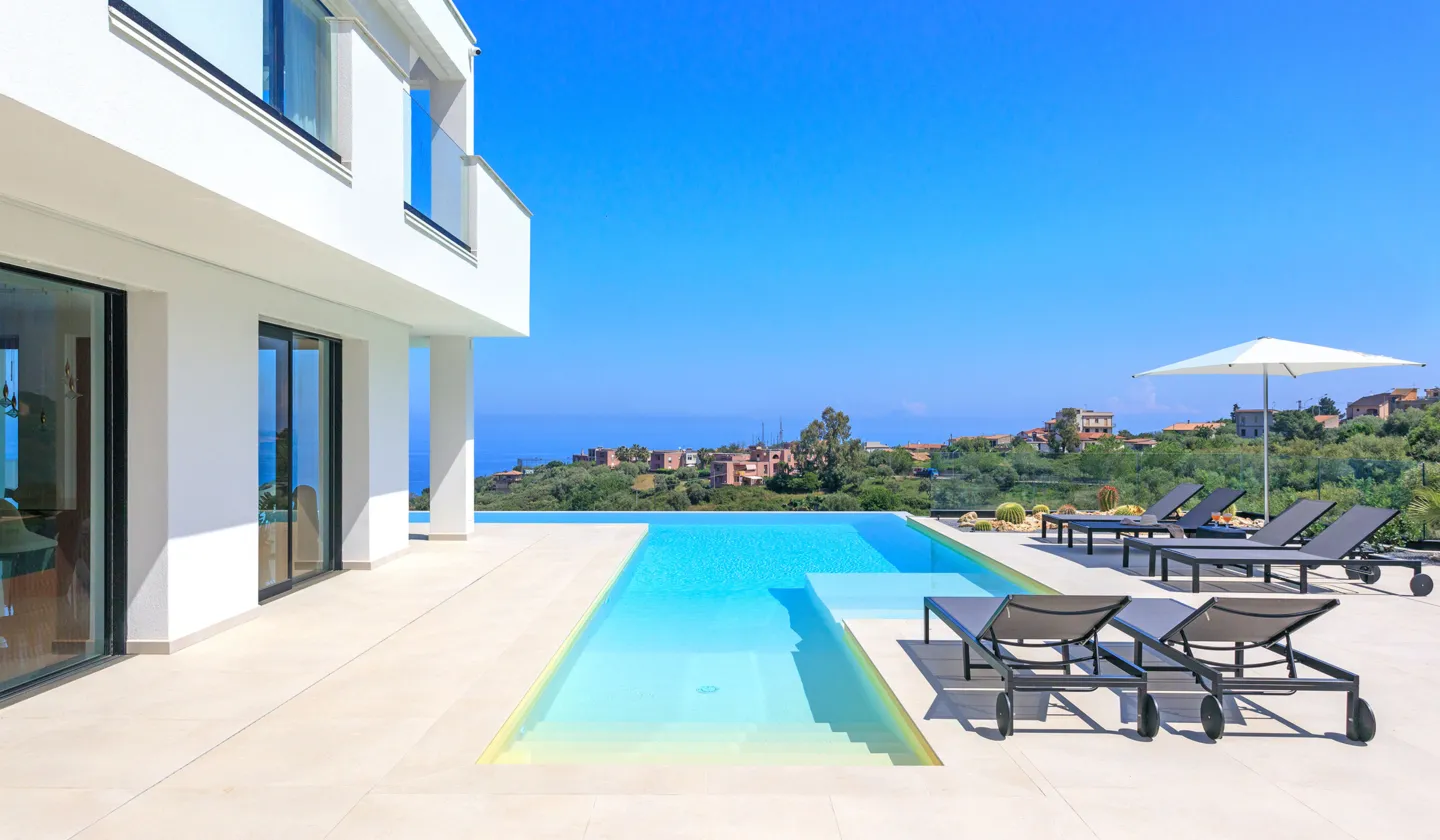
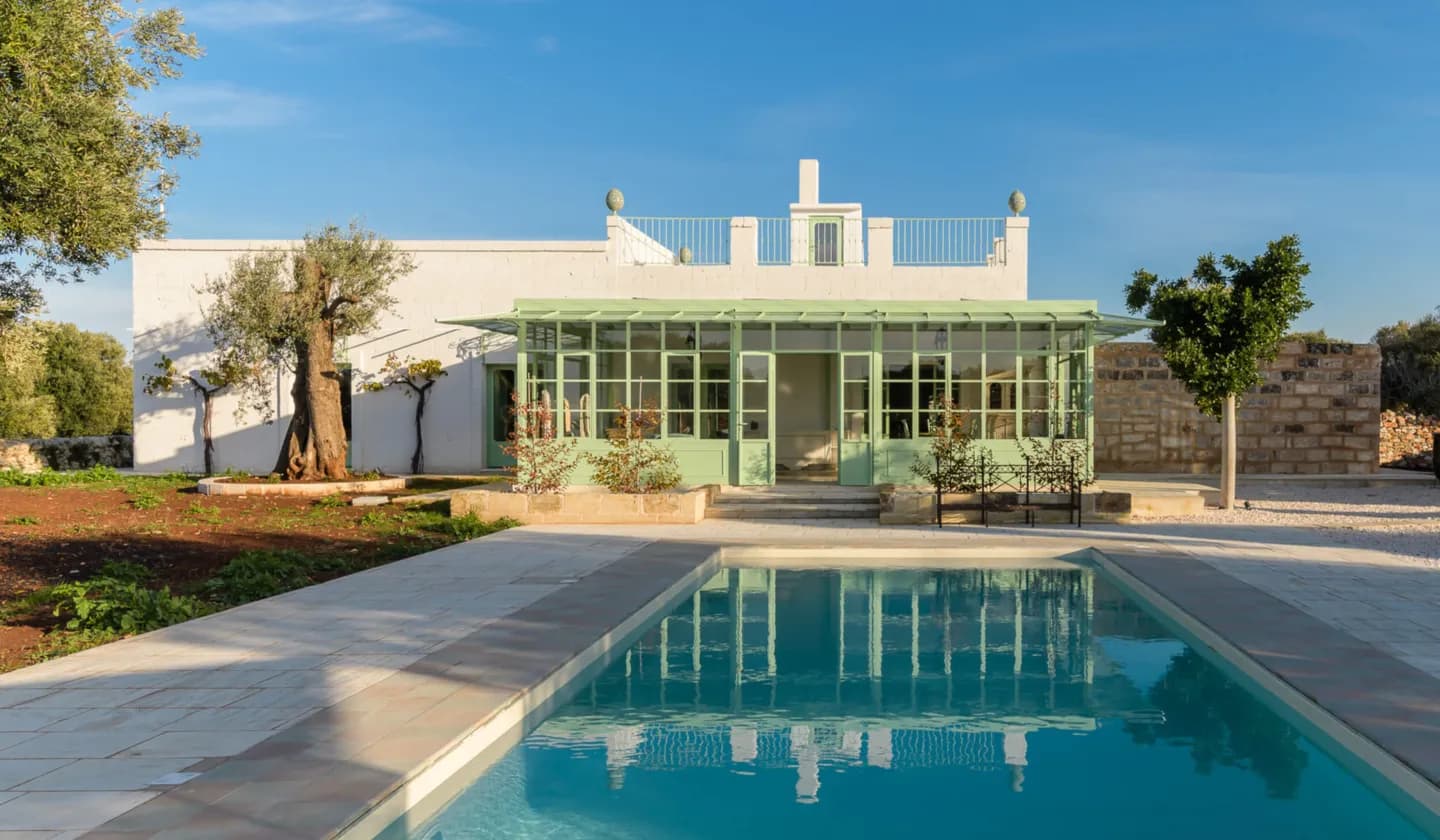
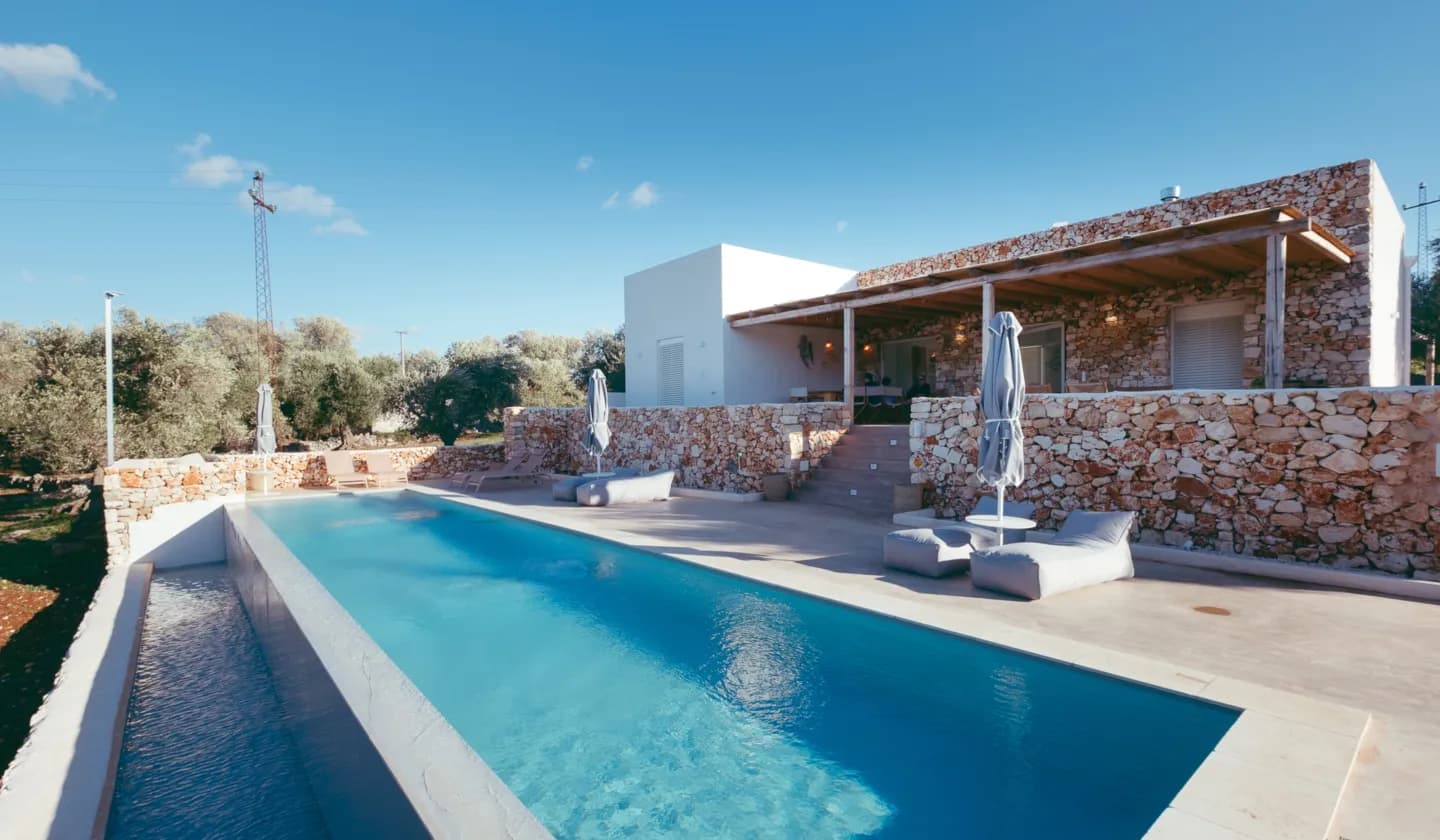
The catalogue of villas in Sicily near Siracusa offers several ideal options for exploring the city and its surroundings while maintaining a close connection with the landscape.
Siracusa is not a city to be “ticked off the list”, but to be understood. And understanding it takes time.
Which Places in Ortigia Feel the Most Authentic?
Ortigia is the symbolic and geographical heart of Siracusa, but its charm does not only lie in its most famous monuments. Its true strength is the balance between history and everyday life, between iconic spaces and more understated corners.
One of the most characteristic places is the Ortigia market, especially in the early morning hours. Here, long-standing gestures come together: cleaning fish, selecting vegetables, conversations between vendors and regular customers. Visiting the market is not just about shopping, but about observing a food culture still deeply rooted in the land.
Moving away from the main streets leads into the Giudecca district, one of the quietest and most intimate areas of the island. Narrow lanes, low buildings and internal courtyards create an almost domestic atmosphere. This area is also home to the mikveh, a Jewish ritual bath carved into the rock, bearing witness to a historical presence that is often overlooked.
The Fonte Aretusa area is the most evident point of contact between Ortigia and the sea. Mythology, lush vegetation, proximity to the water and the promenade create a space that is both symbolic and lived-in, which is particularly evocative at sunset.
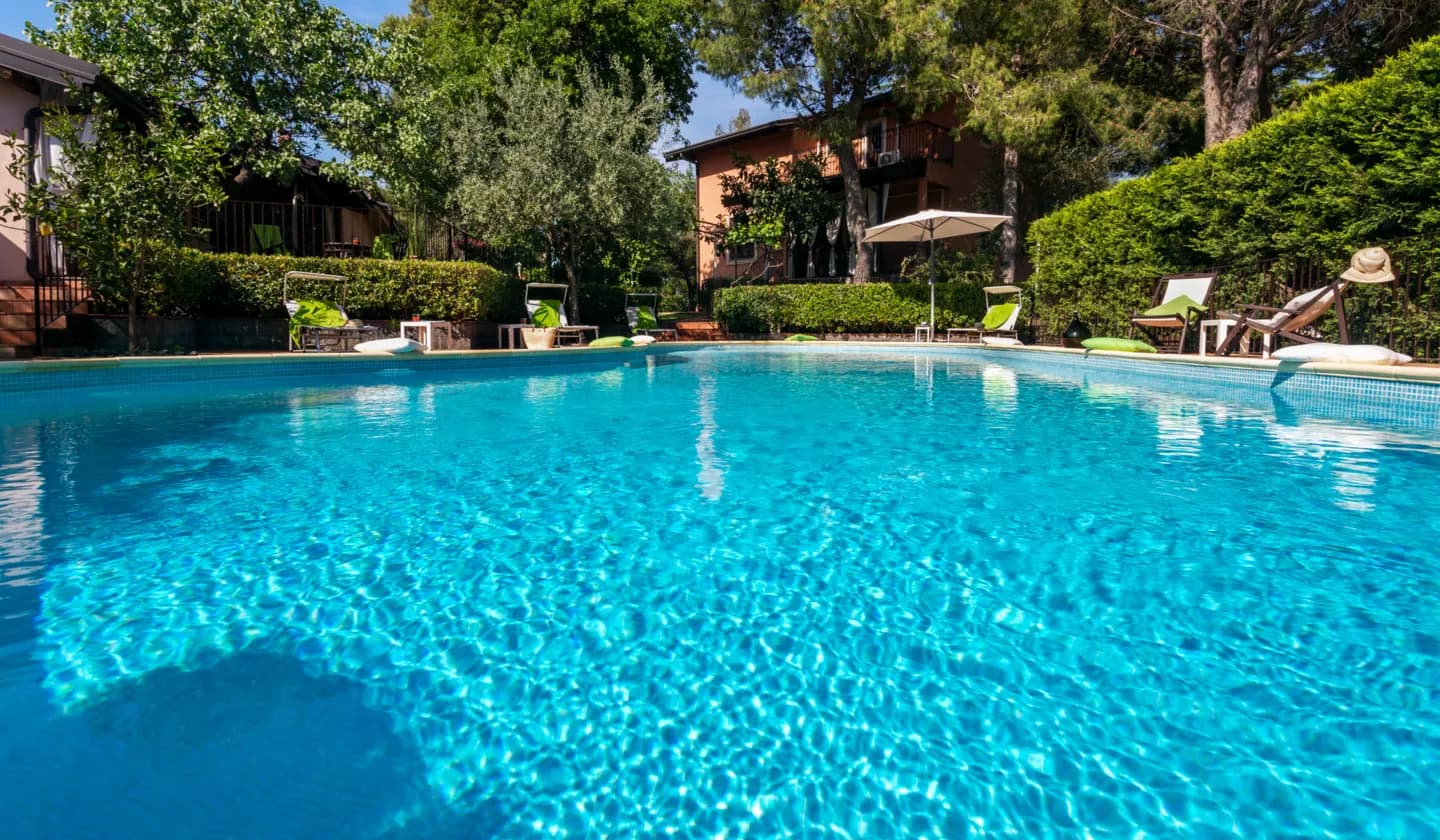
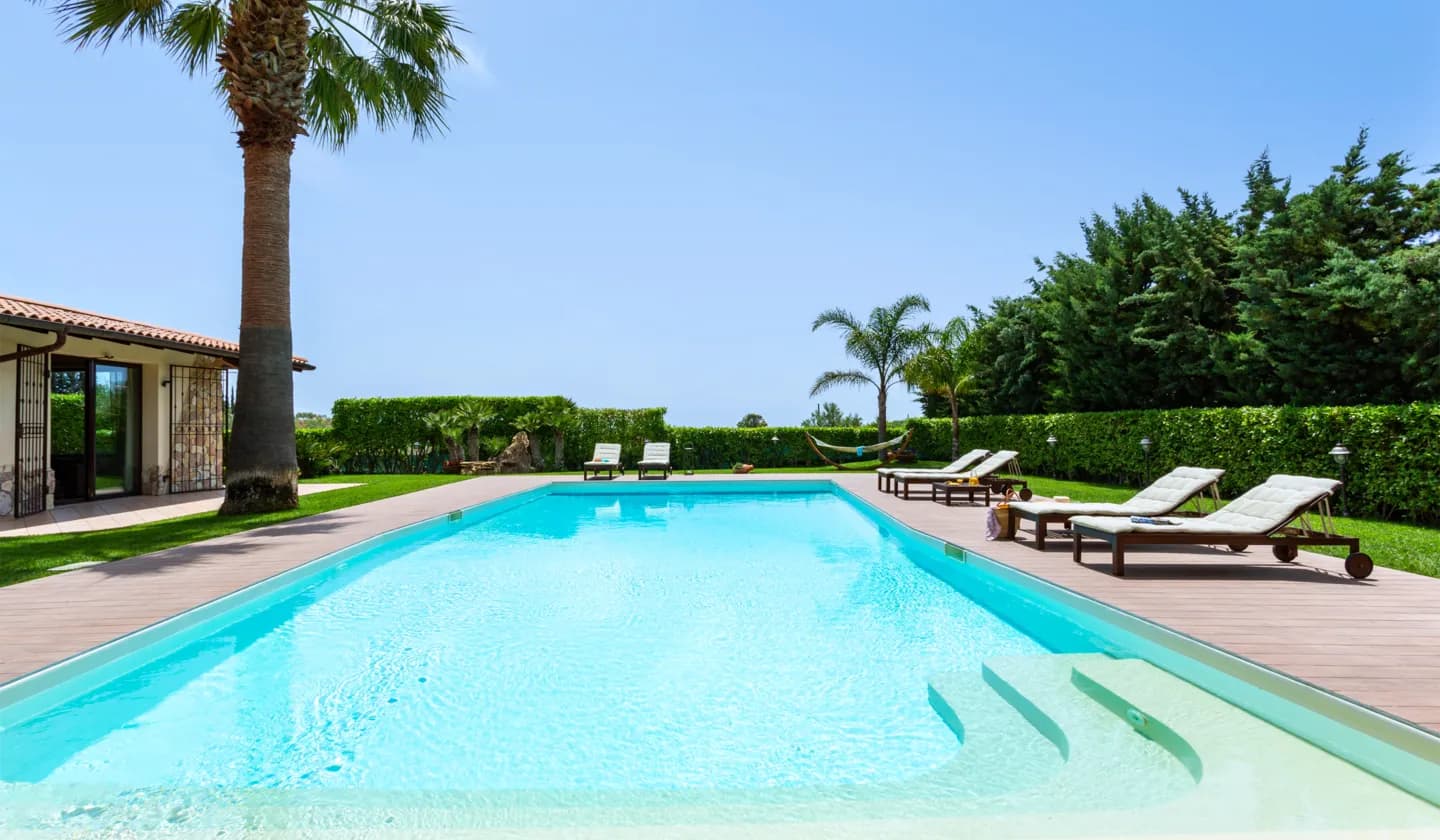
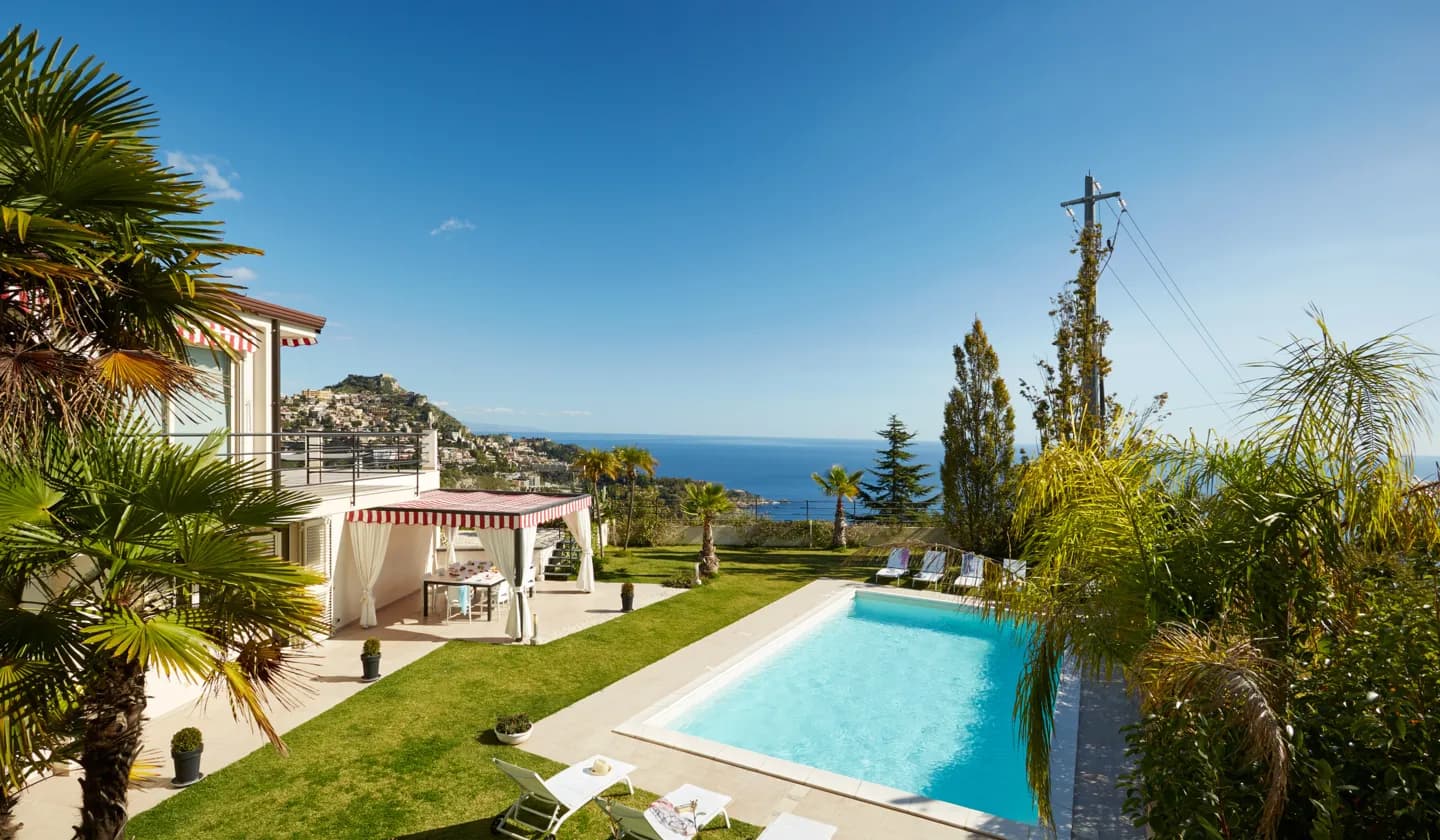
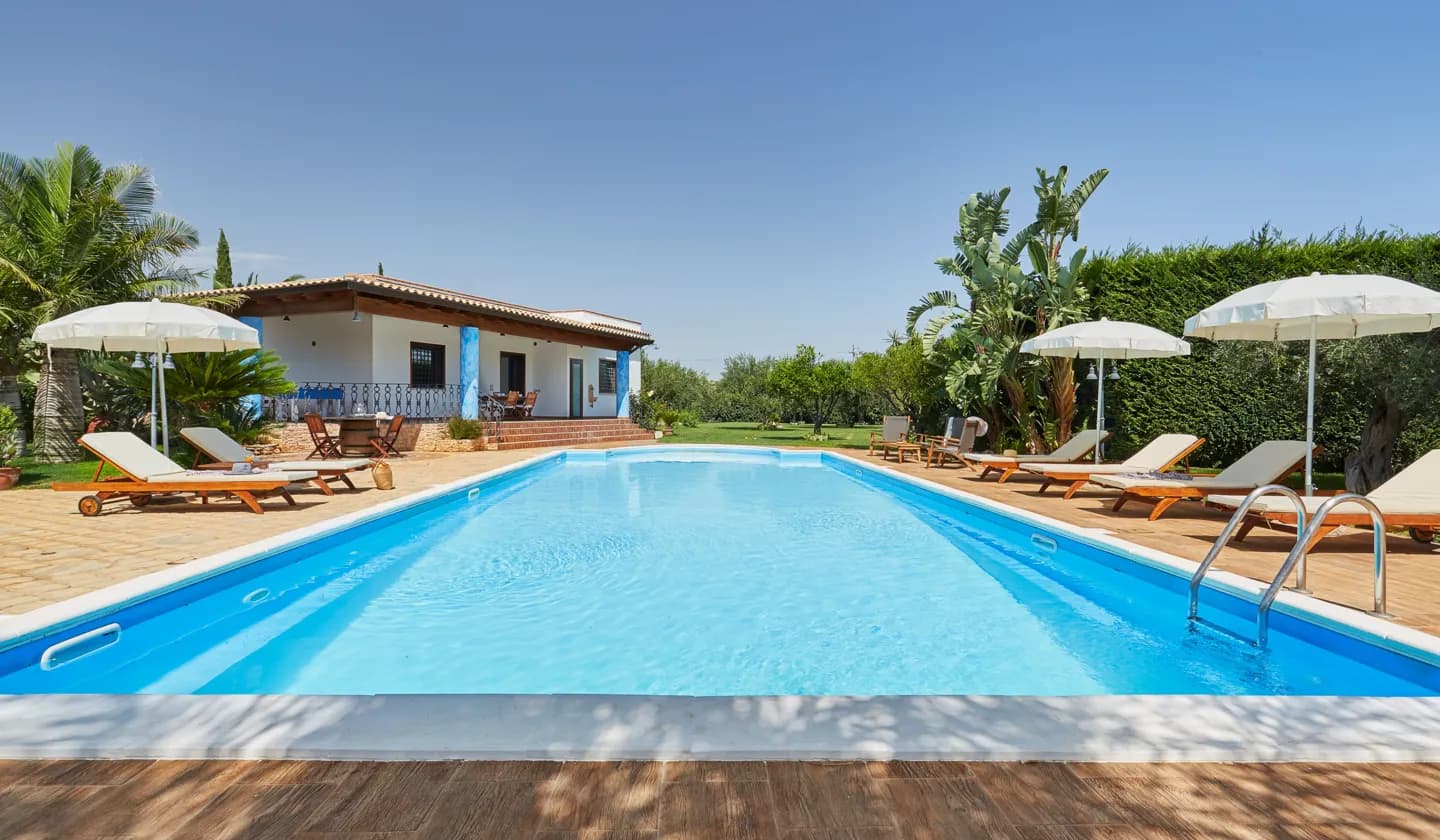
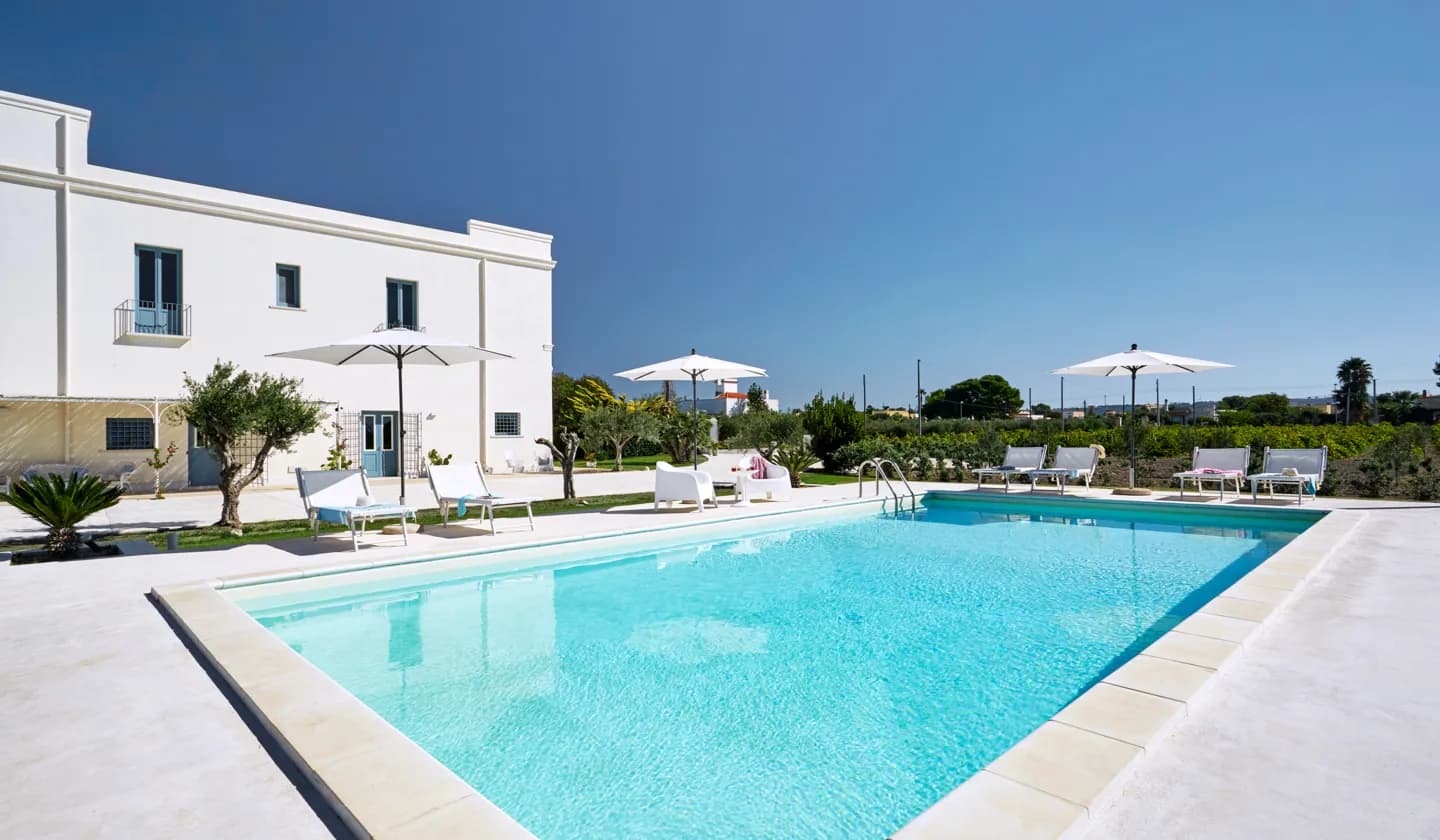
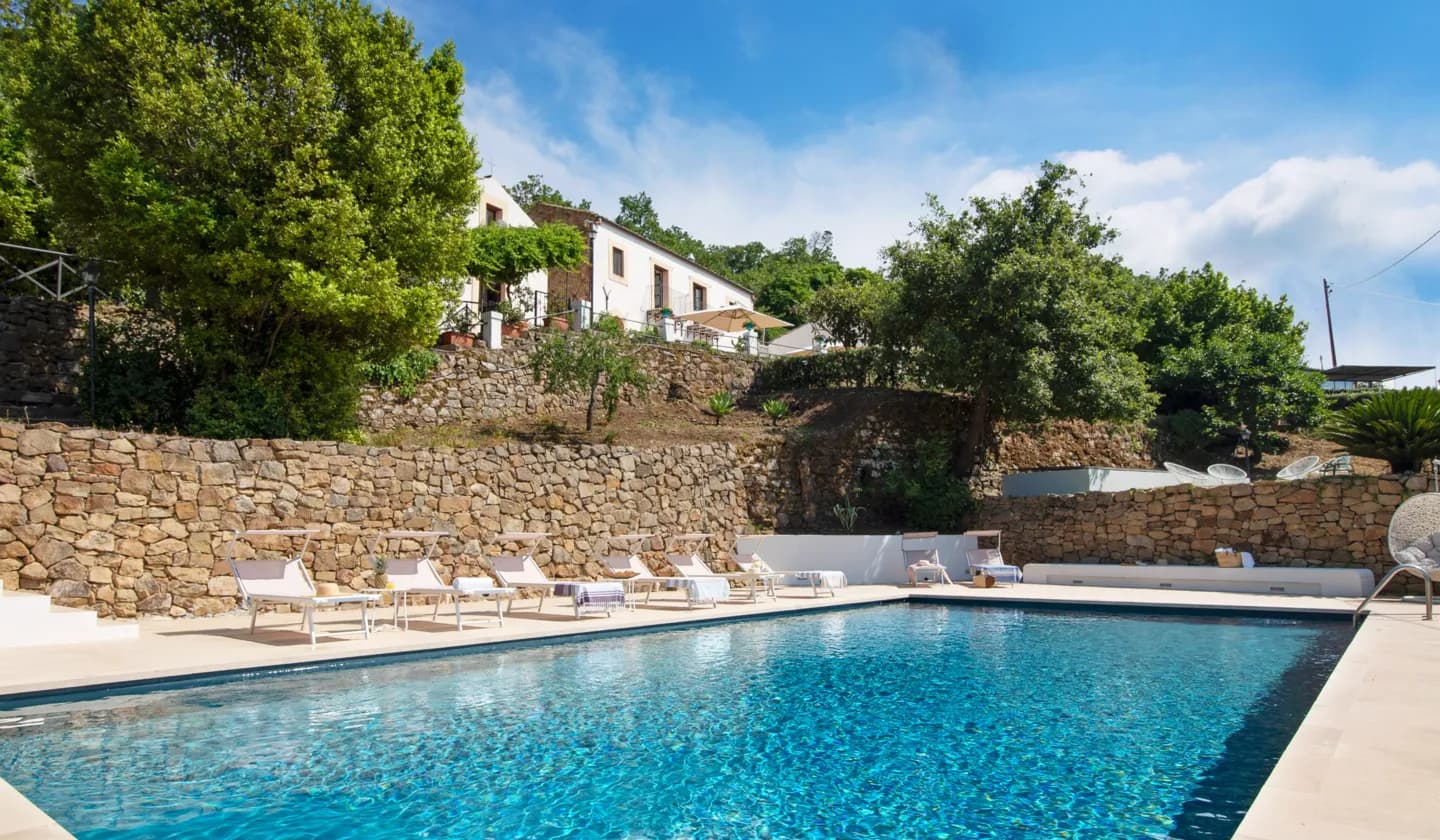
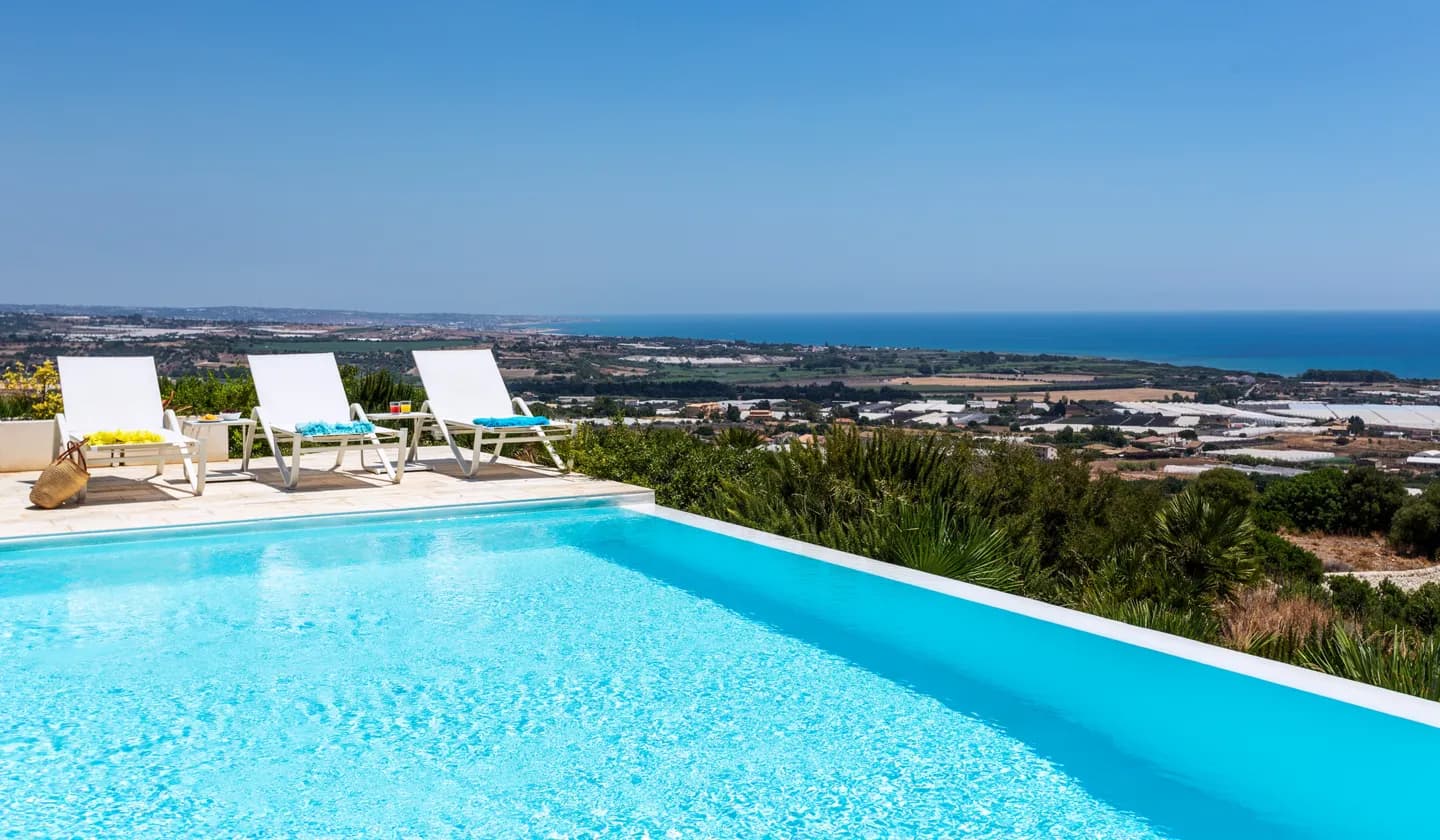
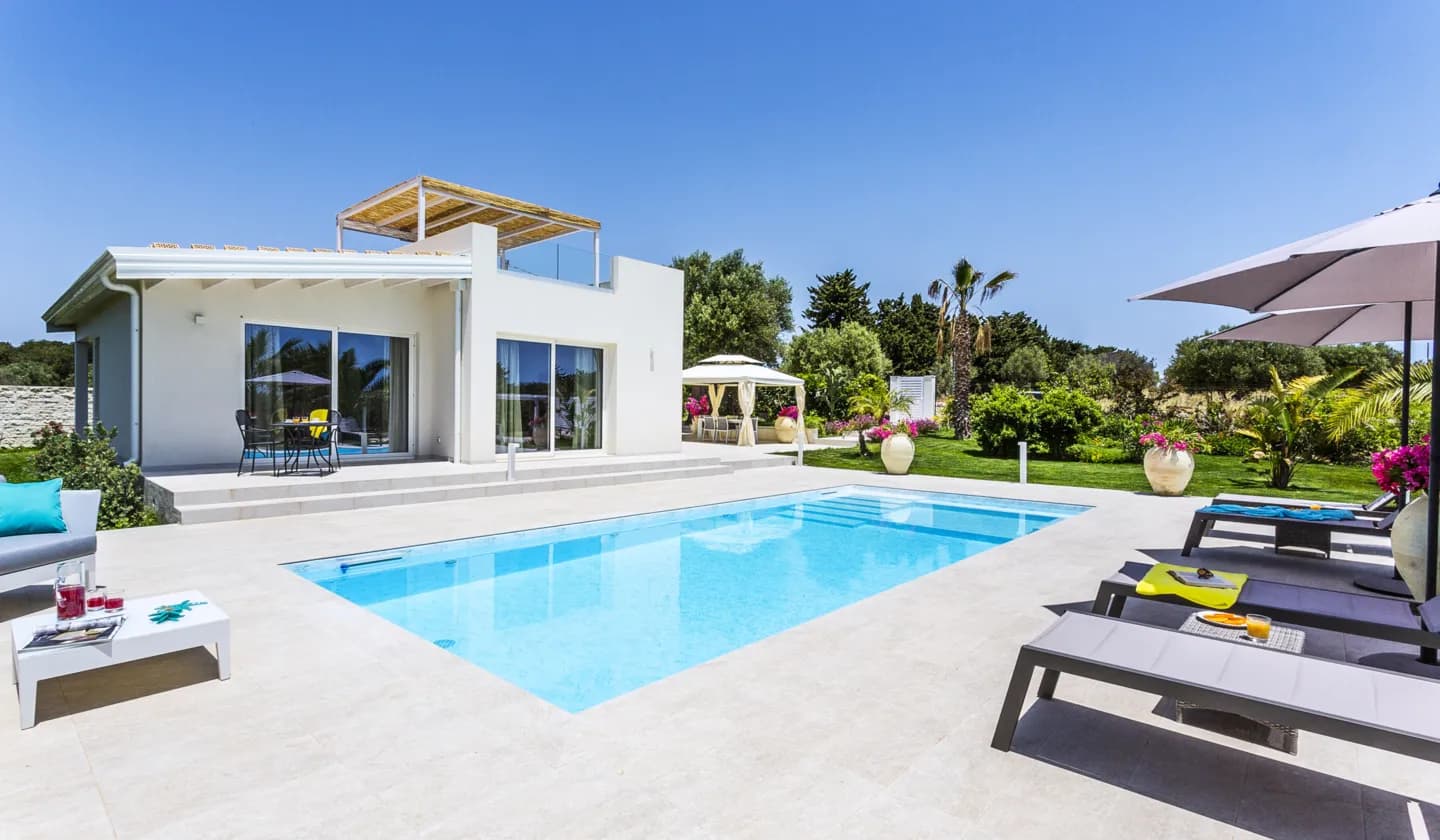
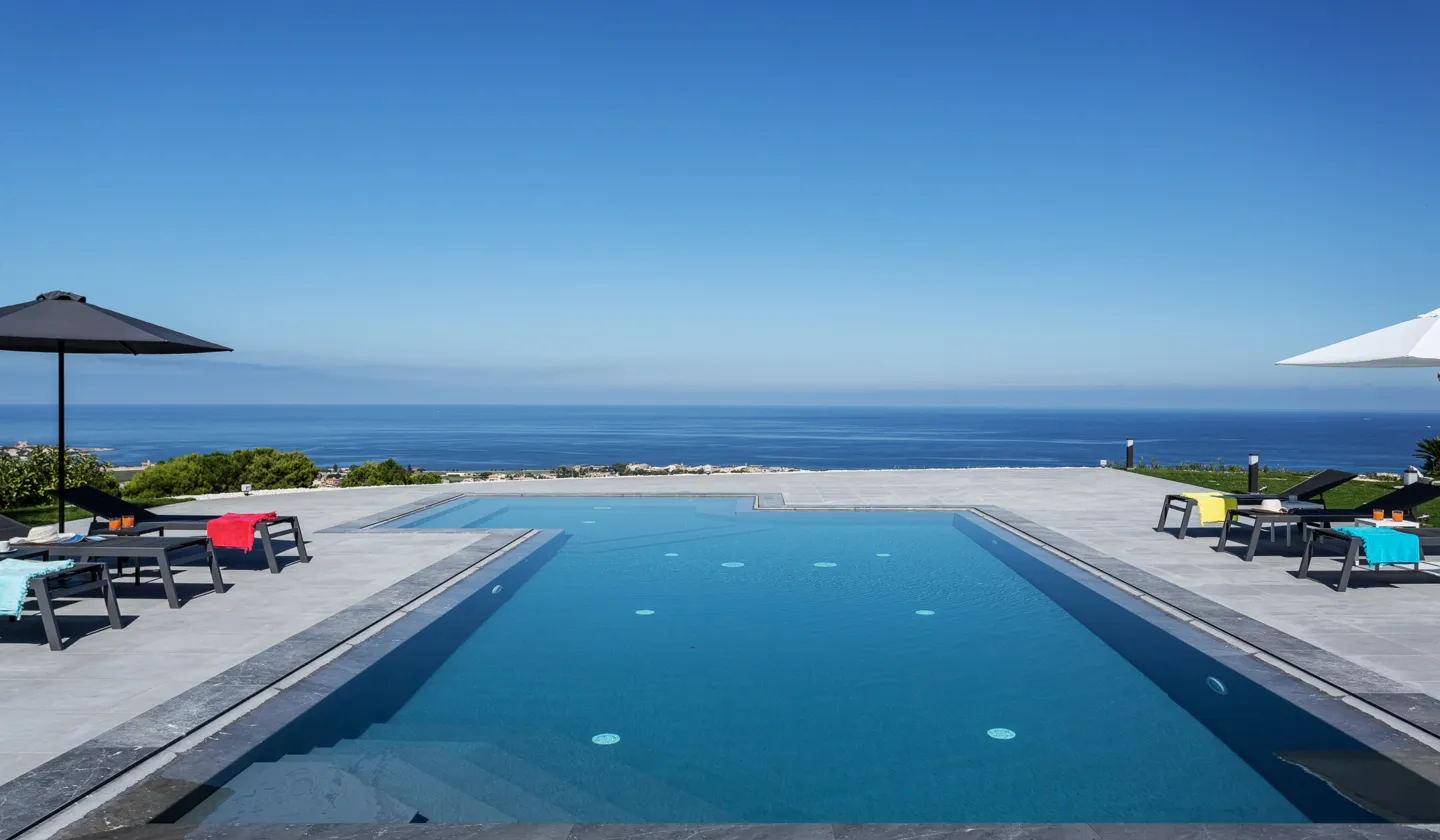
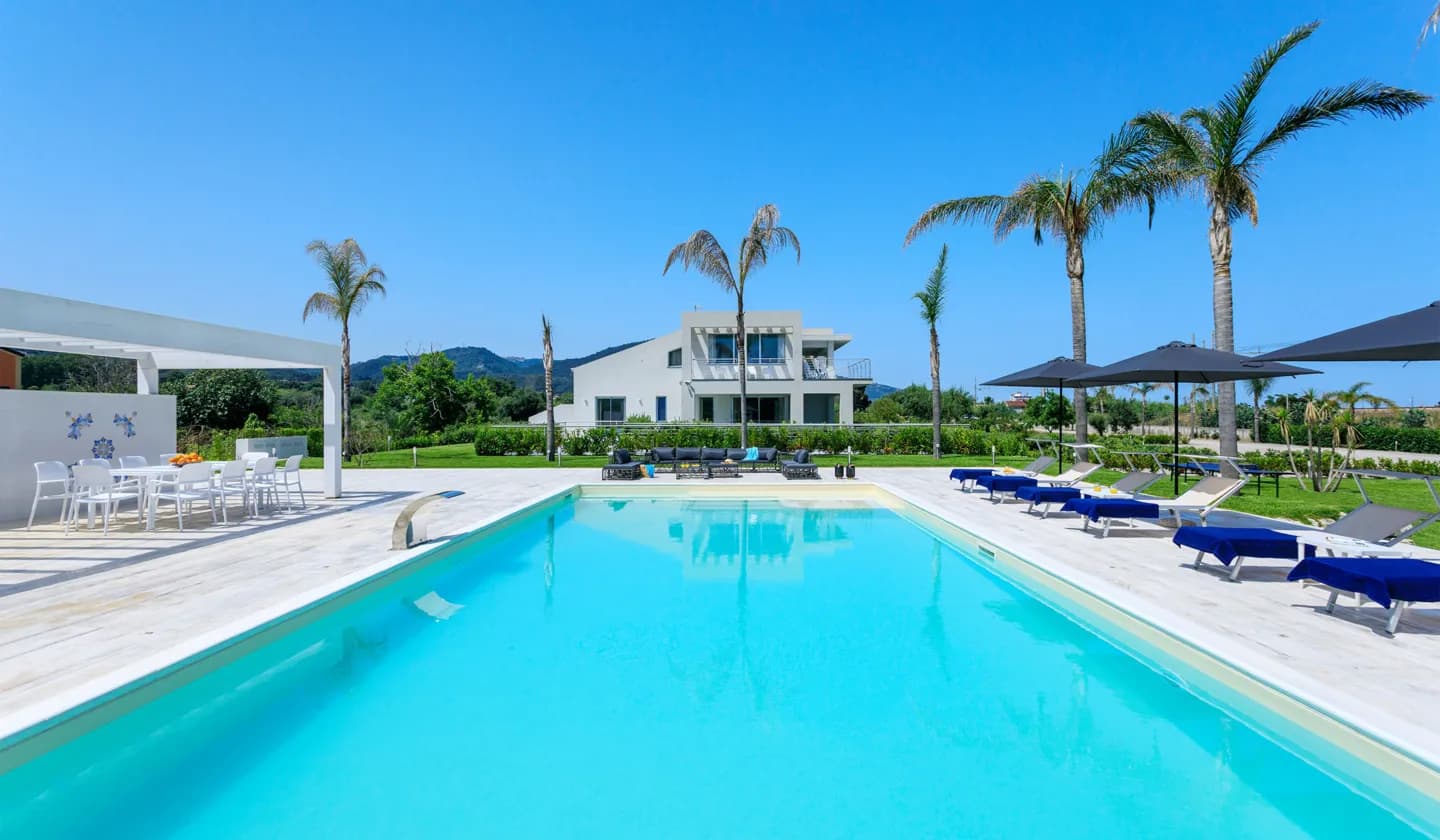
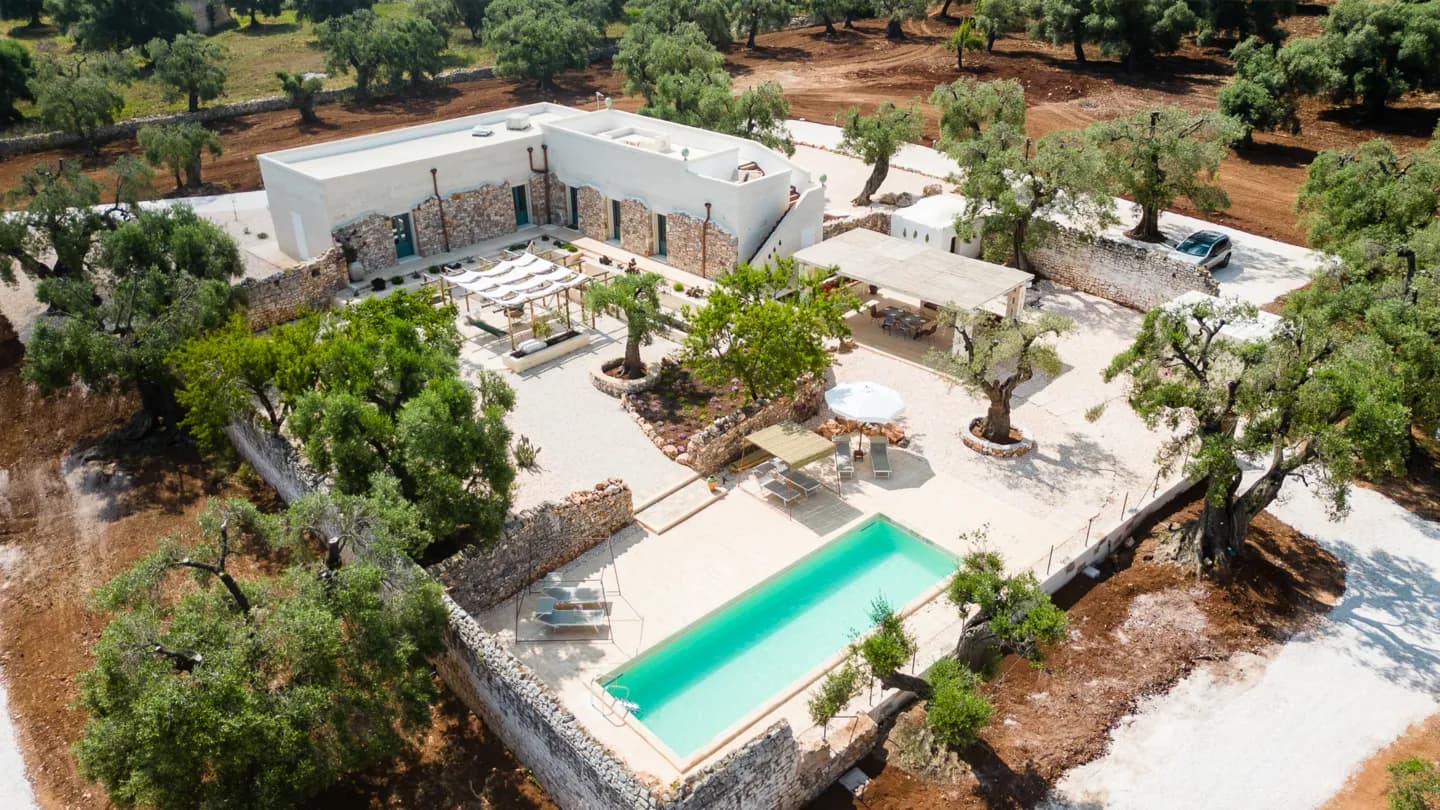
For those wishing to visit Ortigia while maintaining a more private setting, choosing a villa in the surrounding area is a balanced solution. La Ferla allows easy access to Ortigia and the main areas of interest in Siracusa, while offering well-kept outdoor spaces and an environment suited to those who value privacy and continuity with the landscape.
Which Historic Sites are Truly Worth Visiting?
Siracusa was one of the most powerful cities of the Greek and Roman worlds, and this importance is still clearly visible in its archaeological sites. The place that best encapsulates this heritage is the Neapolis Archaeological Park, one of the most significant monumental complexes in Europe.
The Greek Theatre is the focal point of the park. Carved into the rock and overlooking the surrounding landscape, it is not just a monument but a space designed to be experienced. The classical performances held here restore the theatre’s original function, making the visit particularly powerful.
Nearby lies the Latomia del Paradiso, a former stone quarry transformed into a monumental space, within which is the Ear of Dionysius. Here, nature, architecture and legend merge in a unique way, creating an environment that goes beyond a simple visit.
The Roman Amphitheatre, often less crowded, tells the story of the city’s imperial phase and completes the picture of ancient Siracusa. Its location also helps illustrate the city’s urban organisation during Roman times.
In Ortigia, the Cathedral of Siracusa is perhaps the clearest example of historical stratification. Built incorporating a Doric temple, it visibly displays the Greek columns within its walls, showing the transition from one era to another without interruption.
To gain a broader cultural and geographical perspective, it may also be useful to read the article in our Travel Journal, What to see in Eastern Sicily.
Where to Swim near Siracusa and Ortigia?
One of the aspects that makes Siracusa particularly appealing is the ease with which the sea can be integrated into an itinerary. Here, swimming is not separate from cultural day trips but becomes a natural extension of them.
Near Ortigia there are rocky swimming spots and sea access points frequented by residents. These are ideal places for a quick swim, especially early in the morning or late in the afternoon, when the city slows down.
Heading south, visitors encounter wider sandy beaches such as Arenella and Plemmirio, characterised by clear waters and a well-preserved natural setting. The Plemmirio Marine Protected Area also offers interesting seabeds for snorkelling enthusiasts.
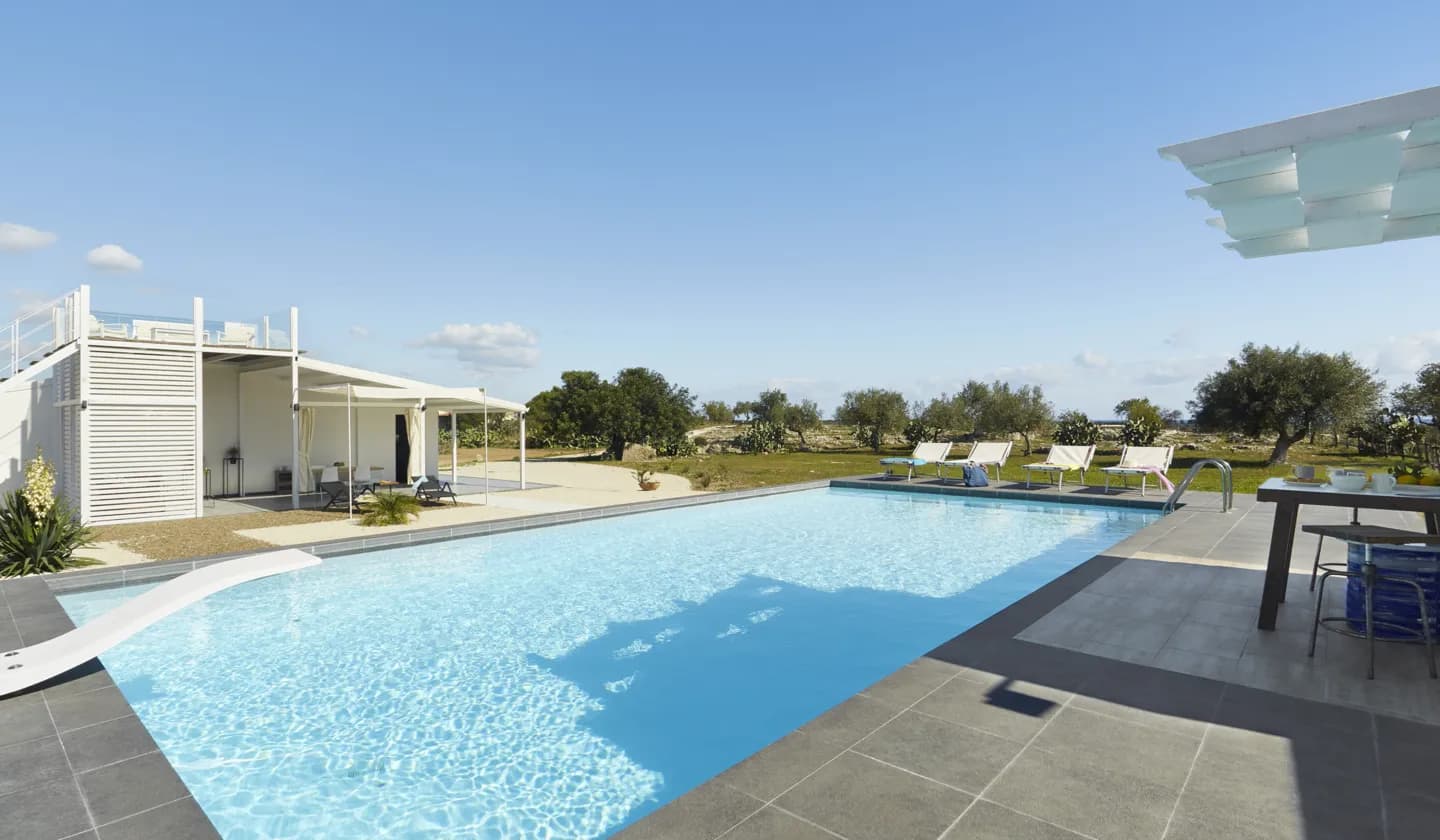
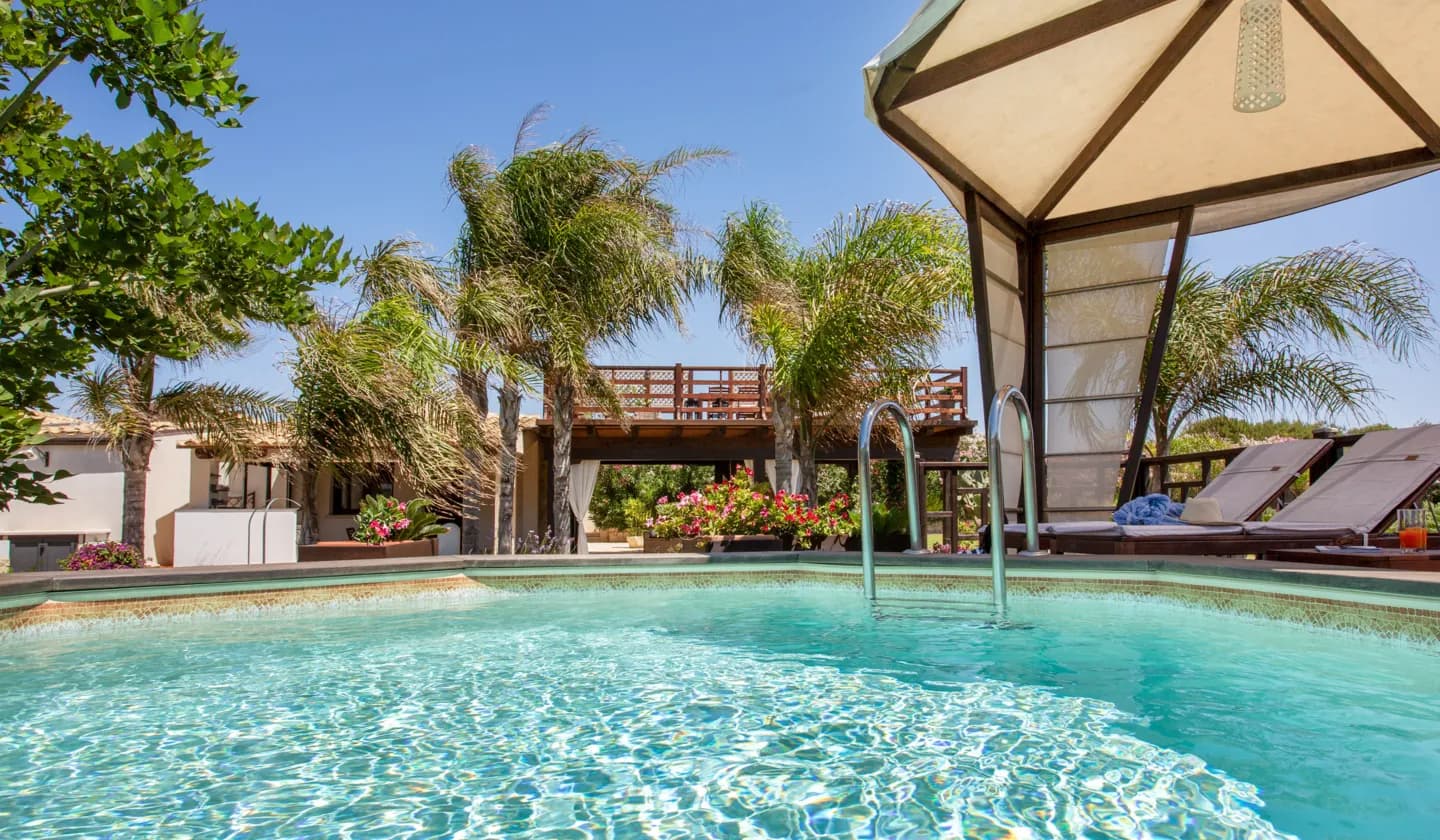
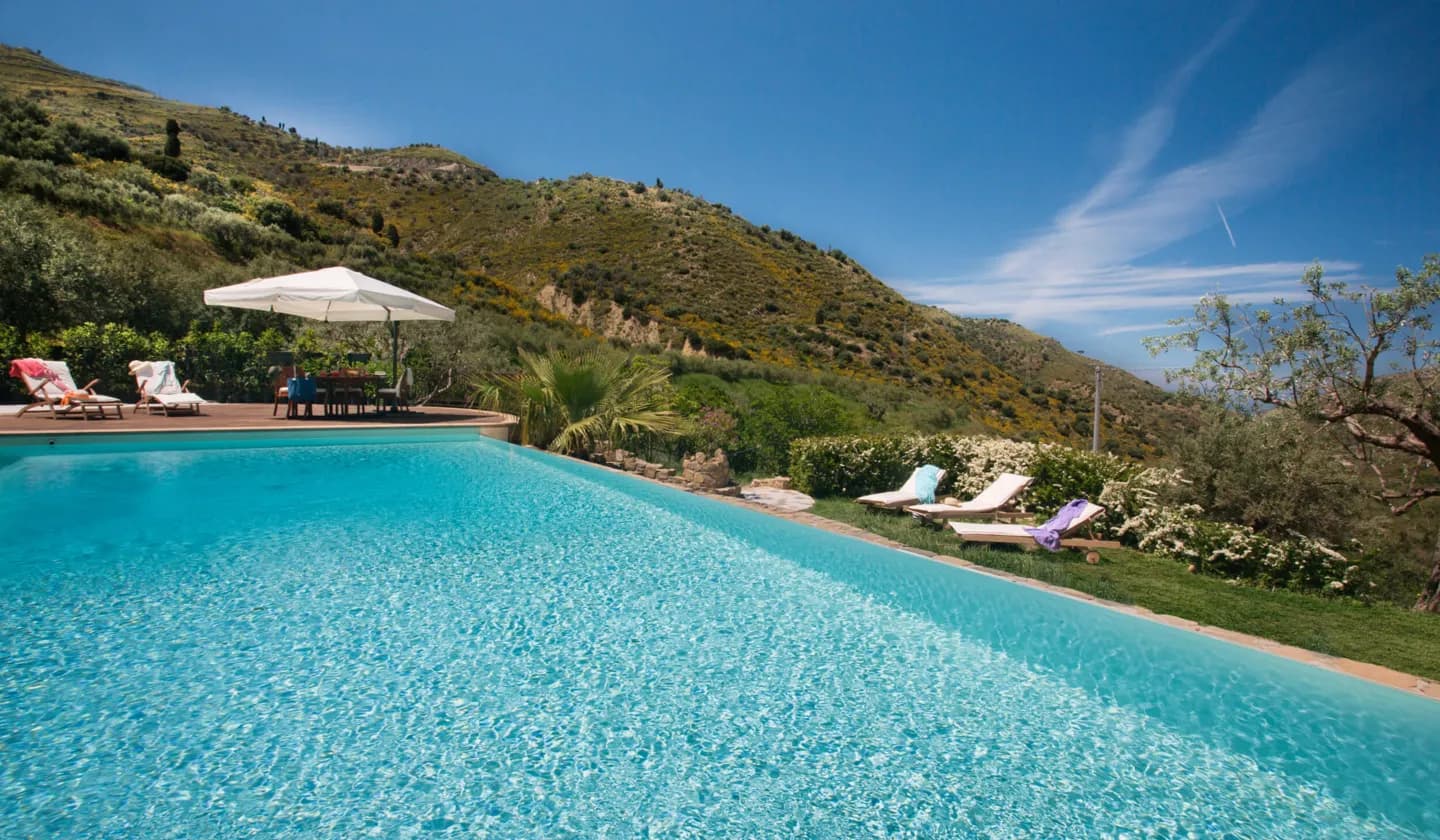
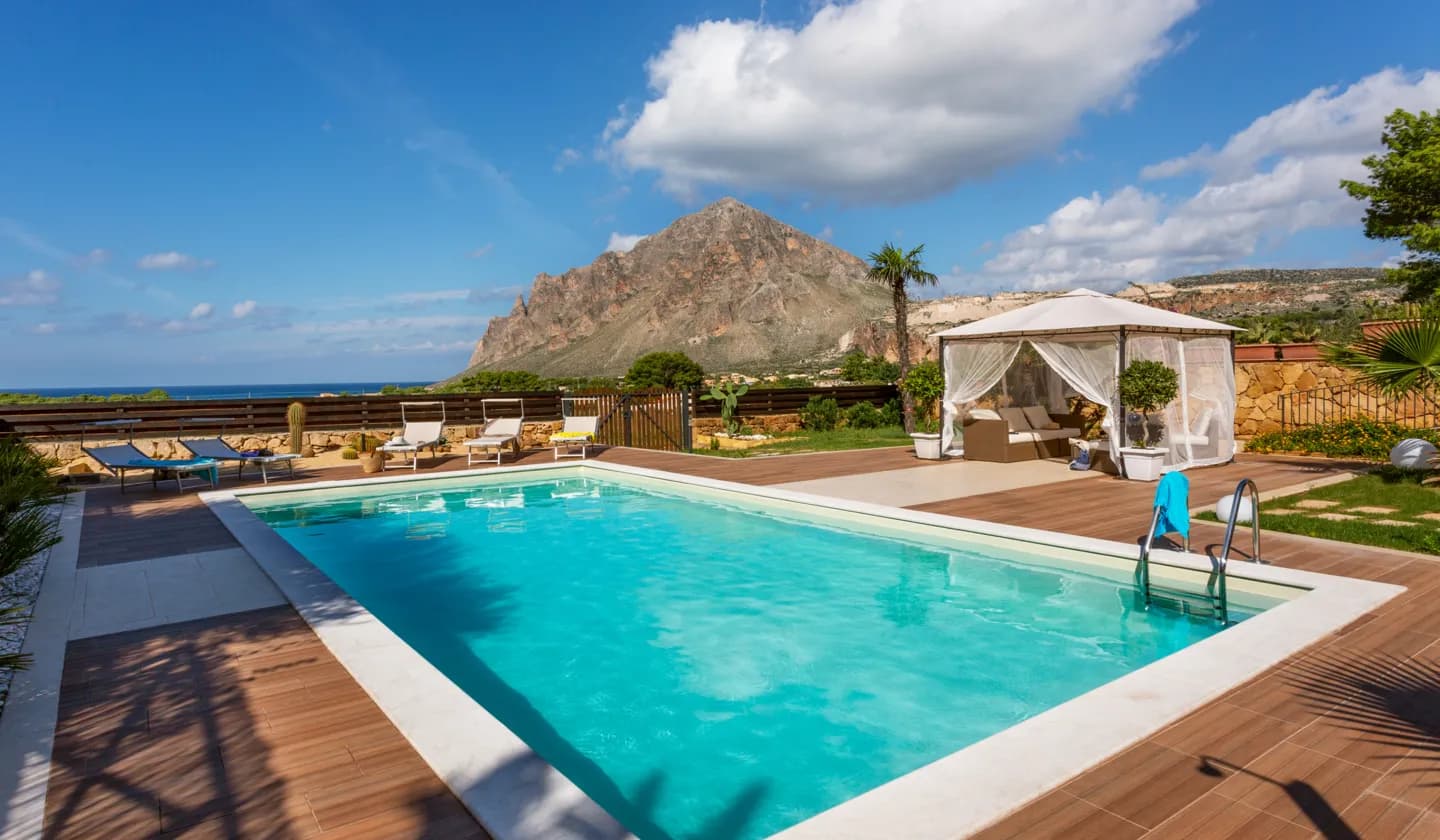
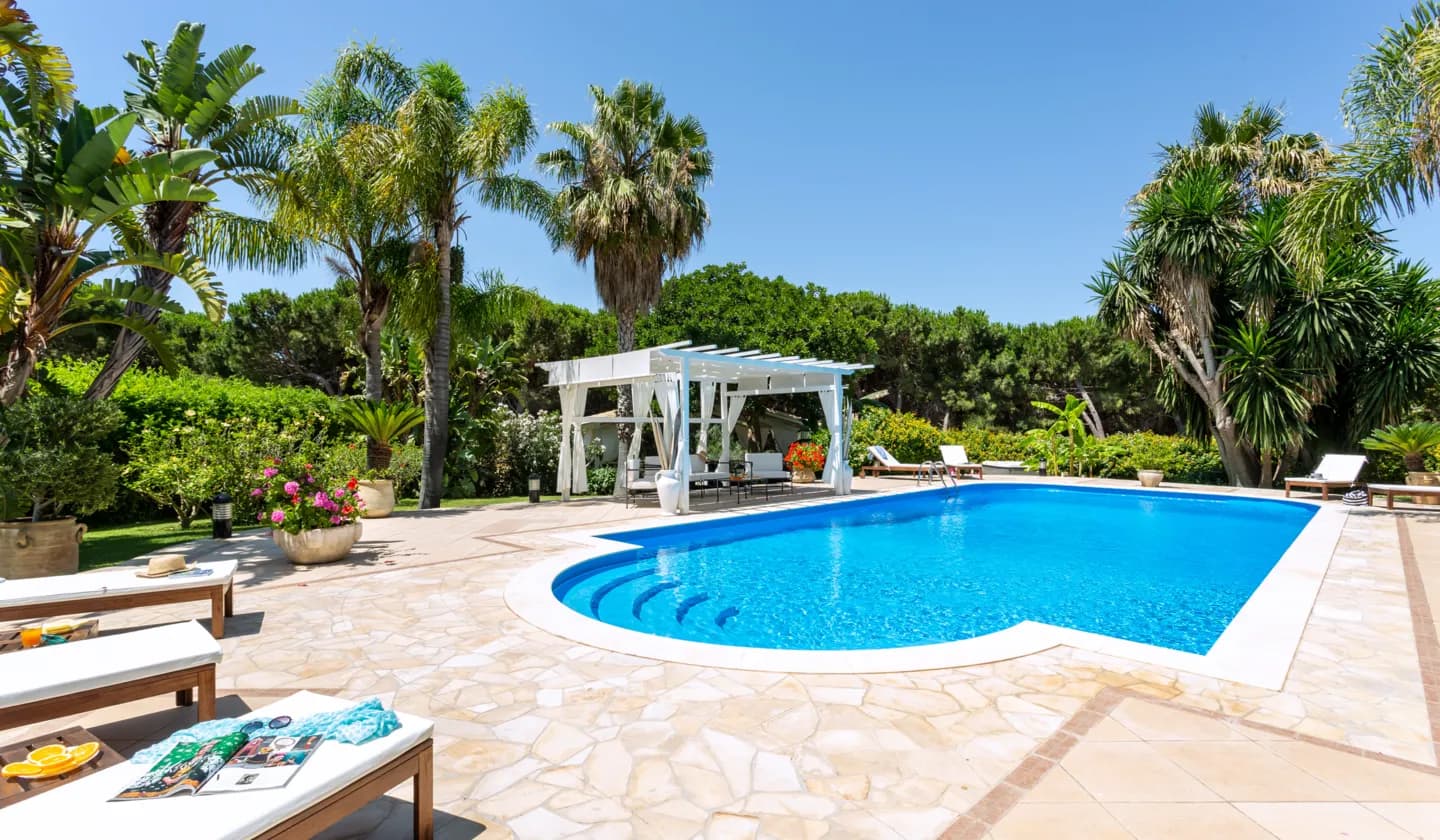
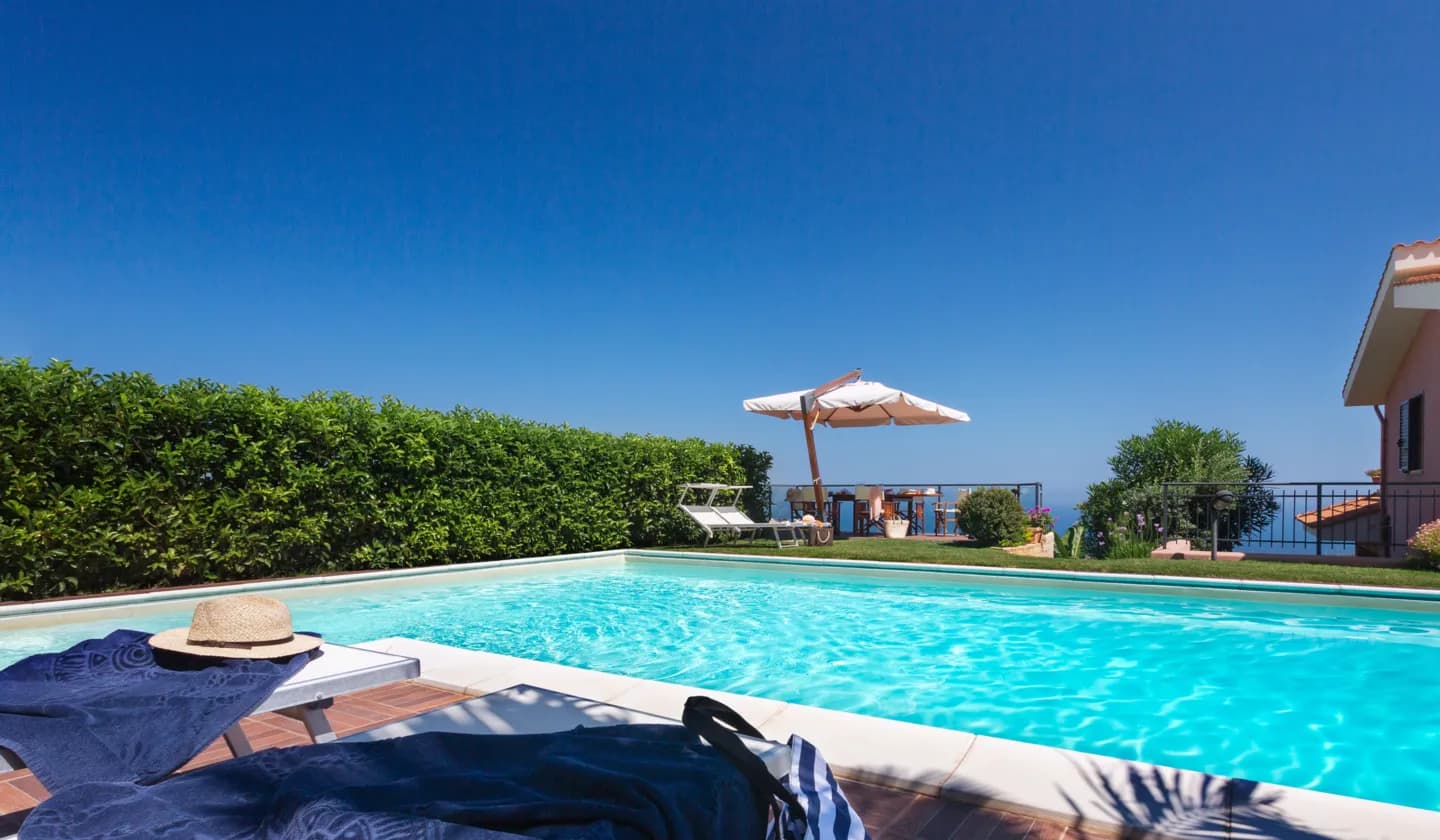
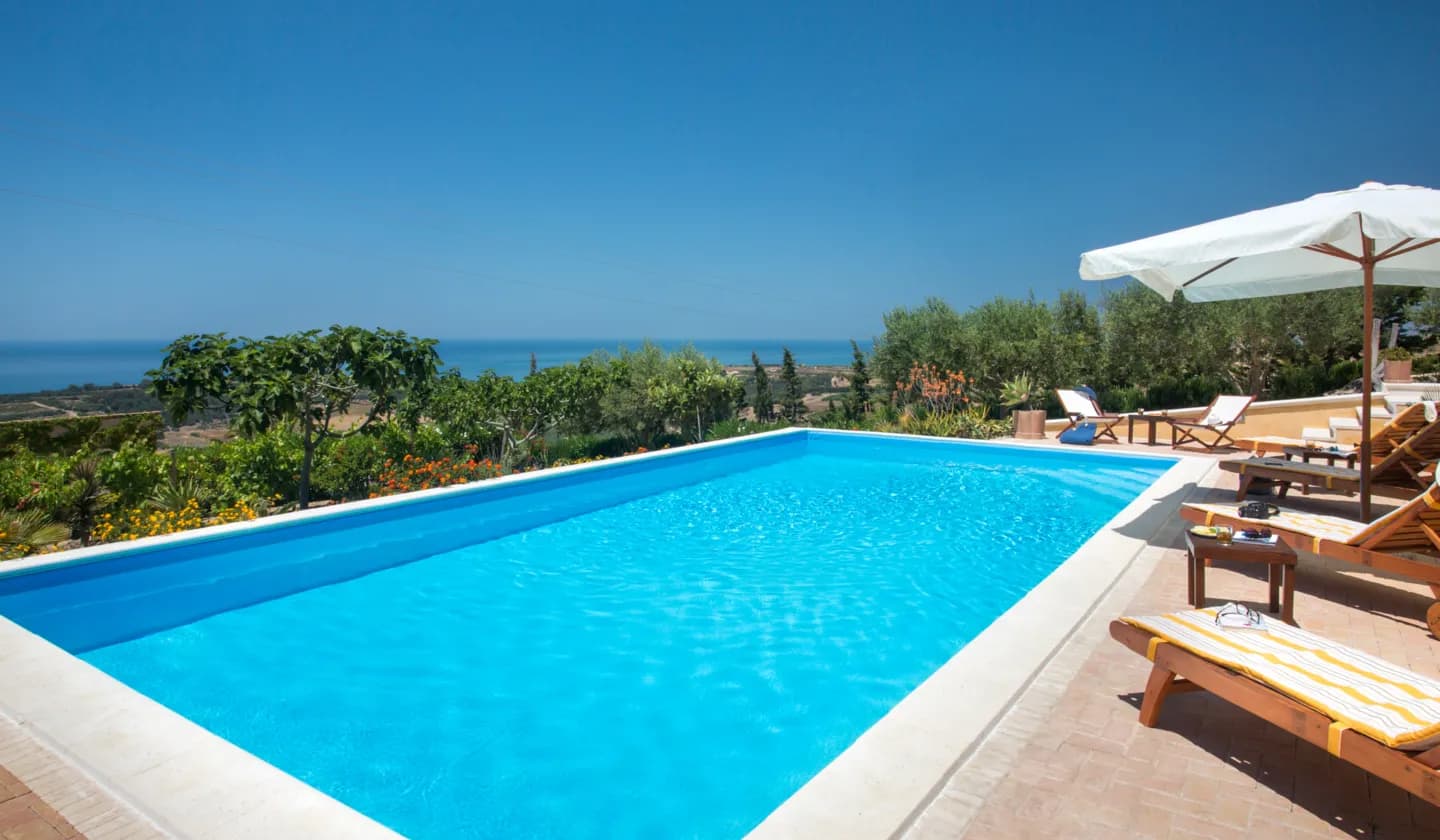
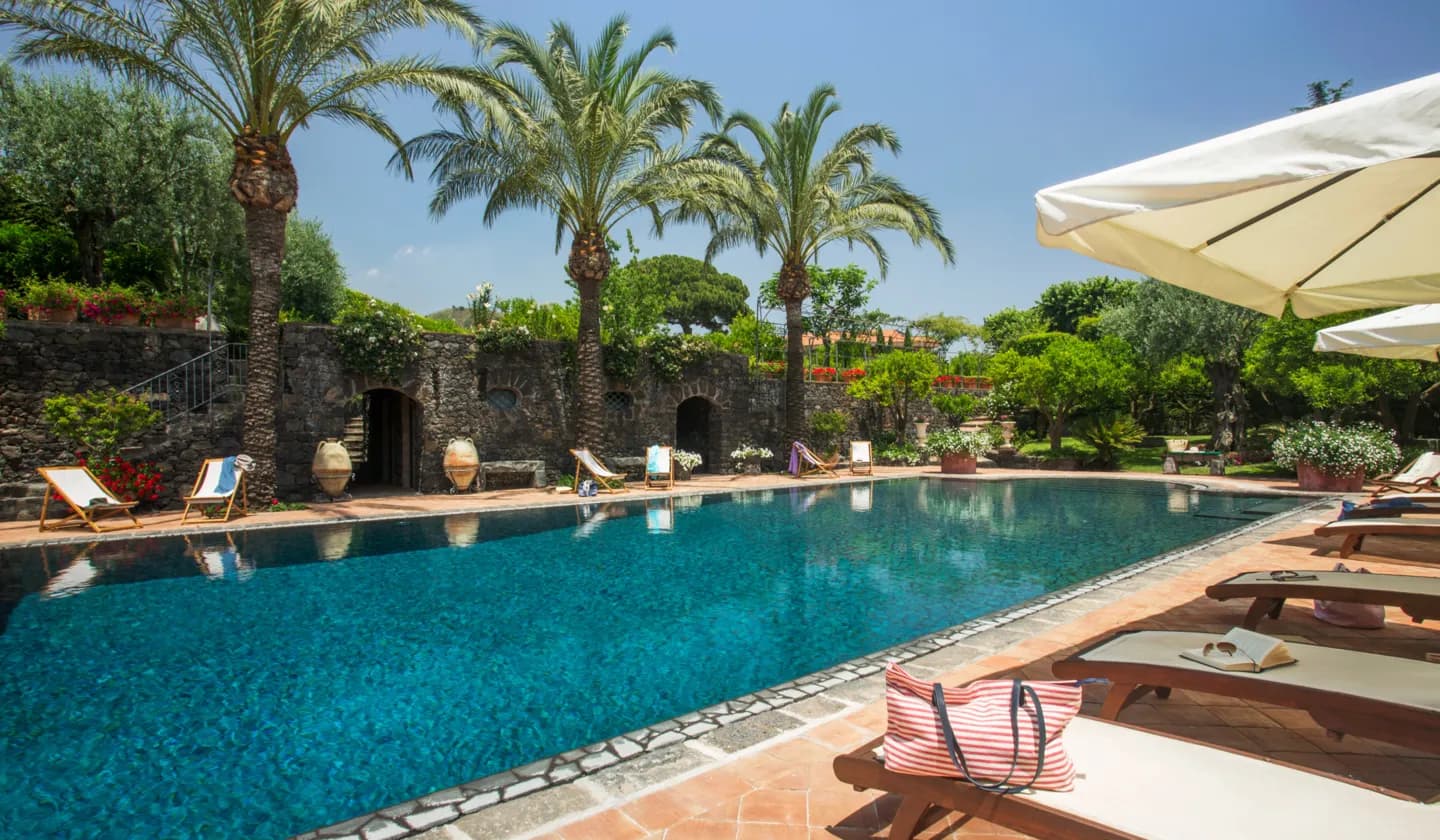
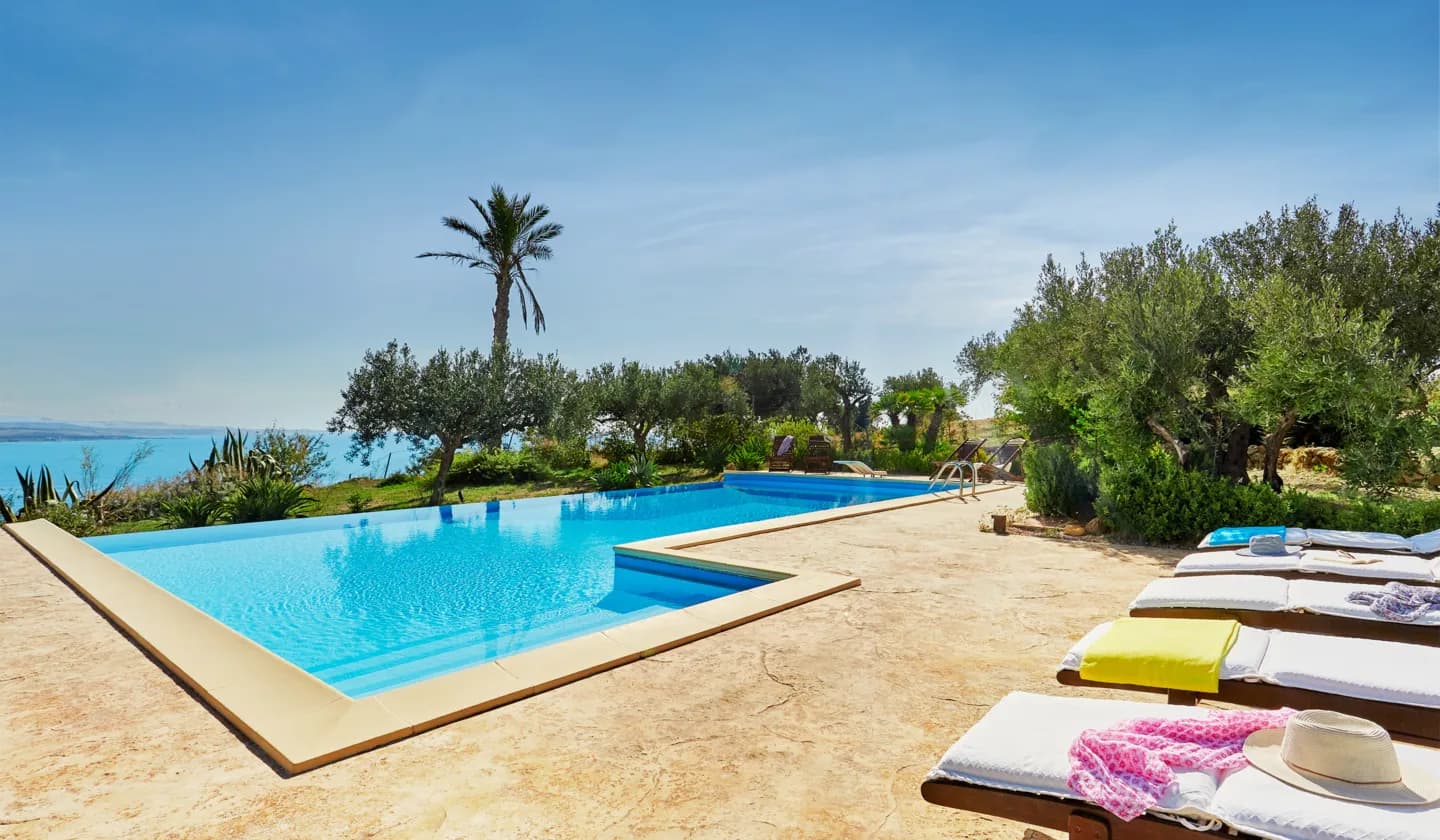
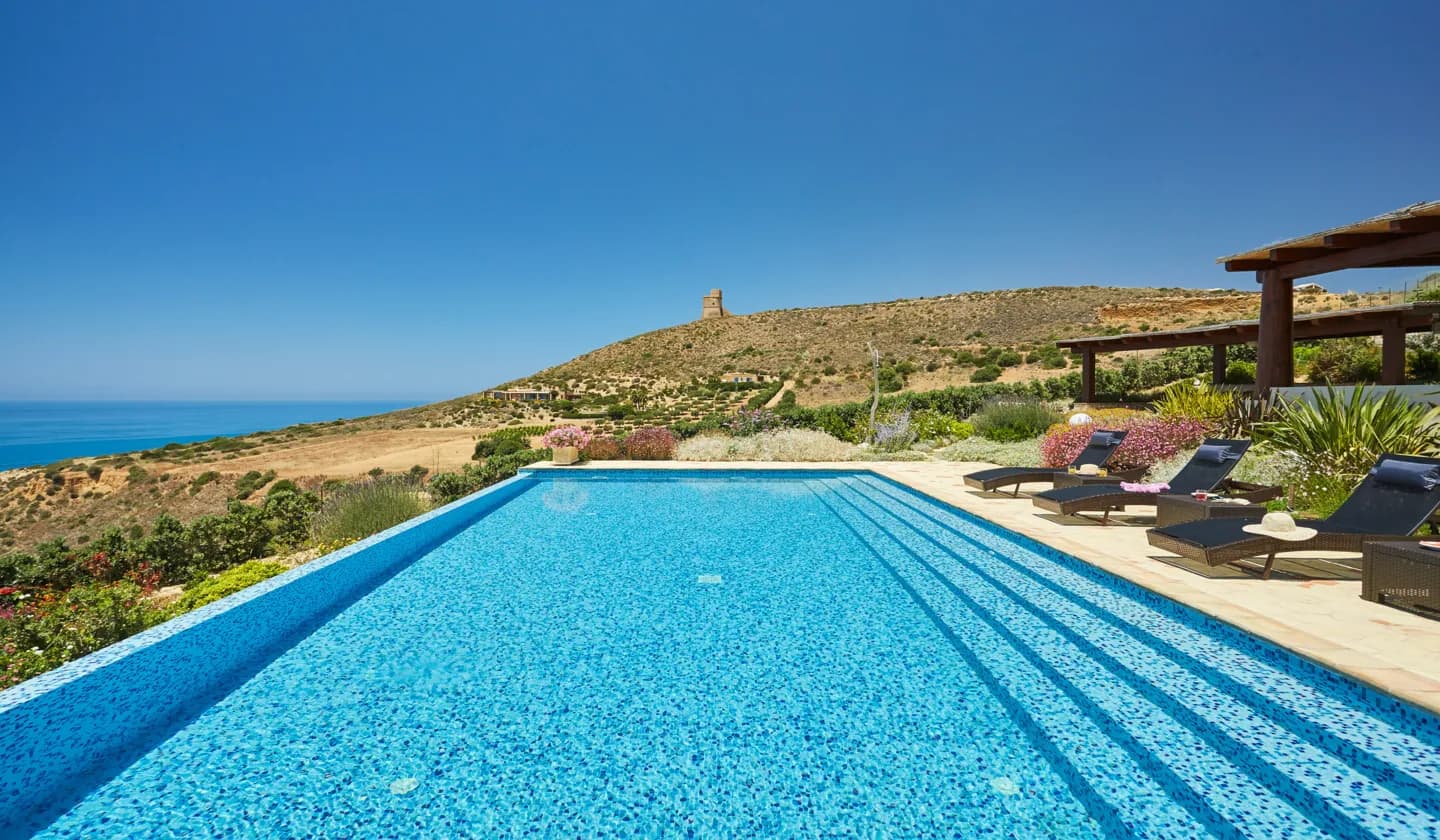
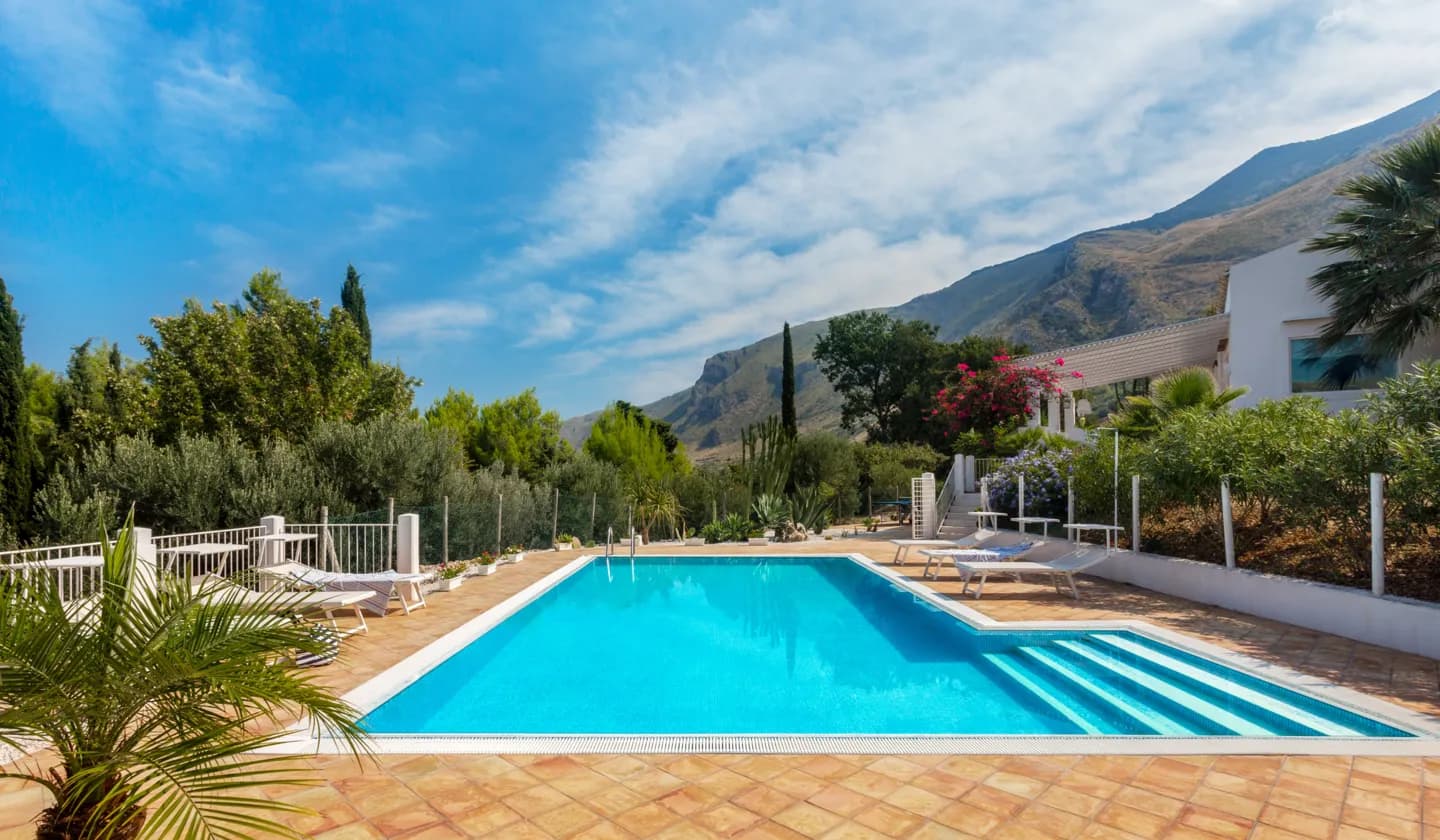
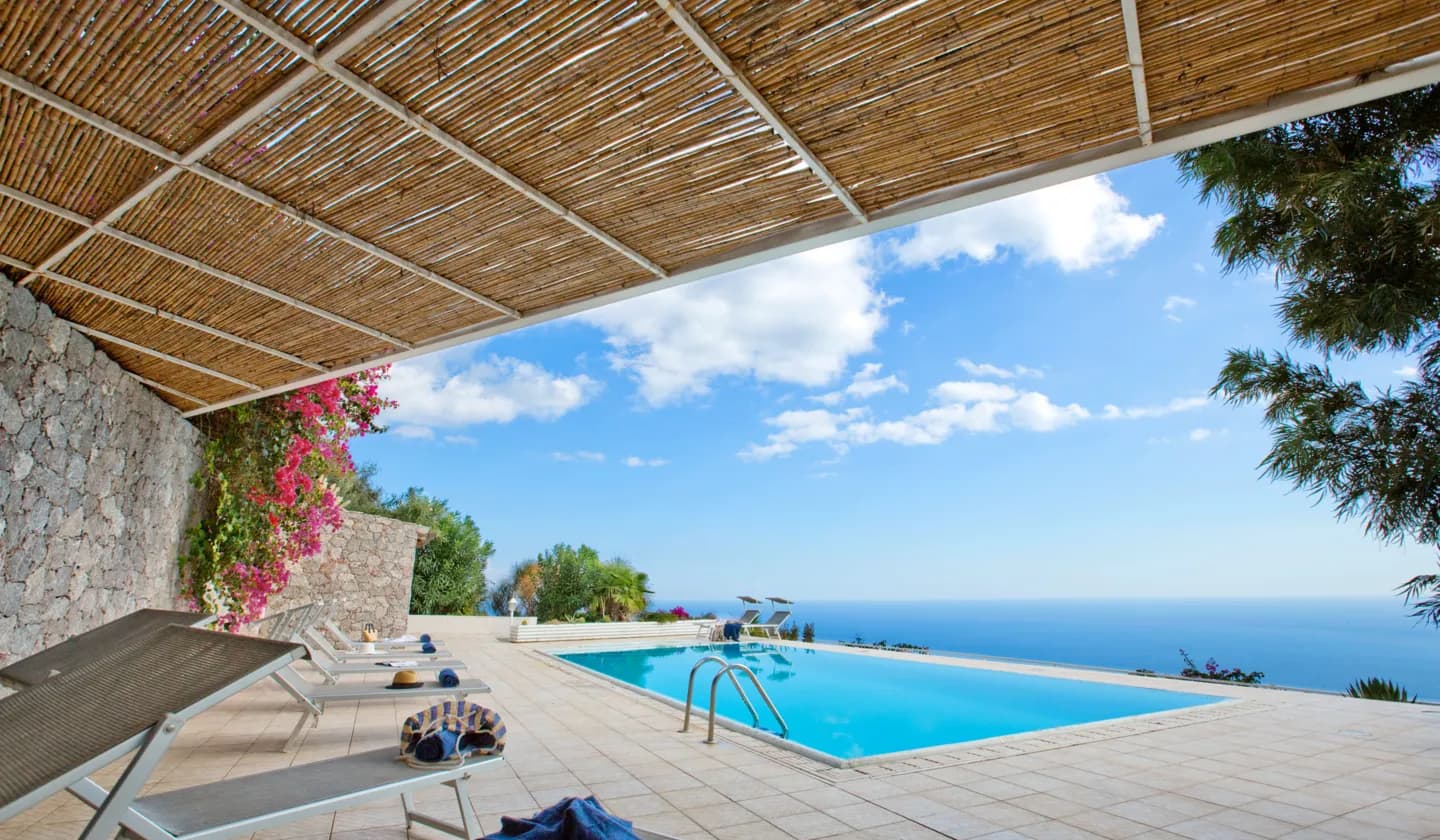
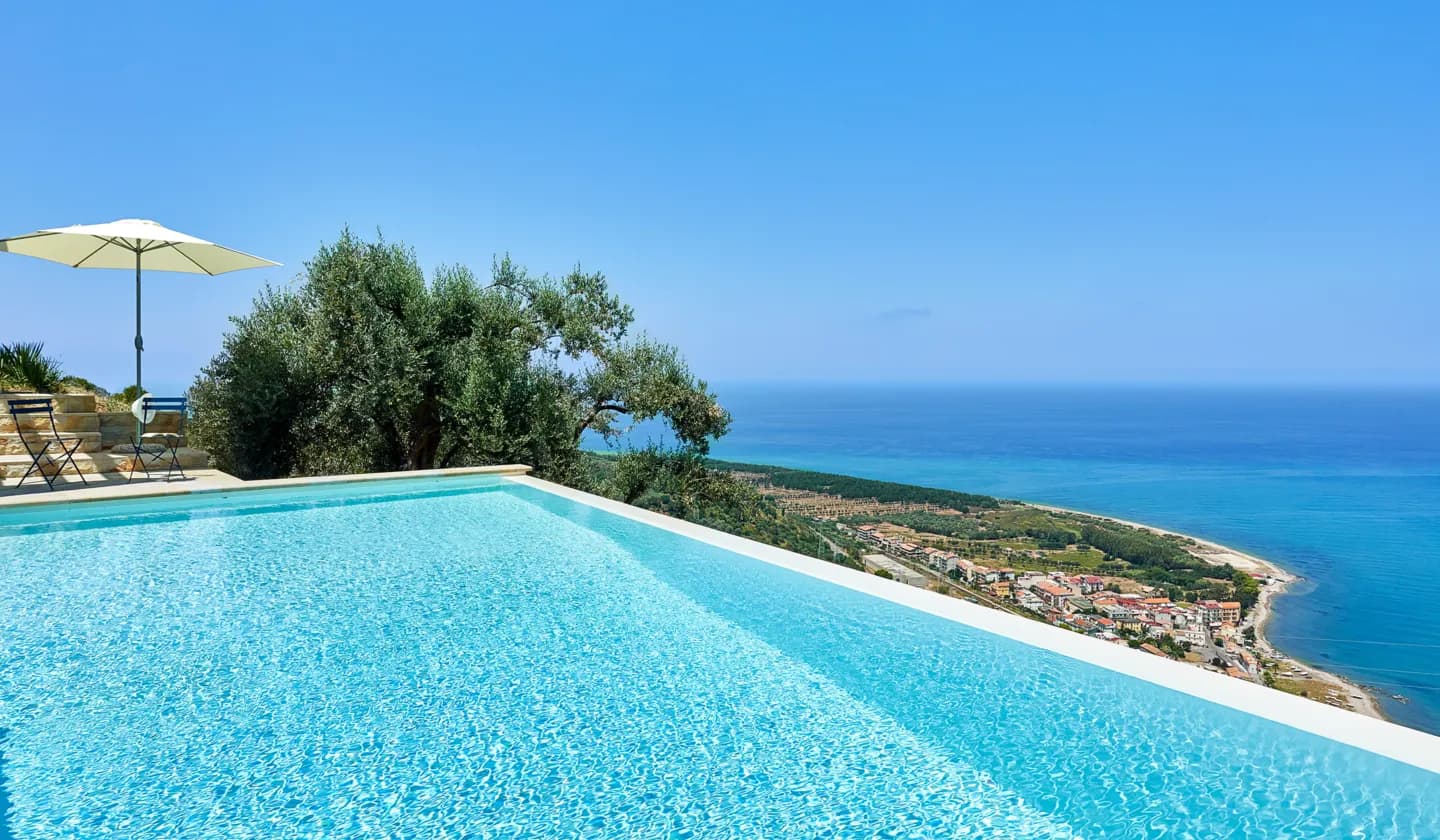
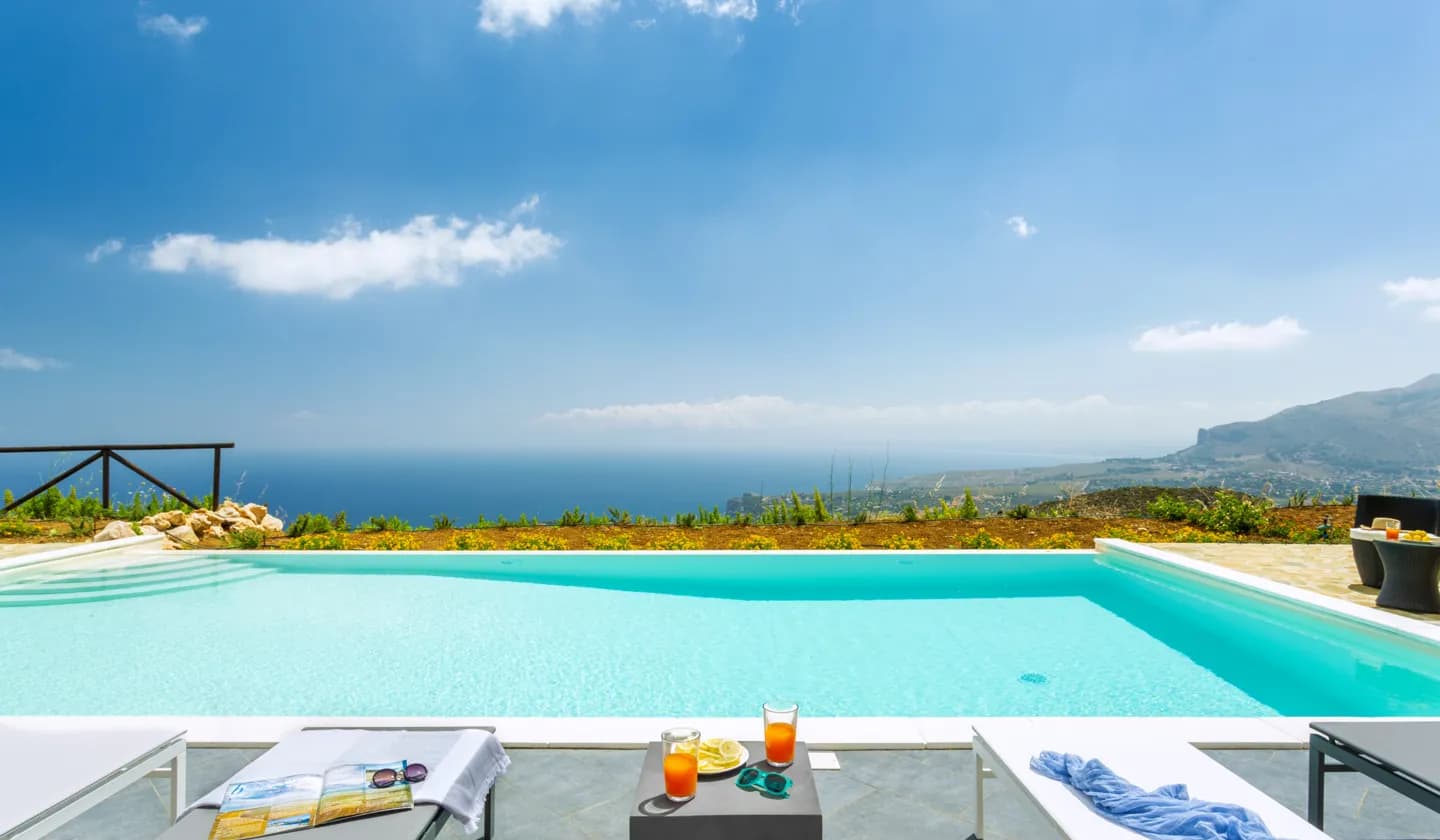
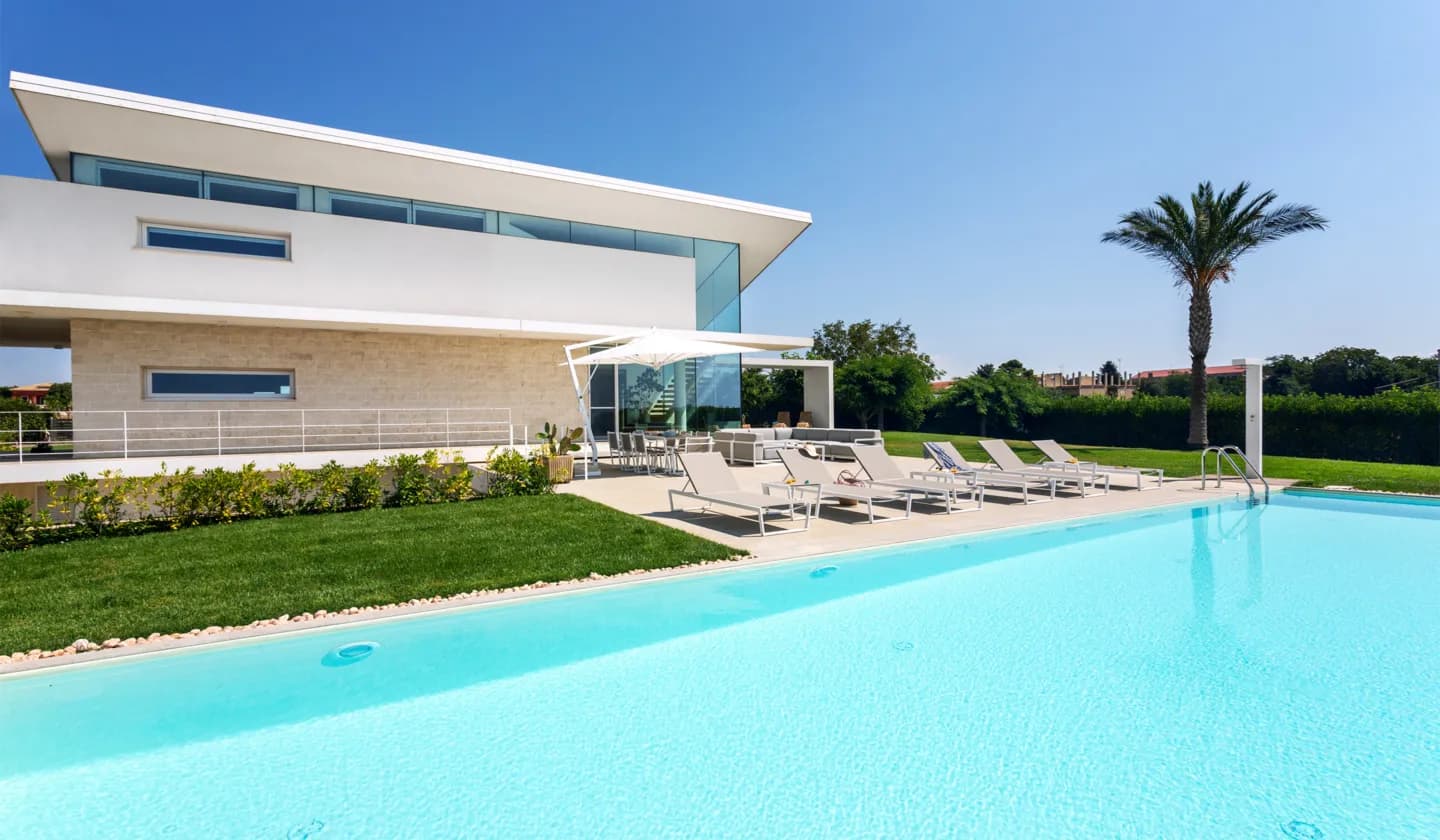
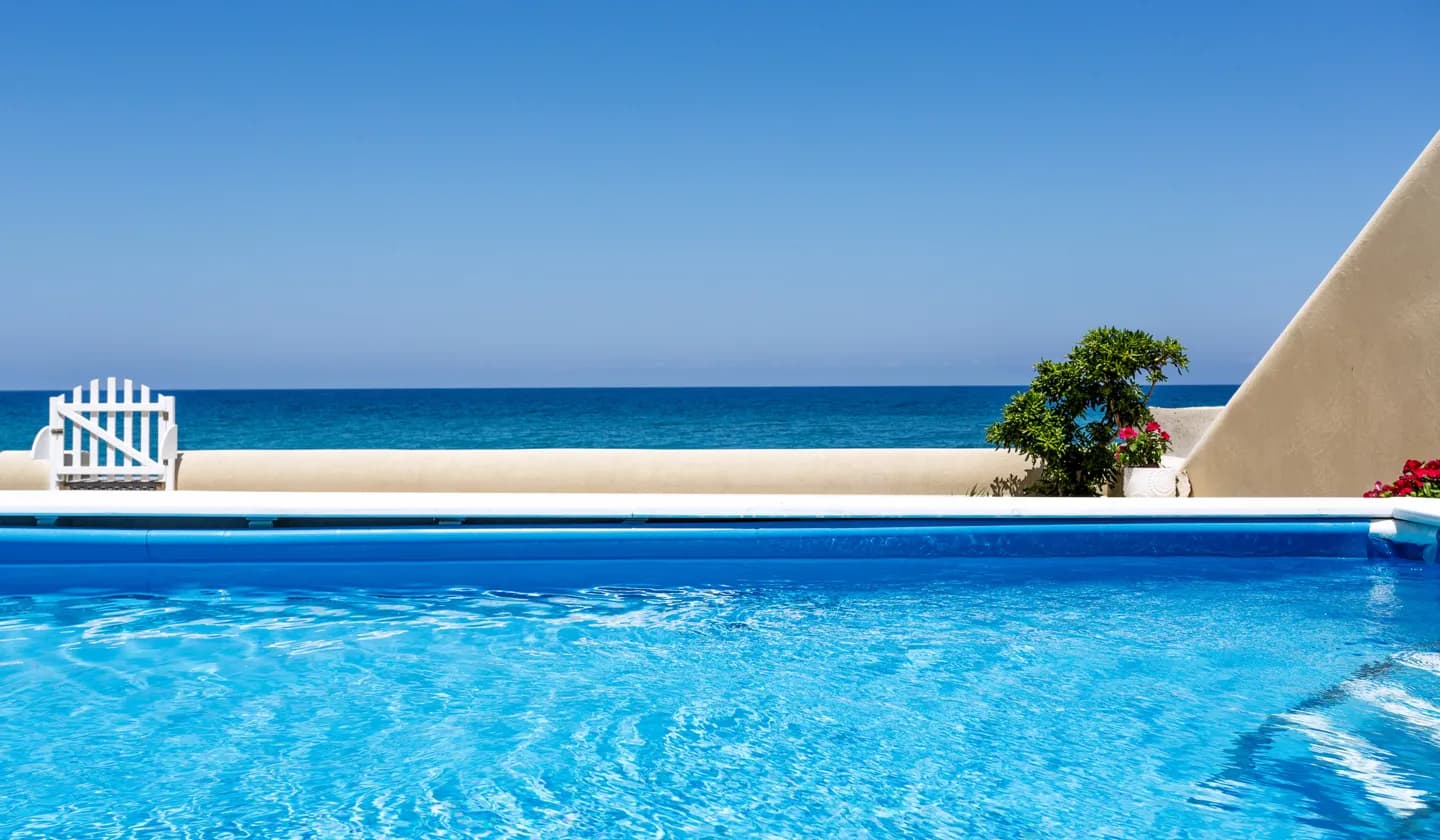
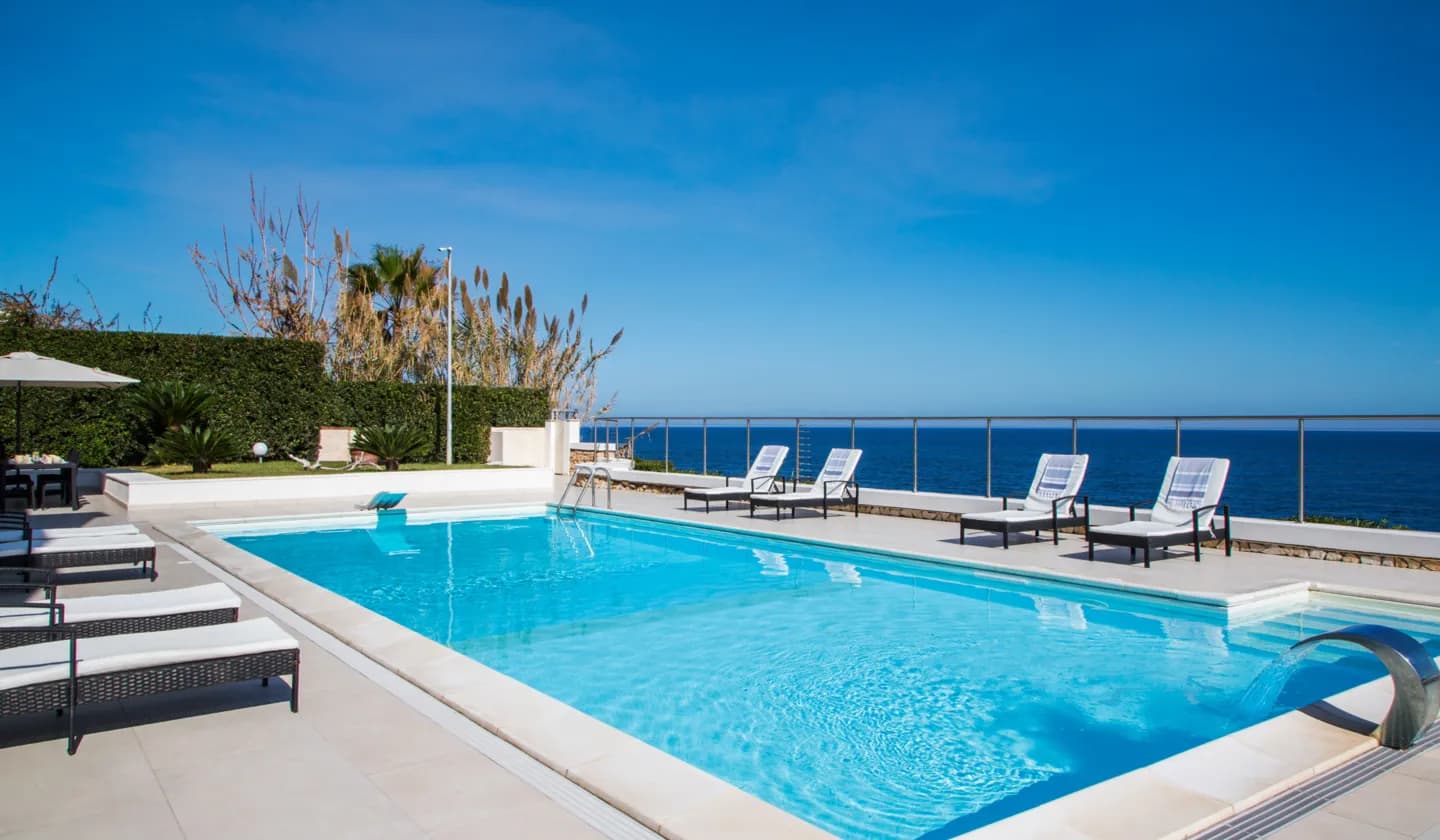
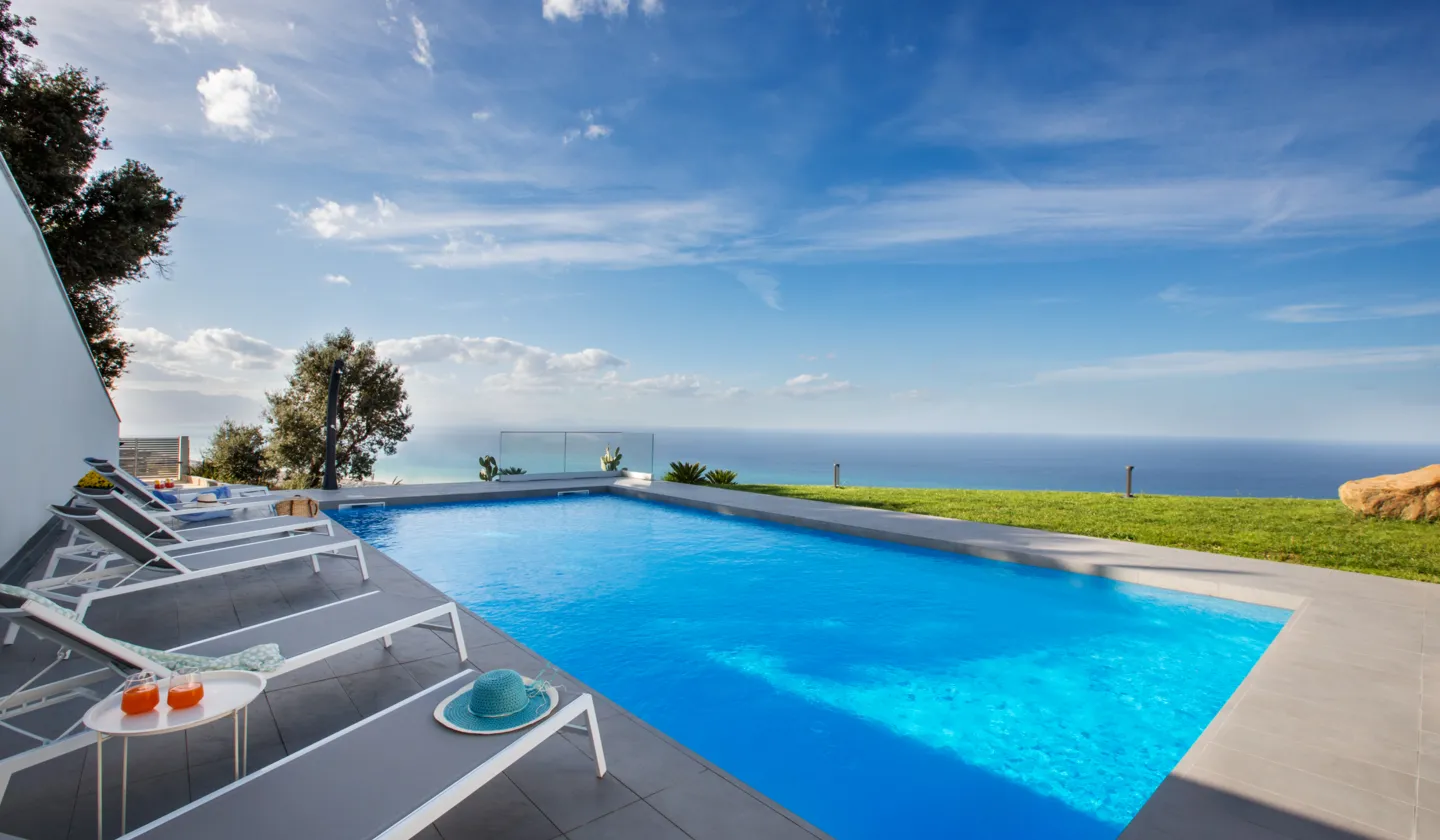
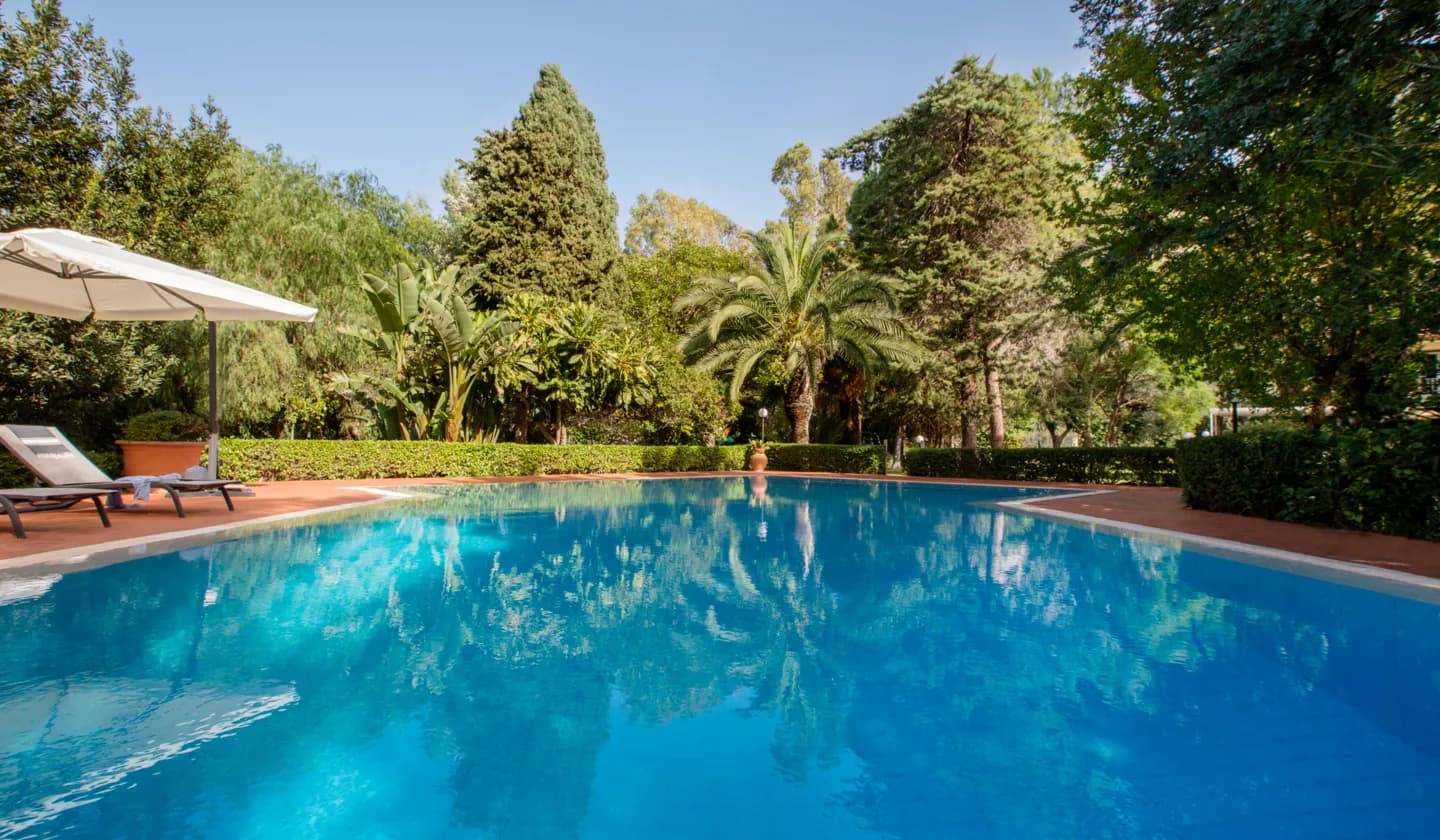
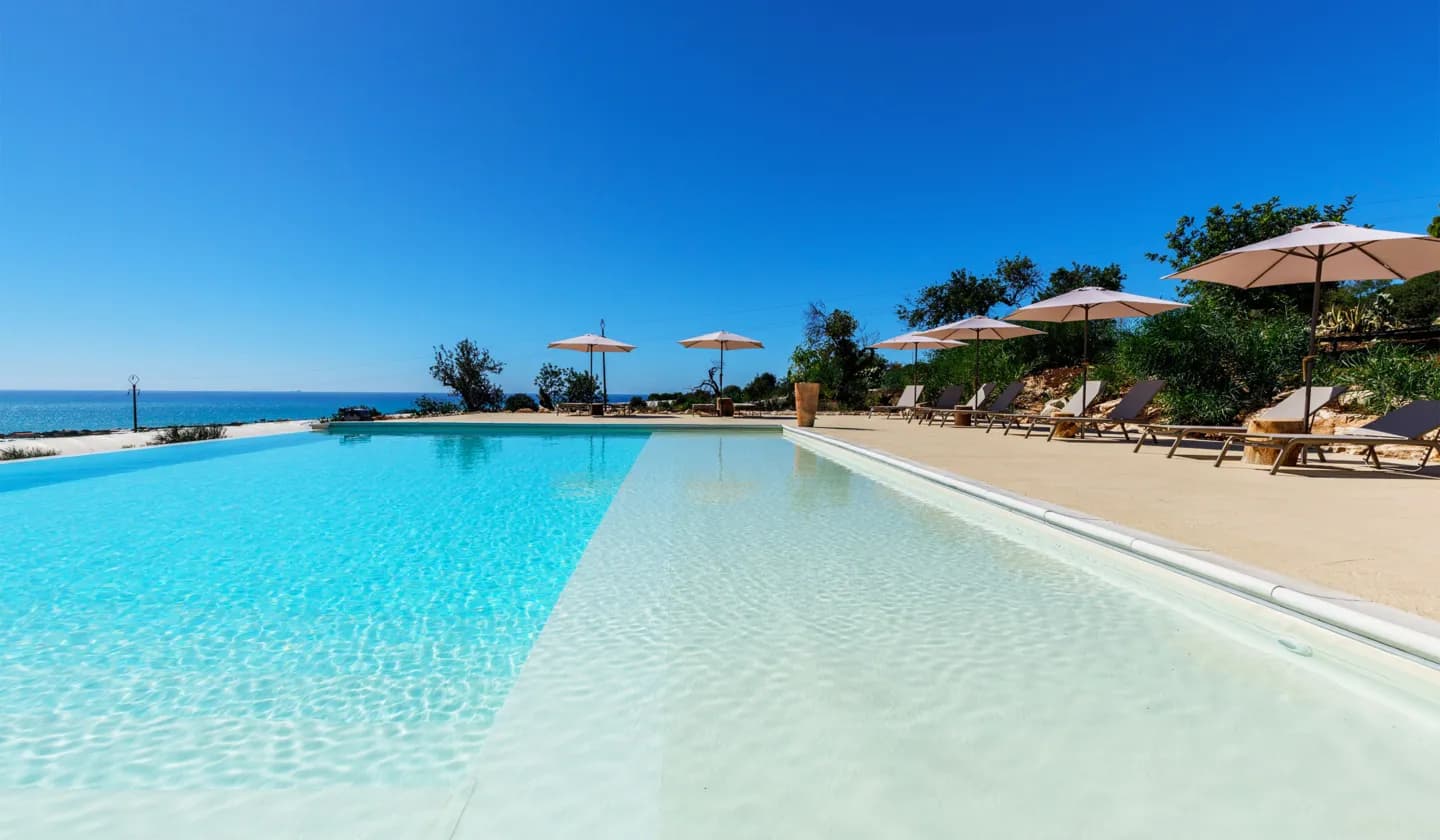
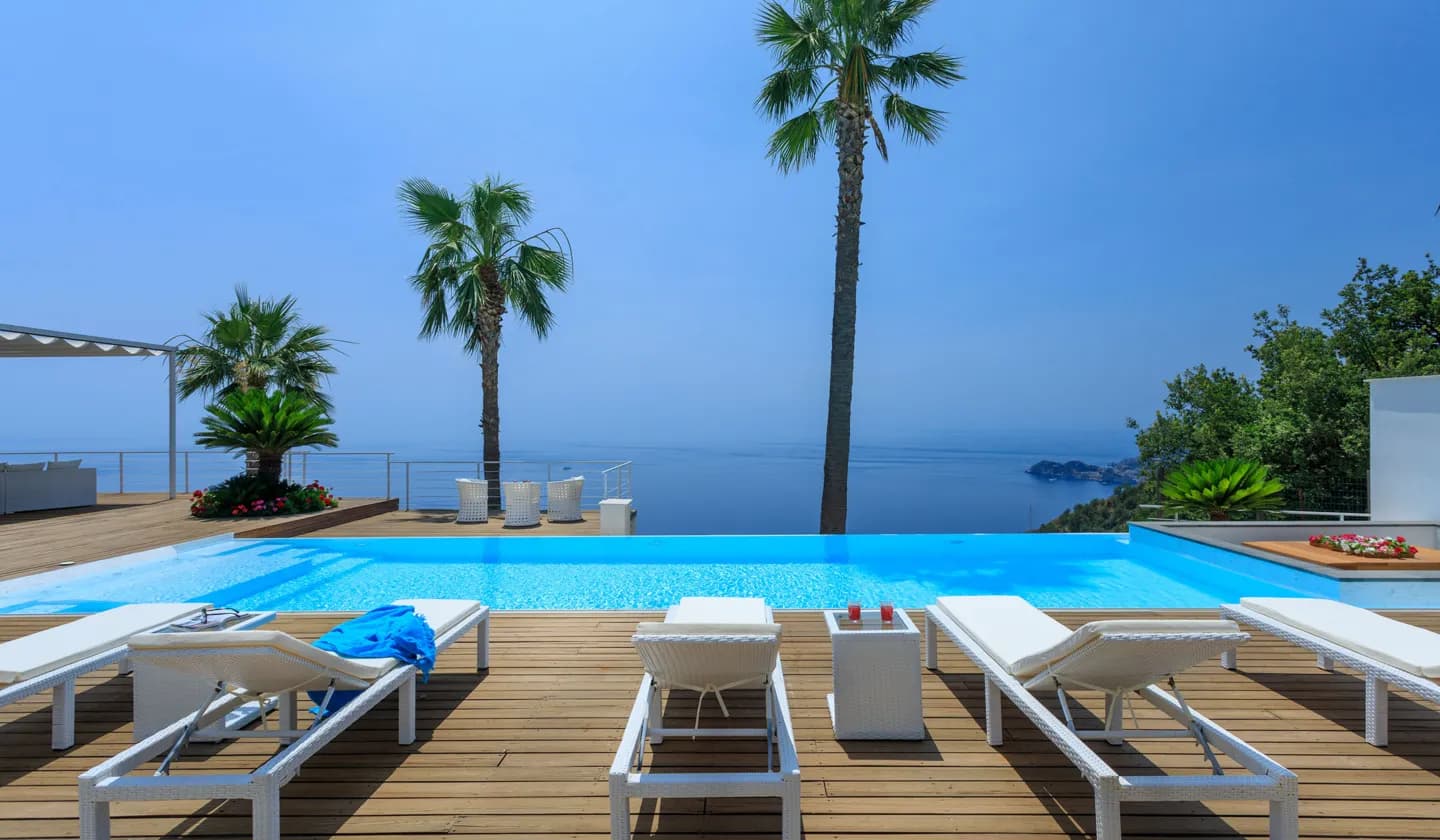
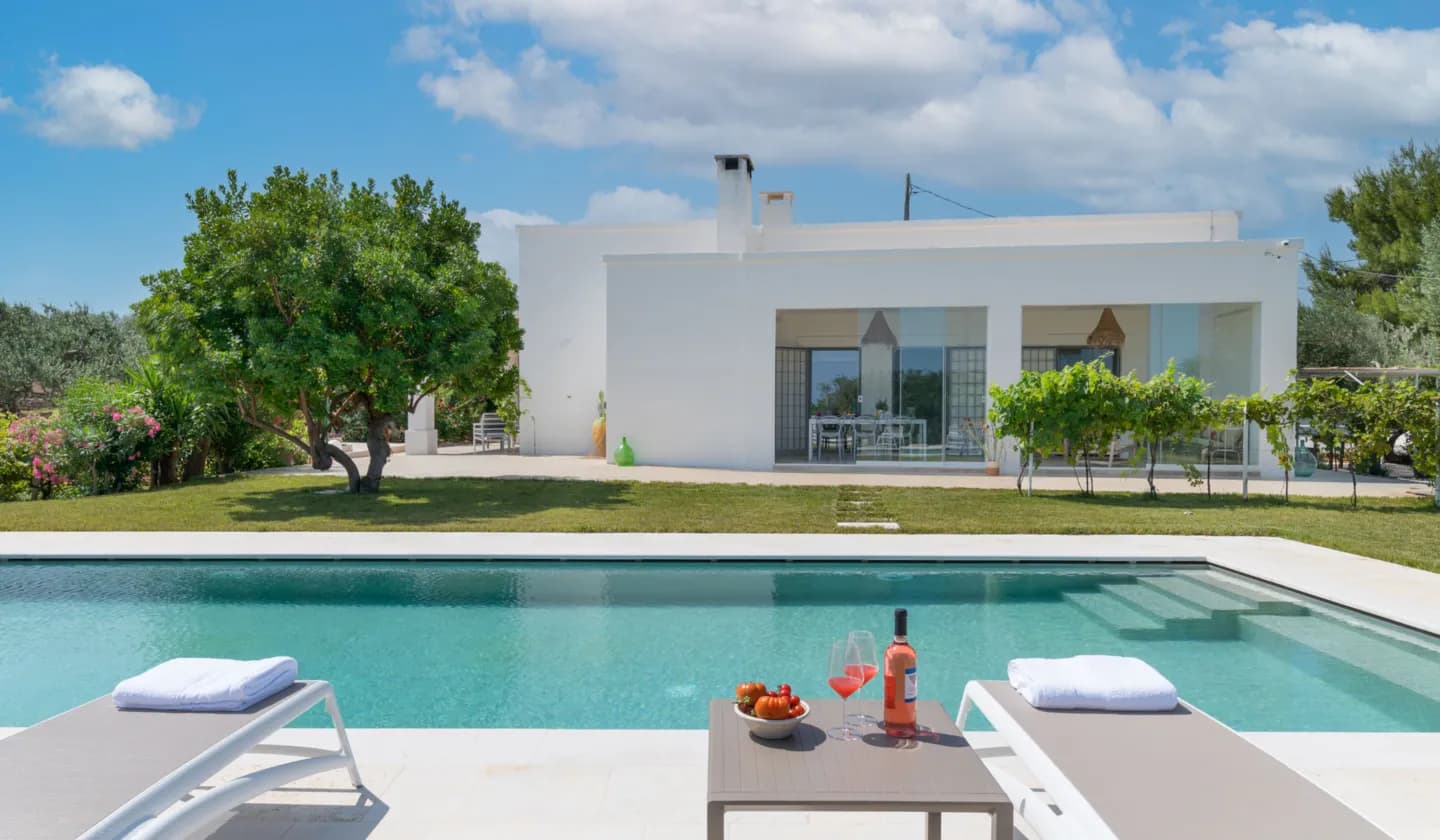
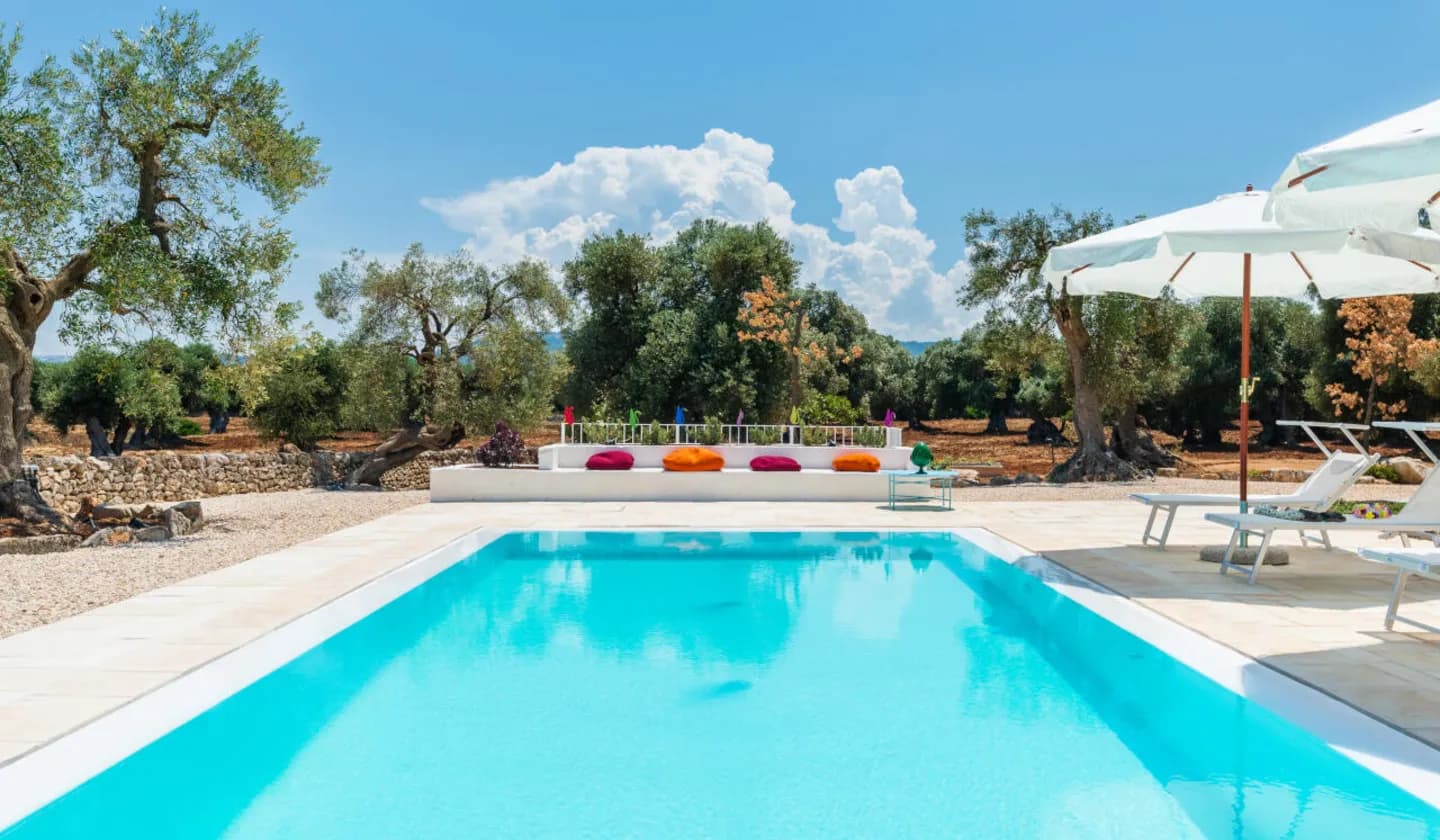
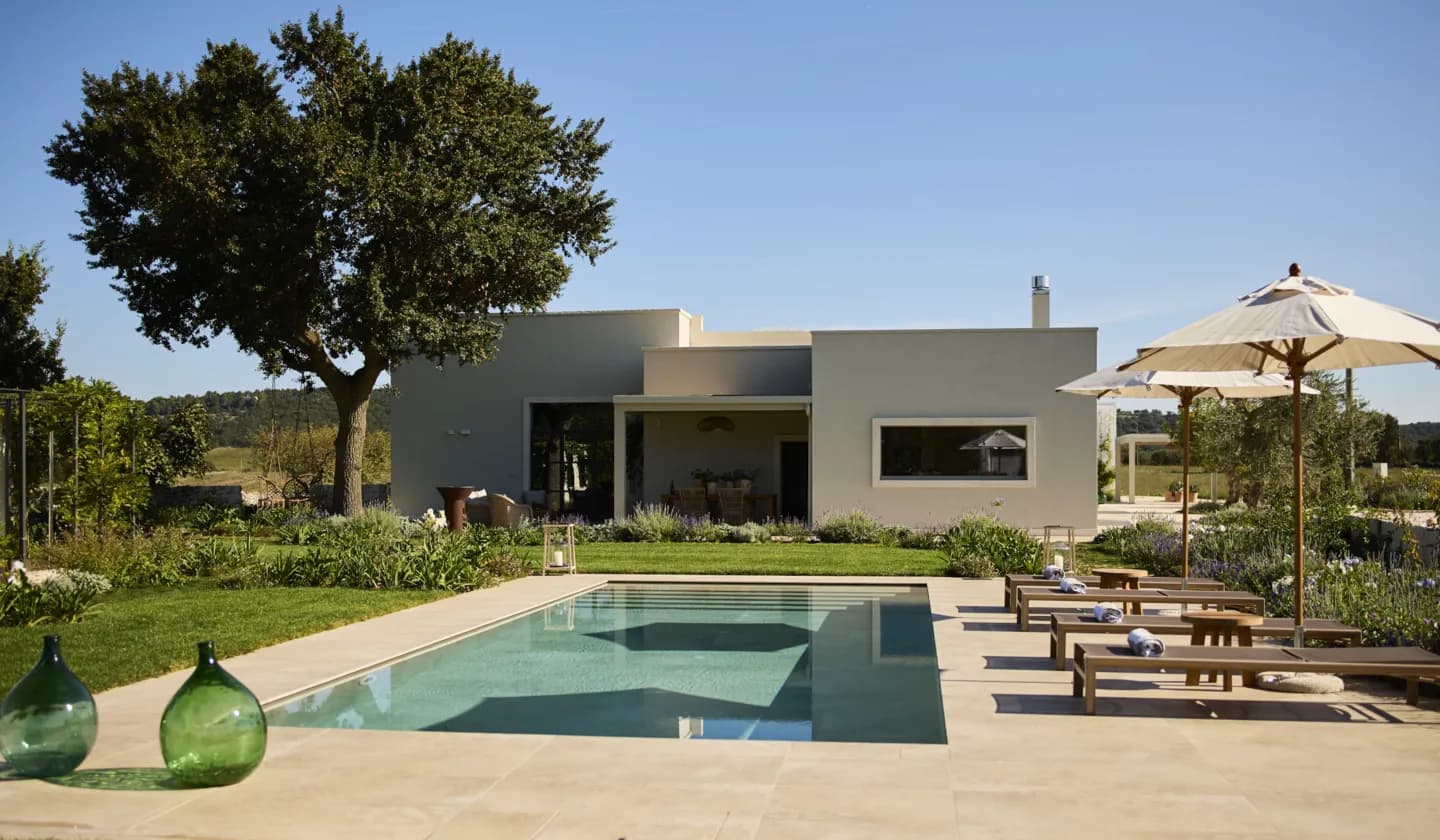
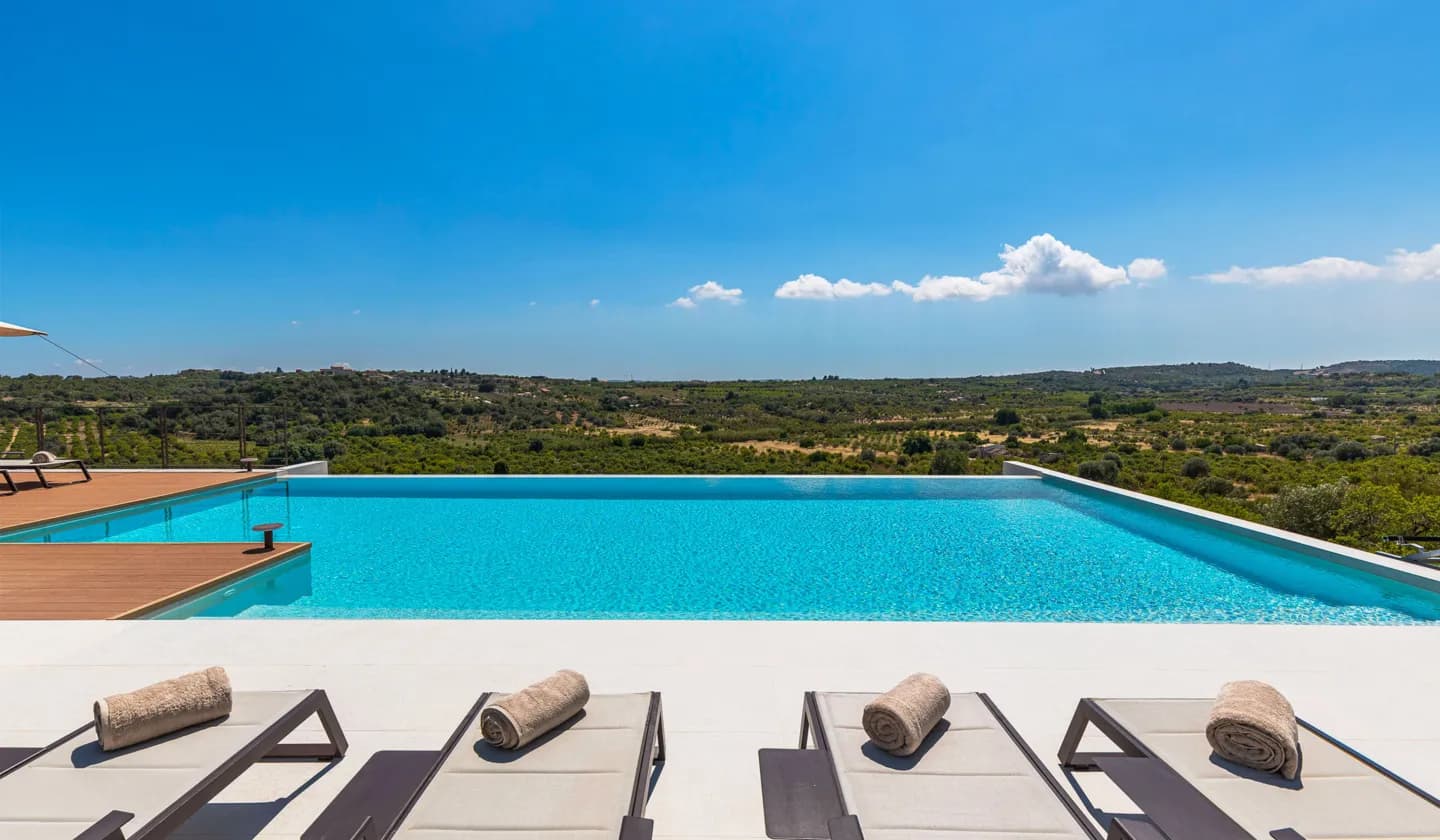
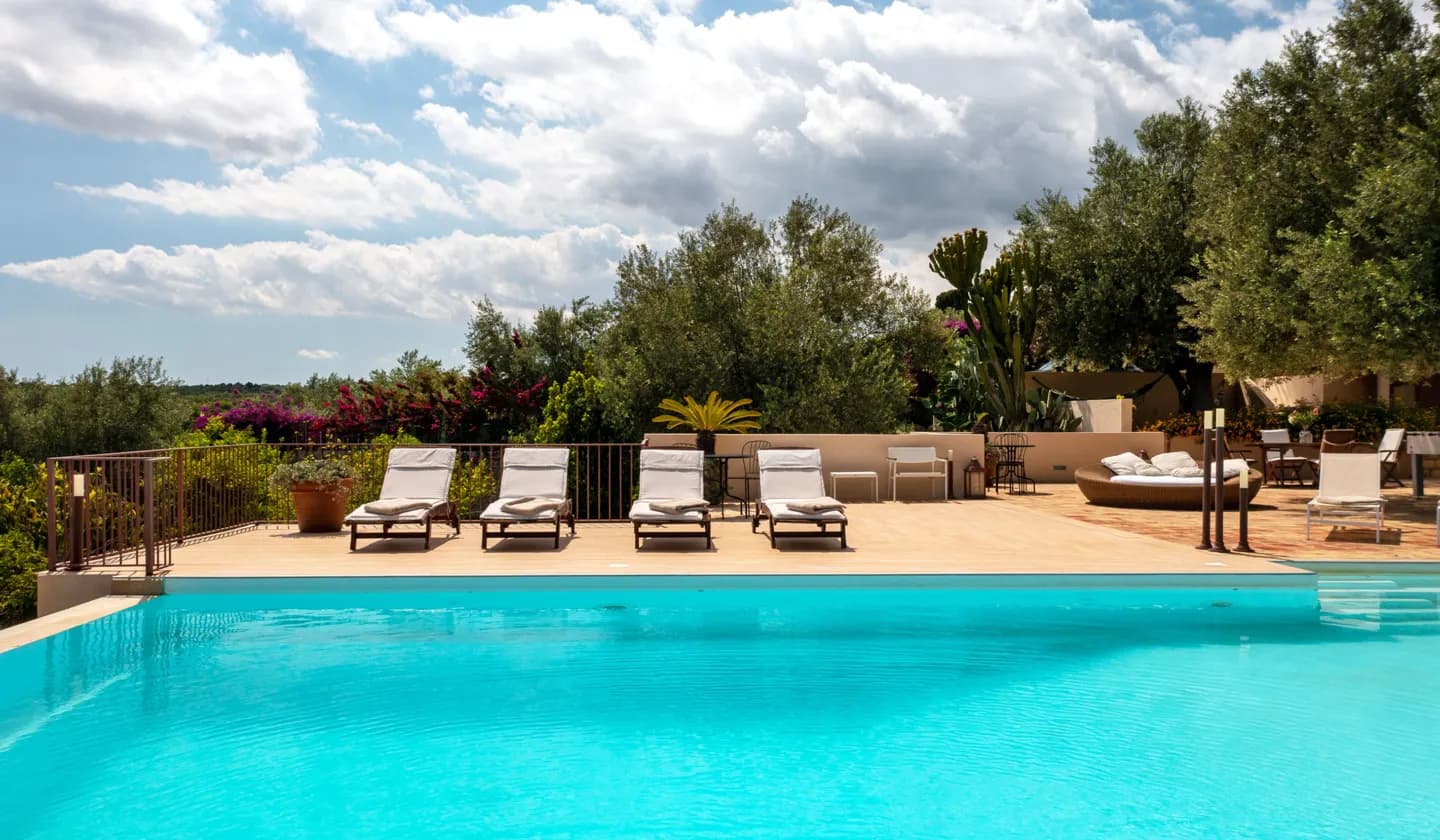
For those staying in a villa, the sea is often just one of the day’s options. Returning in the afternoon, enjoying the quiet of the countryside or relaxing by a private pool becomes an integral part of the experience. Villas in Sicily with a swimming pool are particularly appreciated.
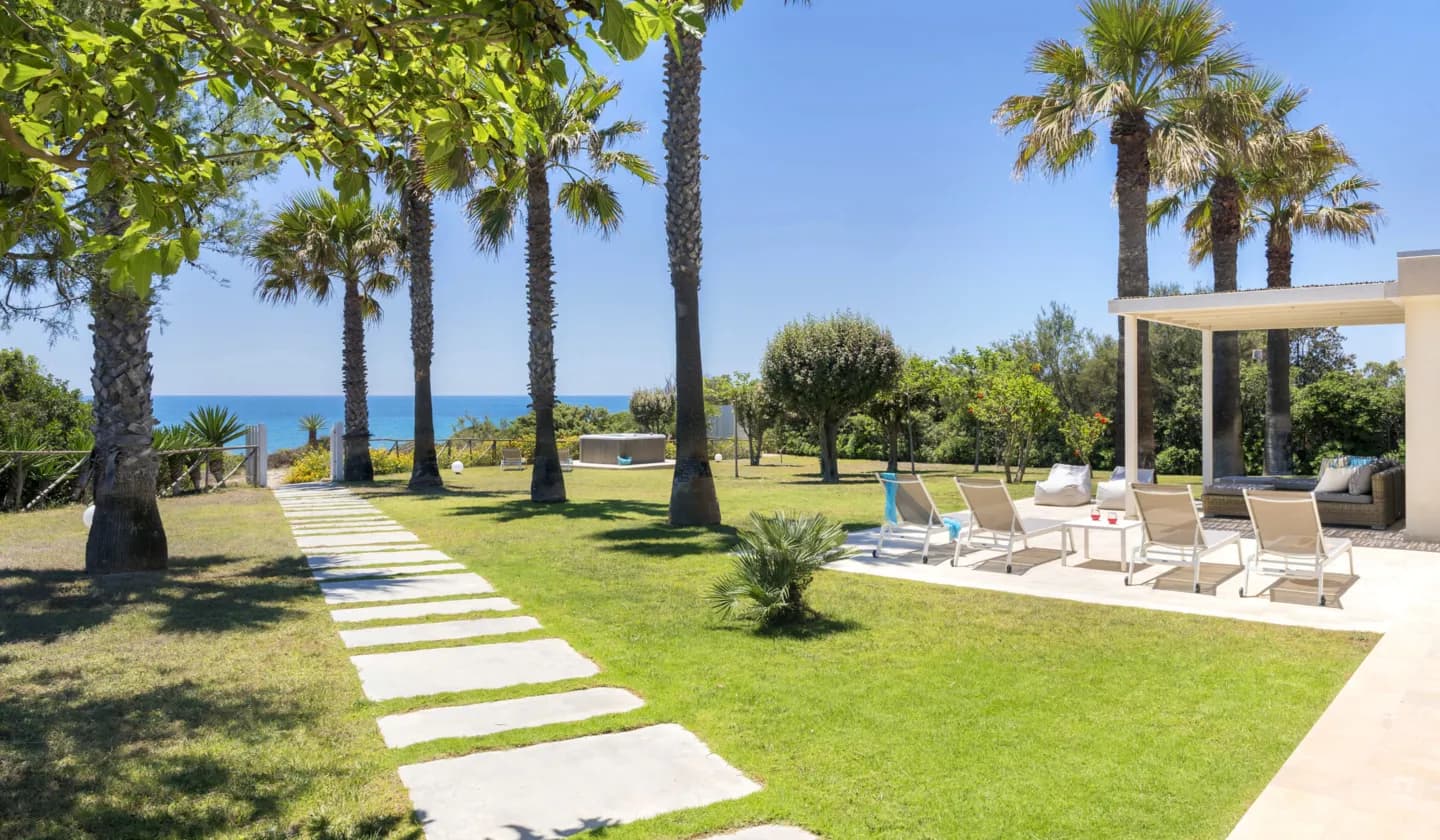
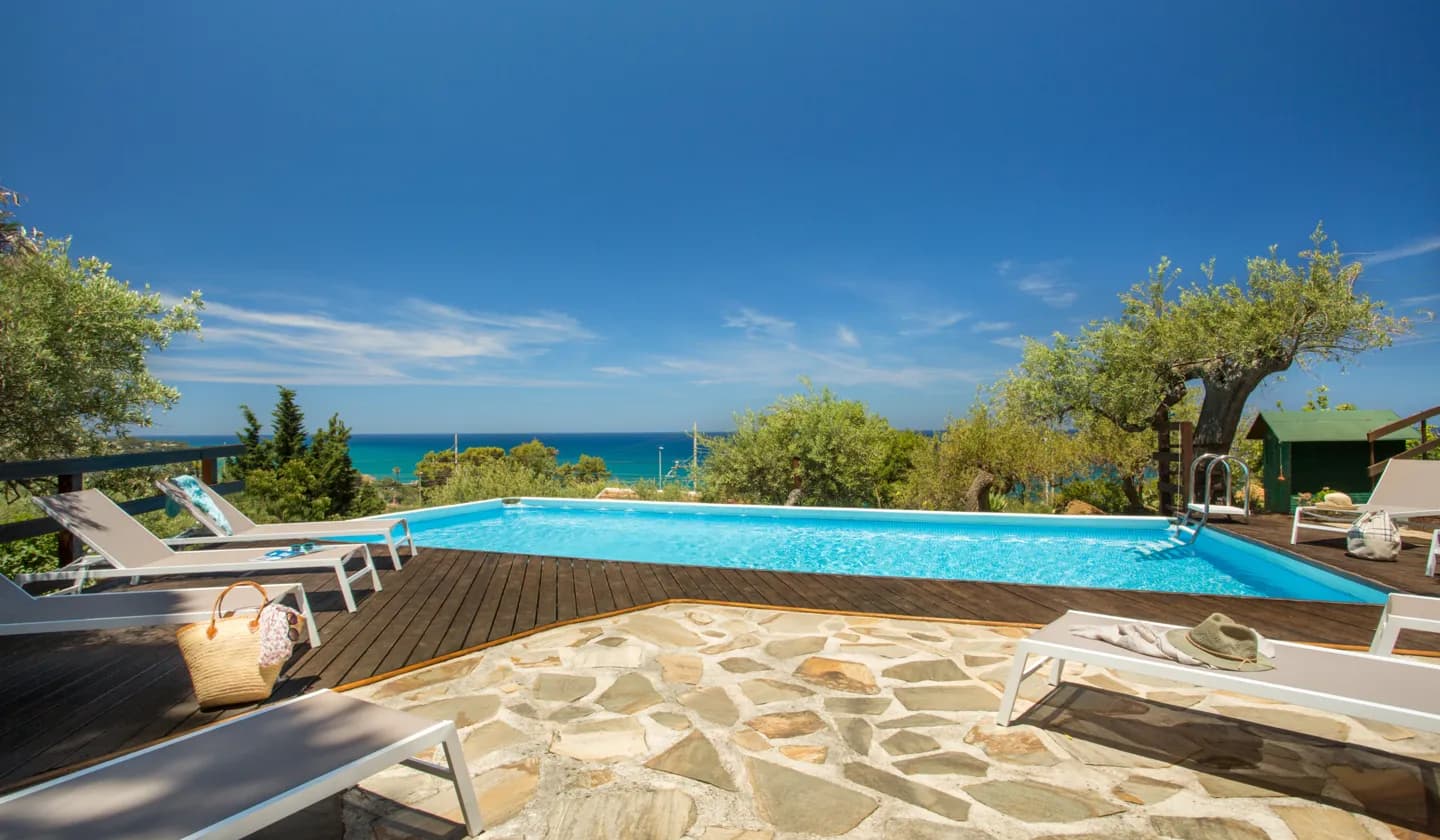
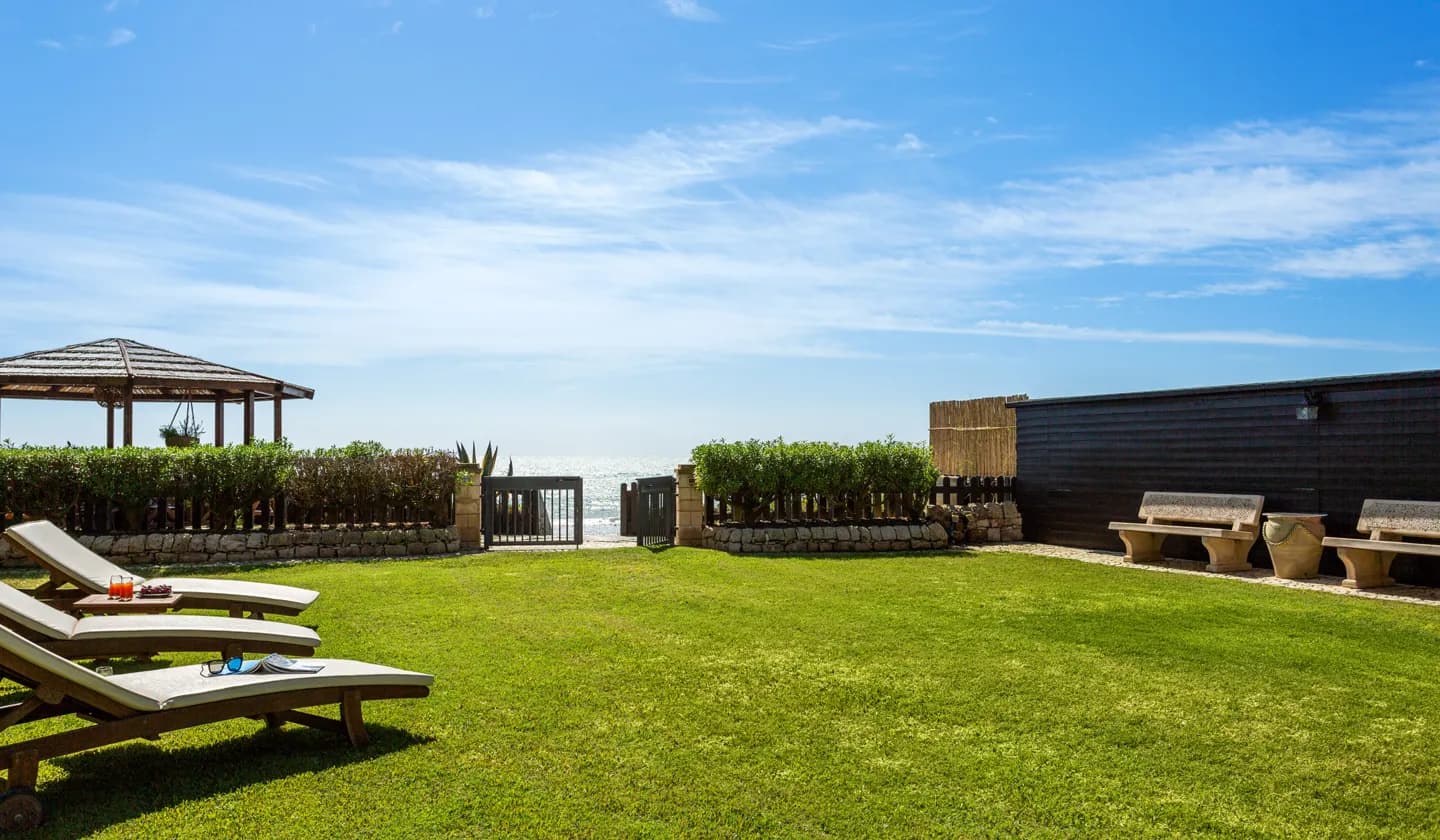
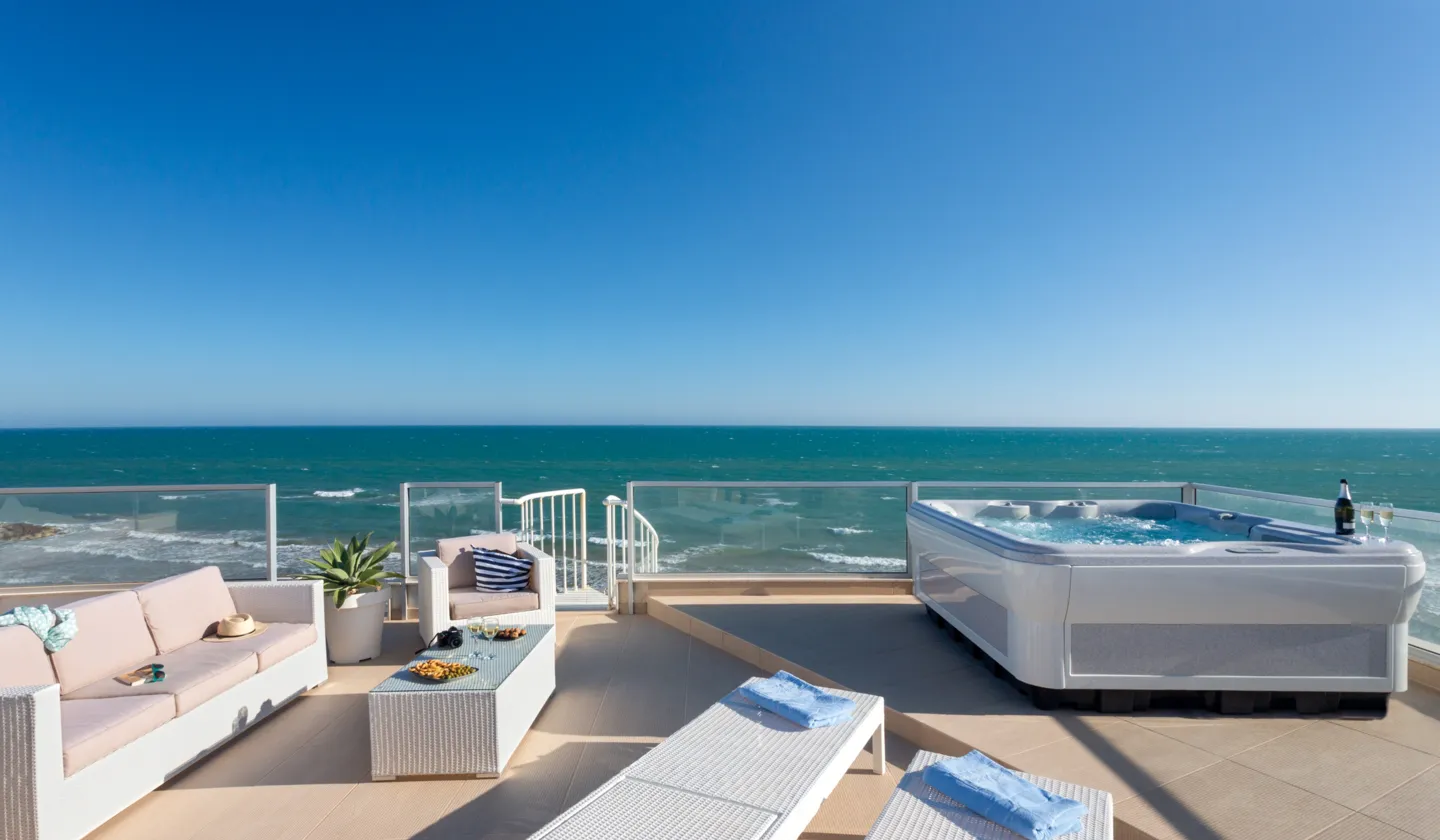
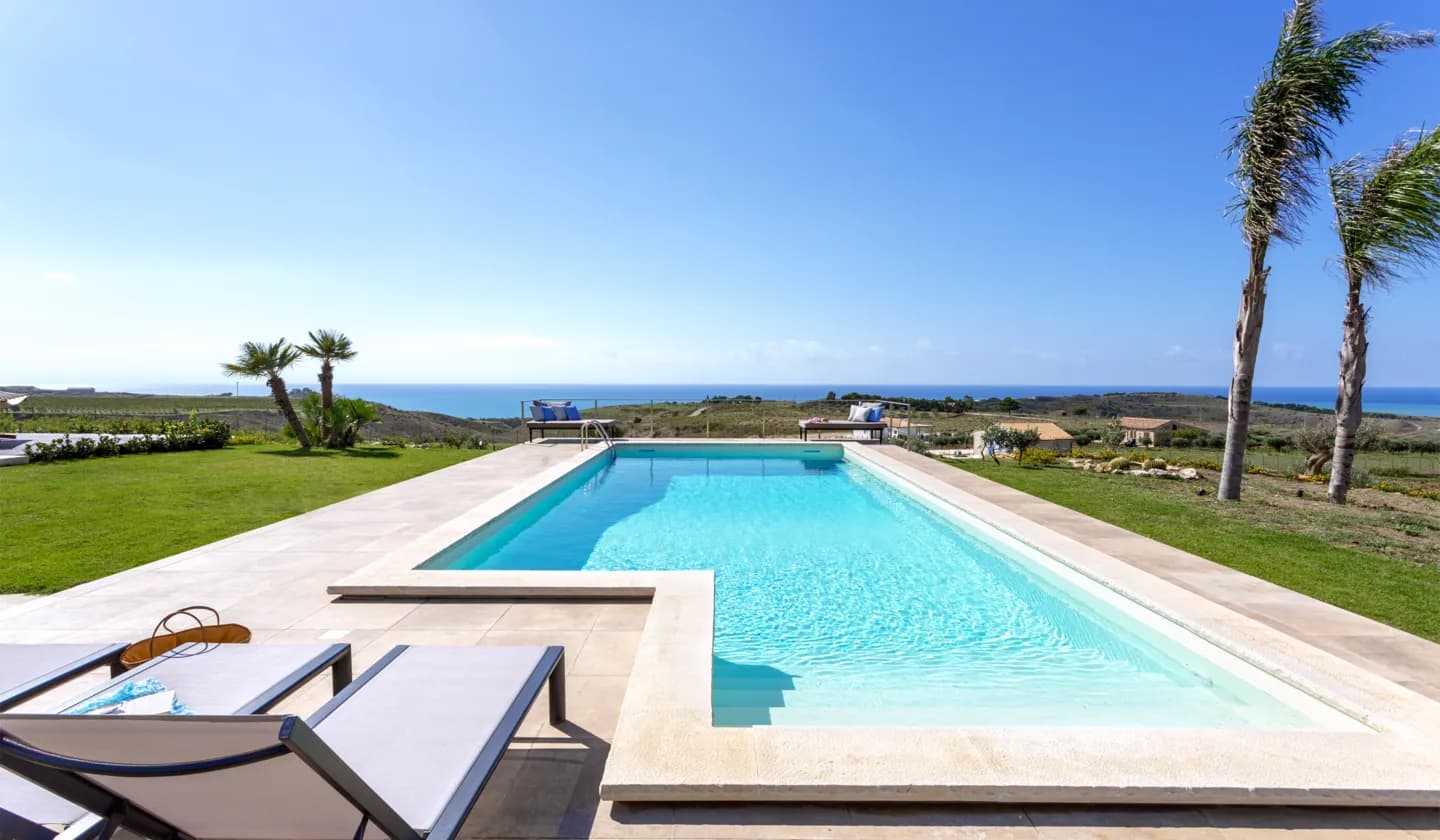
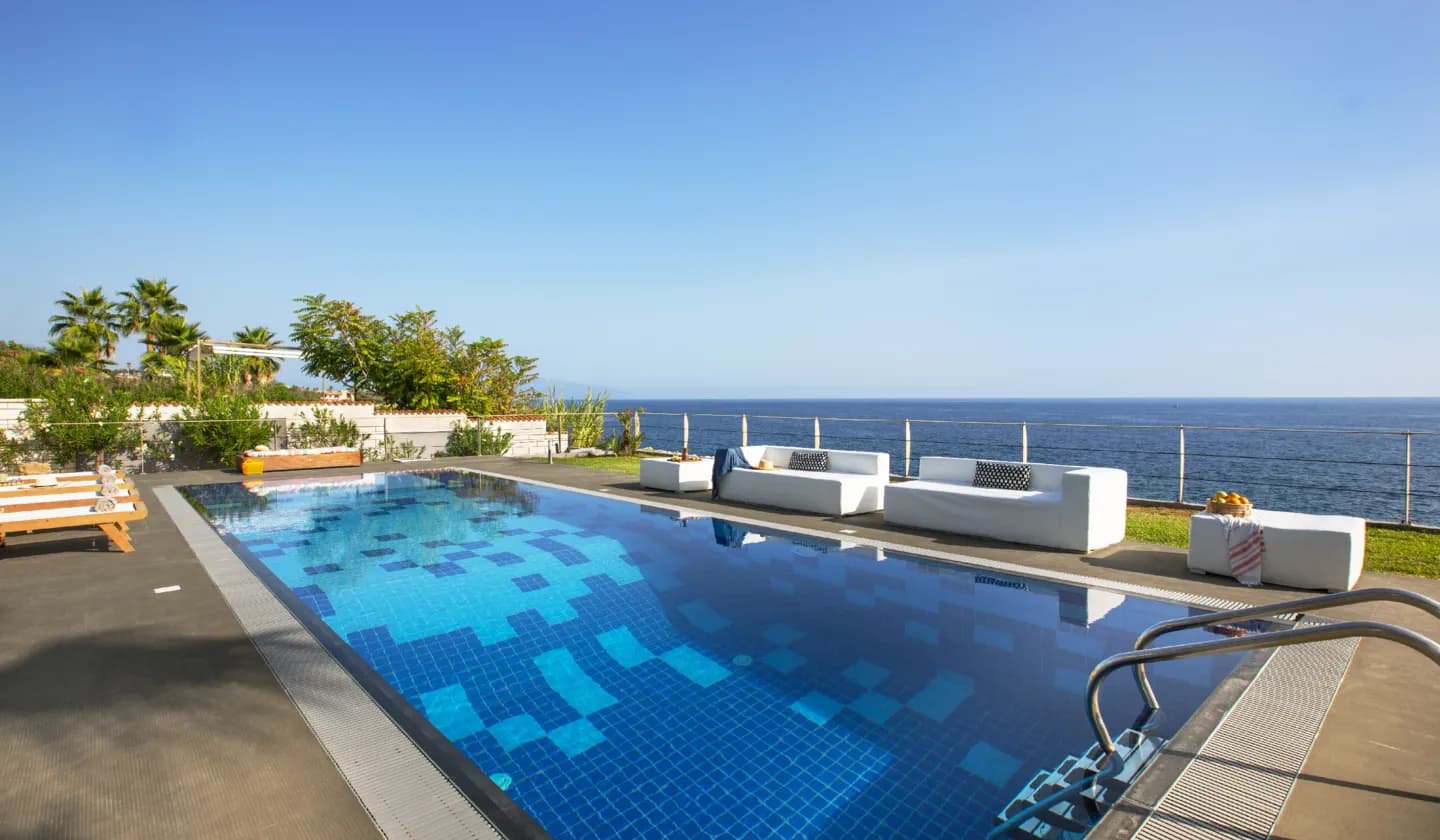
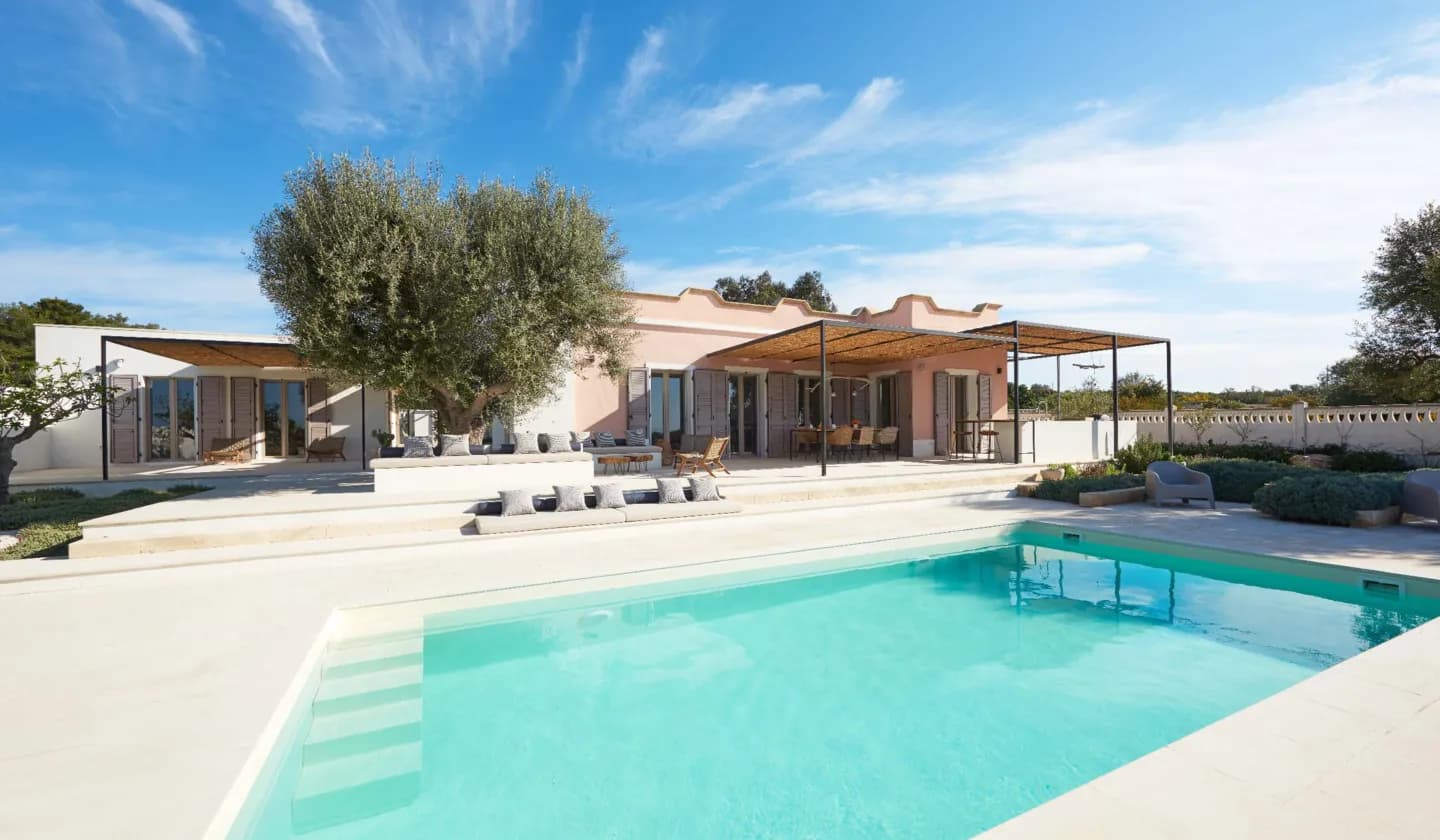
A property such as Villa Megara, set within the coastal landscape, allows guests to enjoy the sea directly while remaining away from the most crowded areas.
Which Areas are Ideal to Explore on Foot?
Siracusa lends itself well to exploration on foot, especially when a slow pace is embraced and trips are spread over several days.
Ortigia is the most immediate area: flat, compact and rich in views and resting spots. Walking without a fixed destination allows visitors to capture its authentic atmosphere, made up of small details, hidden courtyards and sudden openings onto the sea.
The Neapolis Archaeological Park is also designed to be explored on foot. The paths connecting the various sites allow visitors to perceive the relationship between ancient architecture and the natural landscape, making walking an integral part of the visit.
Beyond the most frequented routes, some residential areas between Ortigia and Acradina offer a more everyday view of the city. Here, neighbourhood shops, bars full of locals and a less tourist-oriented urban life can be found.
Exploring Siracusa on foot means accepting a slower pace, in harmony with the city’s deeper identity. It is precisely this slowness that makes the experience more authentic and lasting, transforming a trip into a true holiday.