- Home
- Travel journal
- Trapani and Erice Itinerary: Best Sights in Two Days
Trapani and Erice Itinerary: Best Sights in Two Days
Explore Trapani and Erice.



Trapani and Erice: A Simple Two-Day Itinerary
Tucked into Sicily's westernmost corner, Trapani and Erice are two towns within easy reach of one another. Trapani is a lively port city. High above, Erice feels like another world entirely: a medieval hilltop town of cobbled lanes, ancient churches and sweeping views, often wrapped in clouds. Together they capture the essence of western Sicily: sea and mountain, bustle and calm.
If you’re planning to stay in one of our villas in Sicily for rent, especially in the west of the island, these two towns should be on your itinerary. To find out why you should visit these two towns, read on and discover:
- Why combine Trapani and Erice in one trip?
- What should you see in Trapani in one day?
- What are the unmissable sights in Erice?
- How can you move easily between the two?
- Which food and wine experiences are worth trying?
- Where are the best places to stay nearby?
Why Combine Trapani and Erice in One Trip?
Trapani and Erice work brilliantly together because they sit right beside one another yet feel worlds apart. Erice perches on a mountain some 750 metres above Trapani, and the two are linked by a cable car (funivia) that takes just ten minutes, so you get two contrasting experiences without wasting a day on travel.
Erice is a medieval hilltop village of cobbled lanes, stone churches and castle ramparts, with views stretching over the Aegadian Islands and, on a clear day, as far as Tunisia. It's often wreathed in cloud, giving it a slightly otherworldly, storybook feel. Trapani, down on the coast, is a proper working port city with a Baroque old town, bustling seafood restaurants, and the famous saline (salt pans) with their windmills just outside town, plus ferry links to the Aegadian Islands. Visiting both Erice and Trapani gives you a real contrast of mountain tranquility versus coastal bustle within a single, effortless trip, and they are both one of the best things to see in west Sicily.
What Should you See in Trapani in One Day?
A day in Trapani flows naturally around the old town and out to the coast. Begin at the Baroque Cattedrale di San Lorenzo, then walk over to the Chiesa delle Anime Sante del Purgatorio, home to the twenty life-size statues carried through the streets during Trapani's famous Good Friday procession. From there, wander along Via Garibaldi, the main pedestrian street lined with palazzi, boutiques and cafés, before continuing out to the Torre di Ligny, a coastal watchtower marking the western tip of the peninsula, where the two seas meet and views stretch towards the Aegadian Islands. Stop nearby for lunch, making sure you try local dishes such as couscous di pesce.
In the afternoon, stroll along the port, where ferries depart for Favignana and the other Islands, and follow the remaining stretch of the old city walls. If you have time, it's well worth continuing out to the Saline di Trapani, the historic salt pans dotted with old windmills, particularly beautiful in the late-afternoon light and occasionally home to flamingos. Round off the day with fresh seafood on the waterfront, ideally somewhere with a sea view to match the food.
What are the Unmissable Sights in Erice?
Erice's unmissable sights cluster within its compact, cobbled centre. The Castello di Venere sits at the town's highest point, a Norman castle built on the site of an ancient temple to Venus, with sweeping views over Trapani, the salt pans and the coast beyond. Right beside it, the Balio Gardens offer the best vantage point in town. They are beautifully kept, with benches and a small café from which to take it all in, while the nearby Torretta Pepoli, a romantic nineteenth-century cliffside villa, adds rooftop views of its own.
In the centre of town, the Chiesa Madre is Erice's main church, complete with a separate Gothic bell tower that can be climbed for yet another perspective over the rooftops. No visit is complete, either, without a stop at Pasticceria Maria Grammatico, the town's celebrated pastry shop, famous for its almond sweets and genovesi. Beyond these individual sights, simply wandering the medieval roads is the main draw. Erice is one of Sicily's best-preserved hilltop towns, entirely car-free within its walls. Most visitors arrive via the cable car from Trapani, a ten-minute ride that's an attraction in itself, offering fine views over the salt pans and coastline on the way up.
How can you Move easily Between the Two?
There are two ways to get between Trapani and Erice, each with a different character. Both options are easy and fun in their own way.
The cable car (funivia) is the more popular option, and for good reason. The journey takes around ten minutes, gliding smoothly up the mountainside with fine views over Trapani, the salt pans and the coastline below. It's relaxing, doesn't require concentration, and drops you close to the historic centre, near the Porta Trapani. The only real drawbacks are queues in peak season and occasional closures for high winds or maintenance, so it's worth checking operating hours in advance, particularly out of season when the timetable is more restricted.
Driving up the mountain road is the more dramatic route. It winds steeply upward through a long series of hairpin bends, with the views opening out further with every turn. It's a genuinely enjoyable drive if you don't mind switchbacks, and gives you the flexibility to stop at viewpoints along the way. Note that parking within Erice's walls is limited, so you may end up leaving the car outside and walking into town.
Which Food and Wine Experiences are Worth Trying?
Food and wine are one of the best reasons to linger in this corner of Sicily, and there are many foodie experiences that visitors love. In Trapani, the dish to seek out is pesto alla trapanese, a raw sauce of tomatoes, almonds, garlic, basil and olive oil, tossed with busiate, the local hand-rolled pasta. It's lighter and fresher than its Genoese cousin, distinctly Sicilian thanks to the almonds and tomatoes. Seafood is the other highlight: Trapani sits between two seas, so expect excellent tuna, swordfish, sardines, and couscous di pesce, a fish stew served over couscous that reflects the town's historic ties to North Africa. Small trattorias near the port tend to offer the freshest catch.
In Erice, the essential stop is Pasticceria Maria Grammatico for almond-based sweets like genovesi, marzipan fruits and delicate almond biscuits, all rooted in recipes once made by cloistered nuns.
Wine lovers should make time for an excursion to Marsala, about half an hour south, which gives its name to the famous fortified wine. Several historic wineries there offer tastings and cellar tours; Florio is the best known, having shaped the modern Marsala wine industry since the 1830s, with an atmospheric aging cellar open to visitors. Donnafugata and Pellegrino are two other well-regarded options nearby. Sicily is famous for its delicious local food, and you won’t be disappointed in this part of the islands.
Where are the Best Places to Stay Nearby?
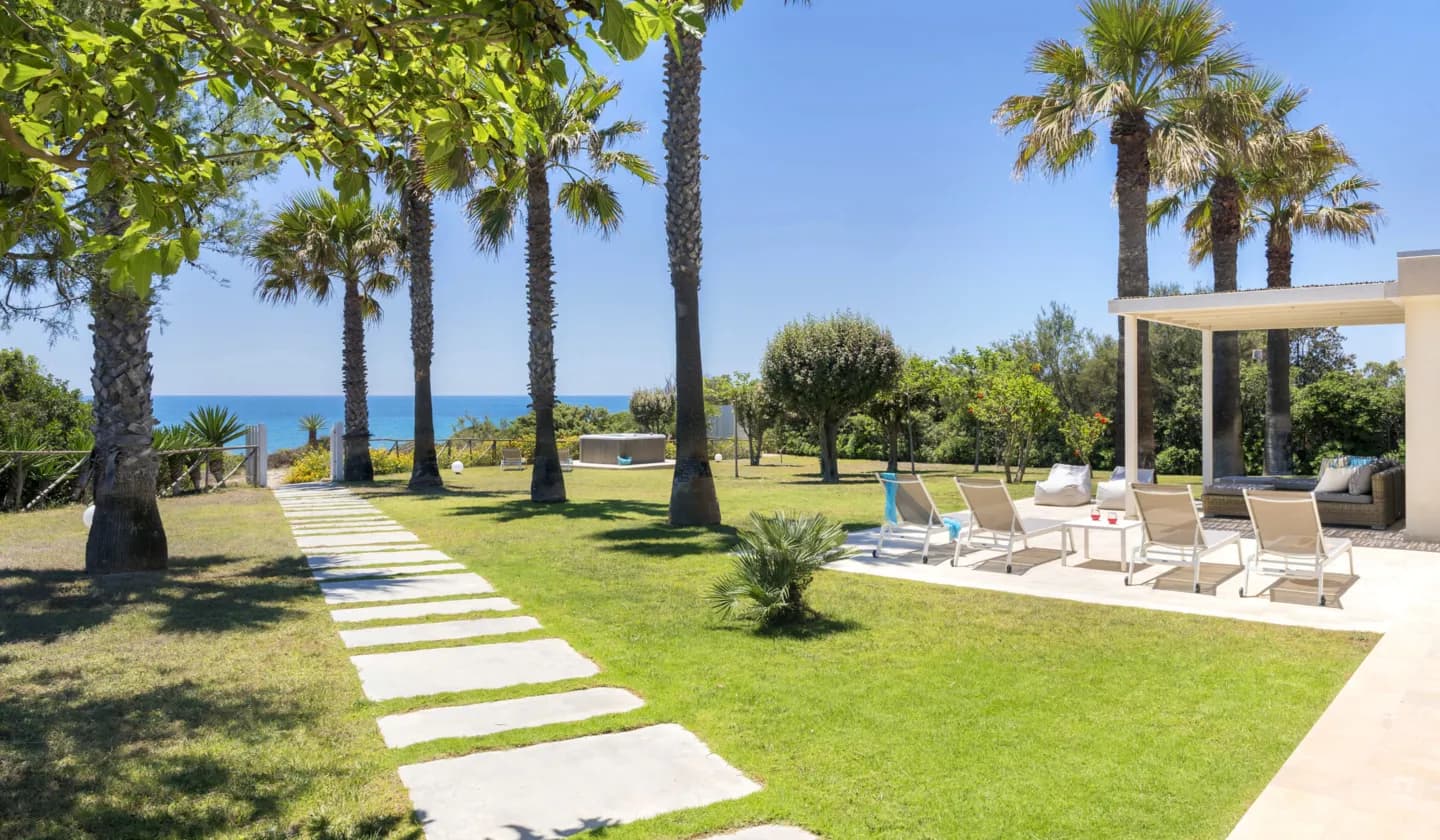
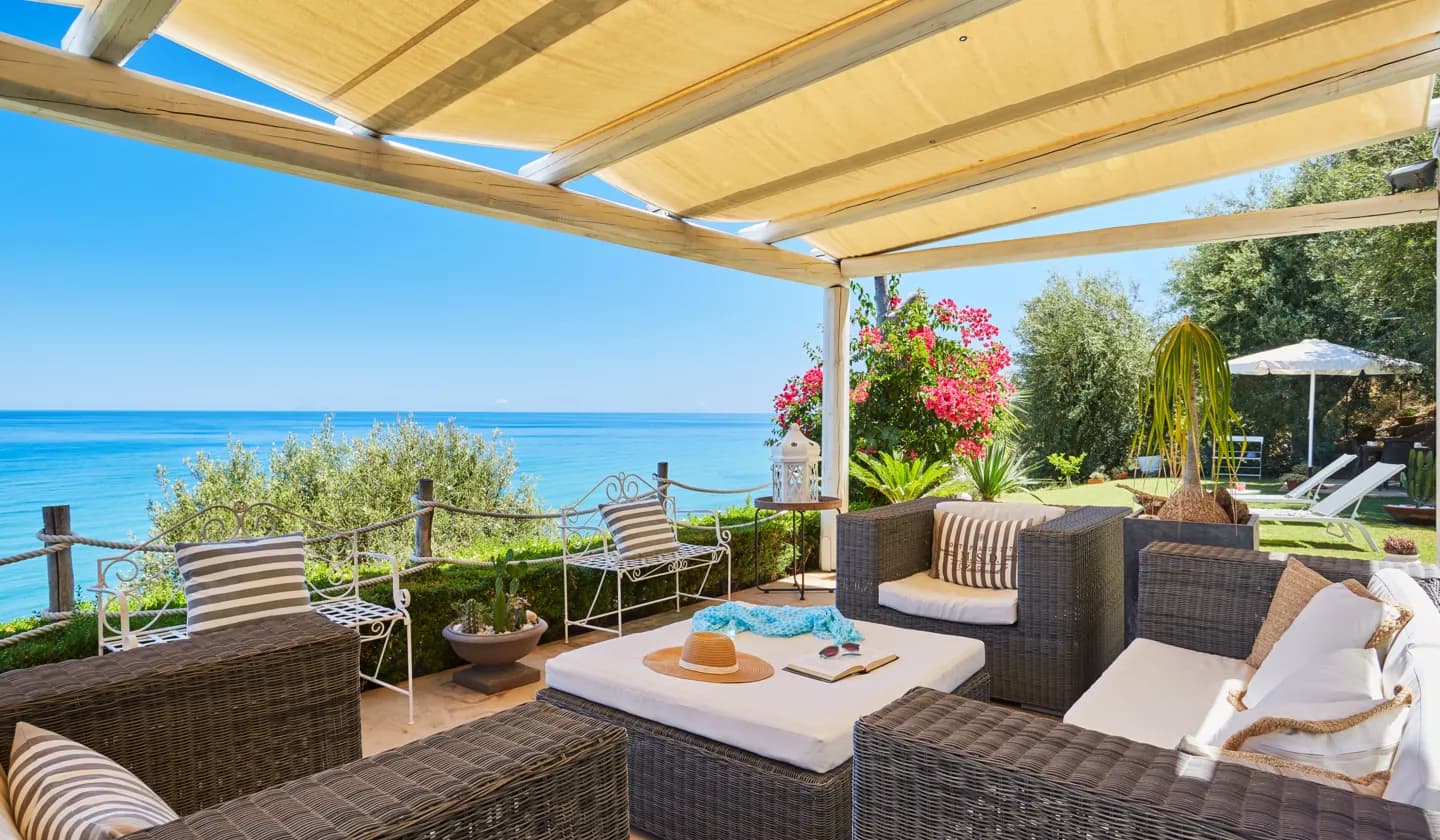
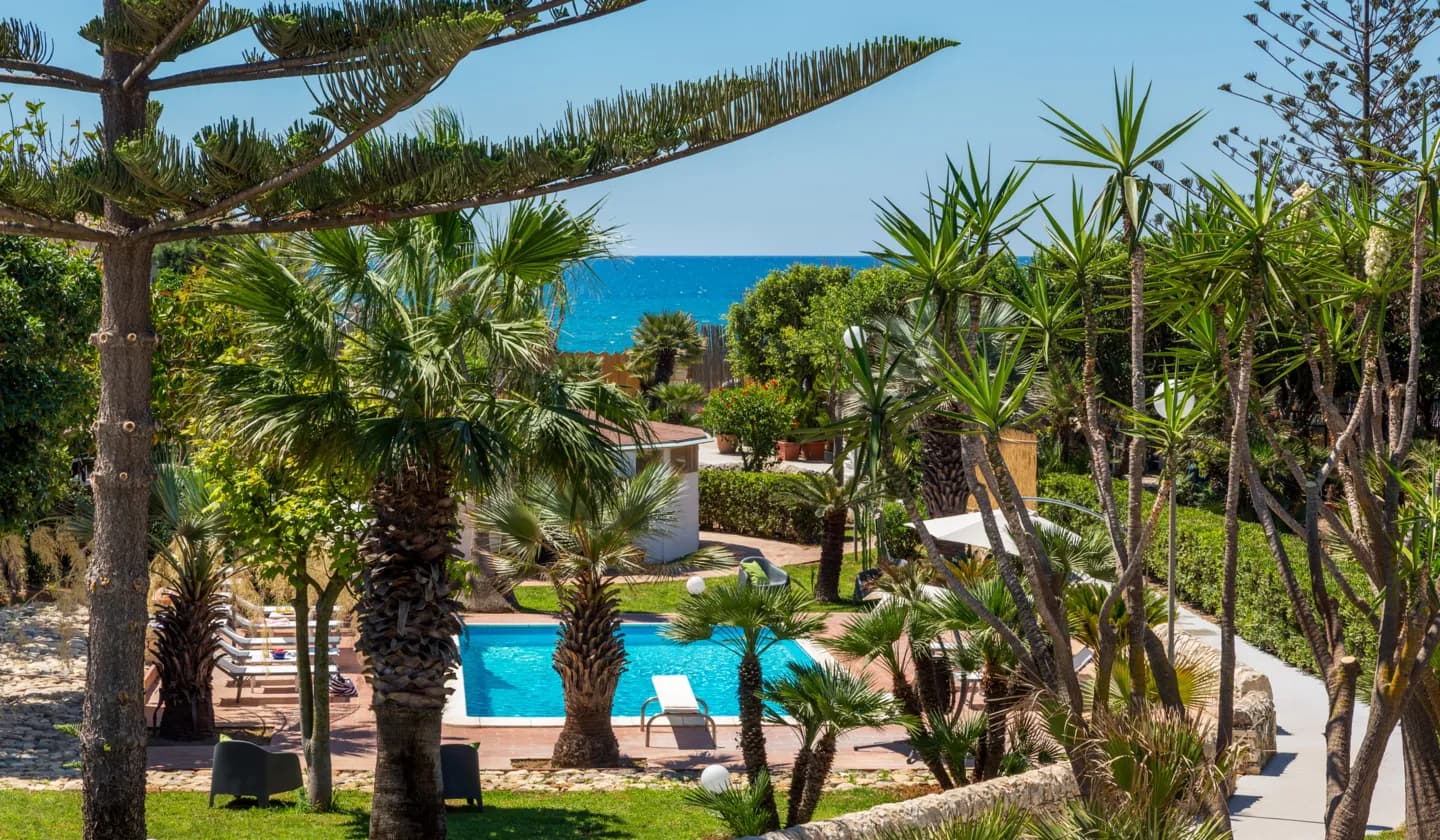
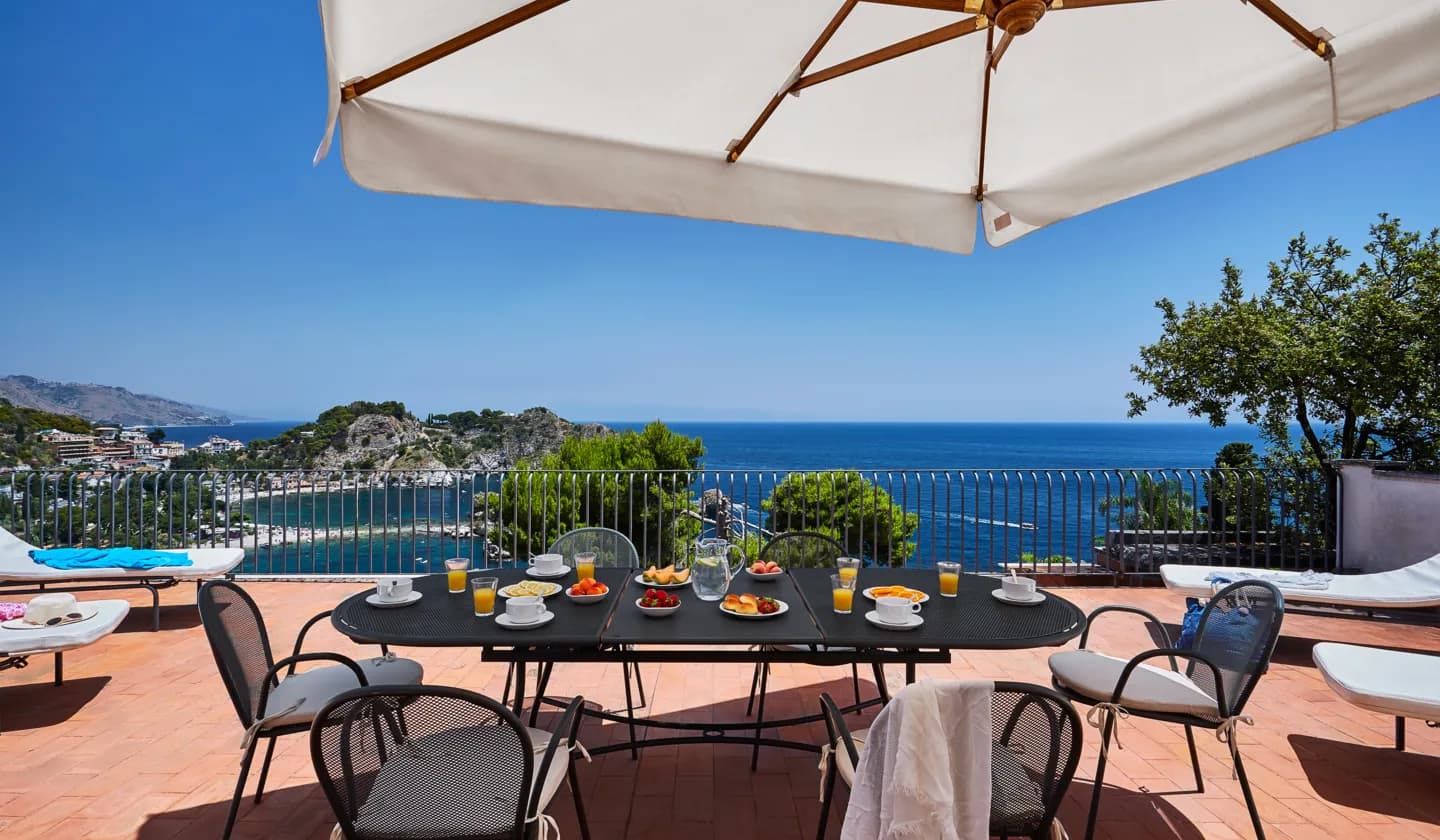
Staying in west Sicily in one of our villas close to Trapani and Erice puts you at the heart of a fascinating region in Sicily. Mornings begin with coffee on a sun-drenched terrace, overlooking olive groves and the distant sparkle of the Aegadian Islands. From your base, Trapani’s lively streets and seafood-filled markets are just a short drive away, while the medieval hilltop town of Erice offers winding lanes, ancient castles, and panoramic views. Days can be spent exploring salt pans, visiting Greek temples at Segesta, or relaxing on nearby beaches like San Giuliano or San Vito Lo Capo. Evenings are for slow dinners under the stars, tasting local Nero d’Avola wines and fresh catch. With a villa as your home, you gain privacy, space, and the freedom to live like a local in west Sicily.
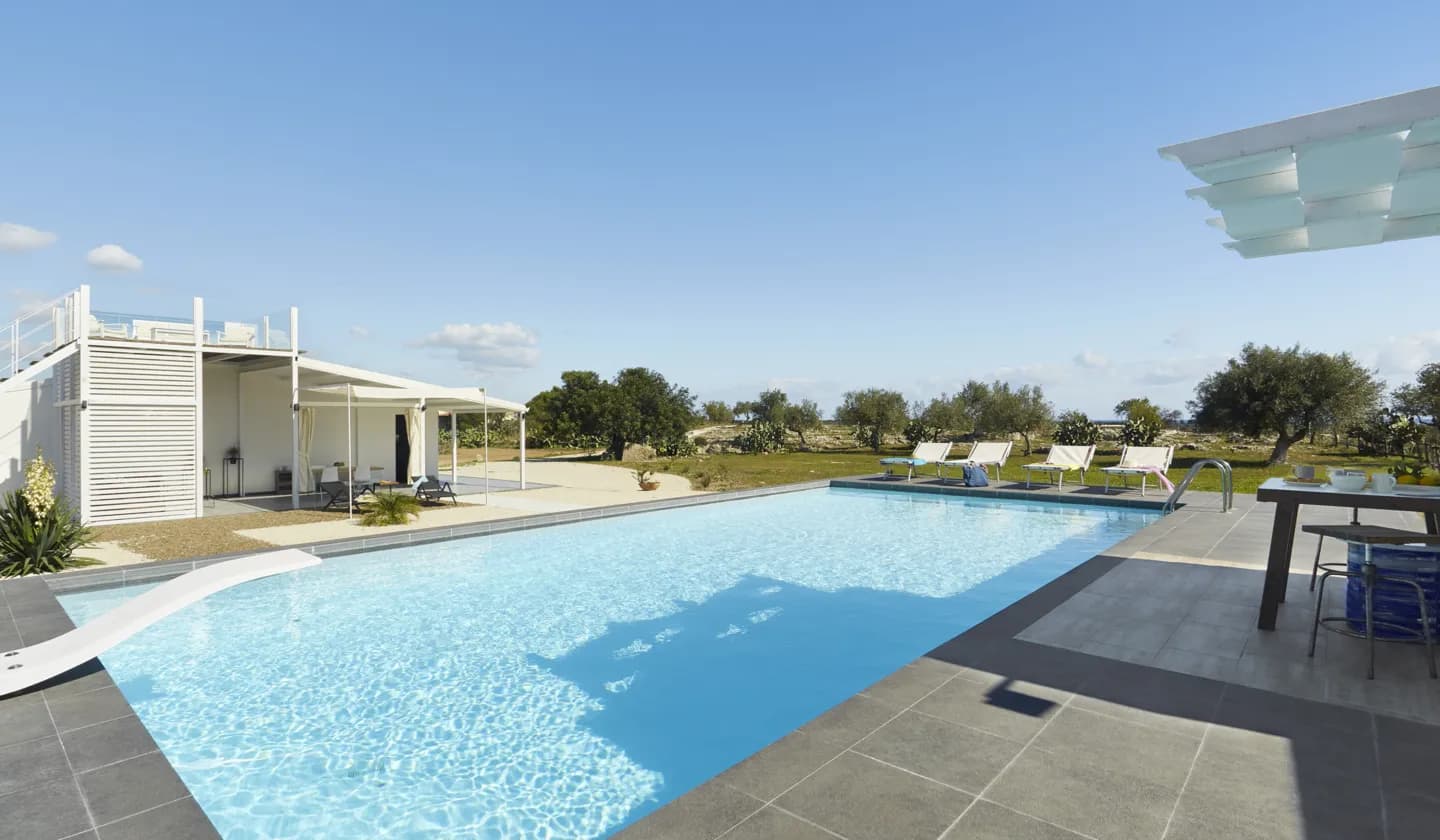
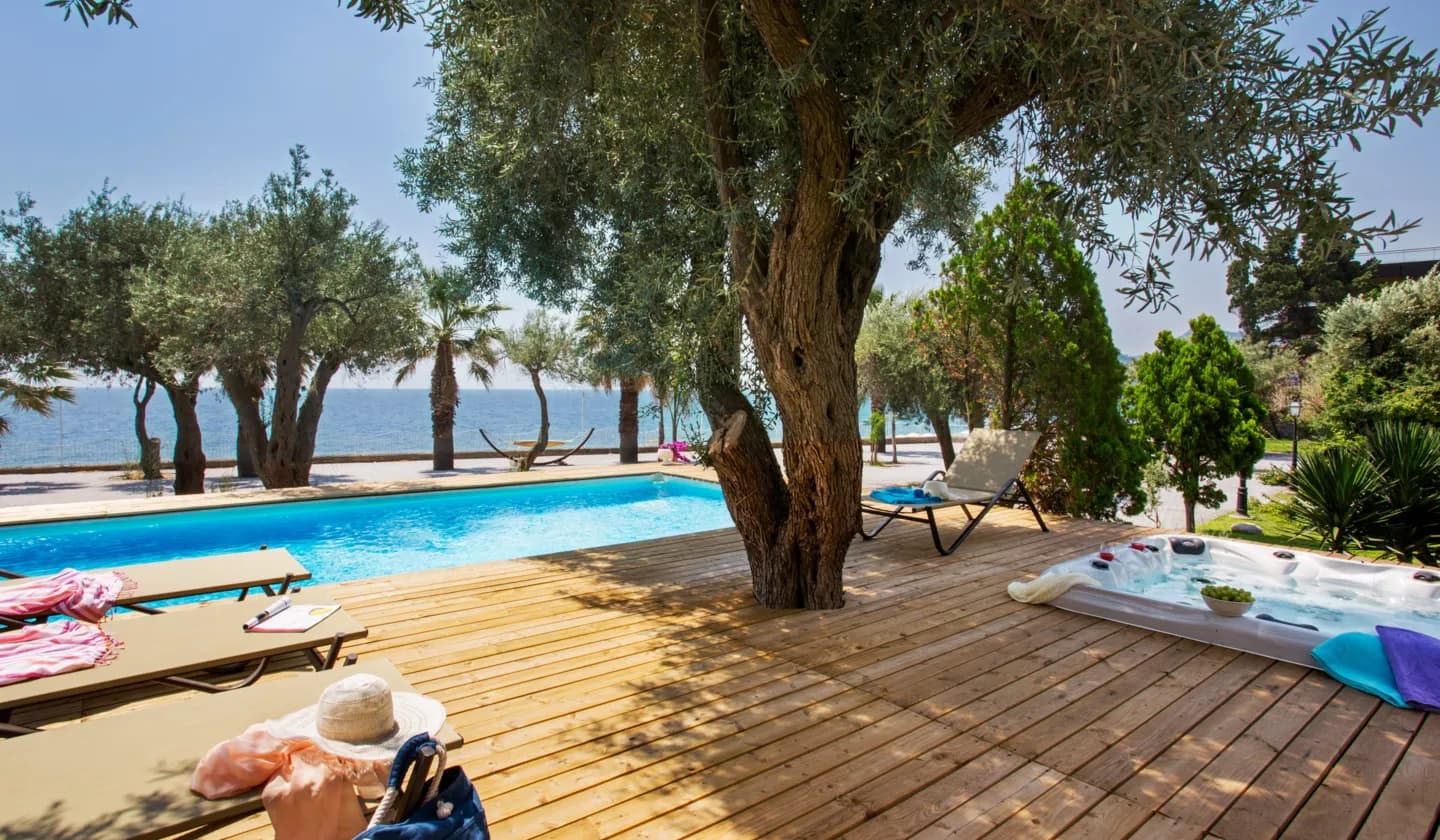
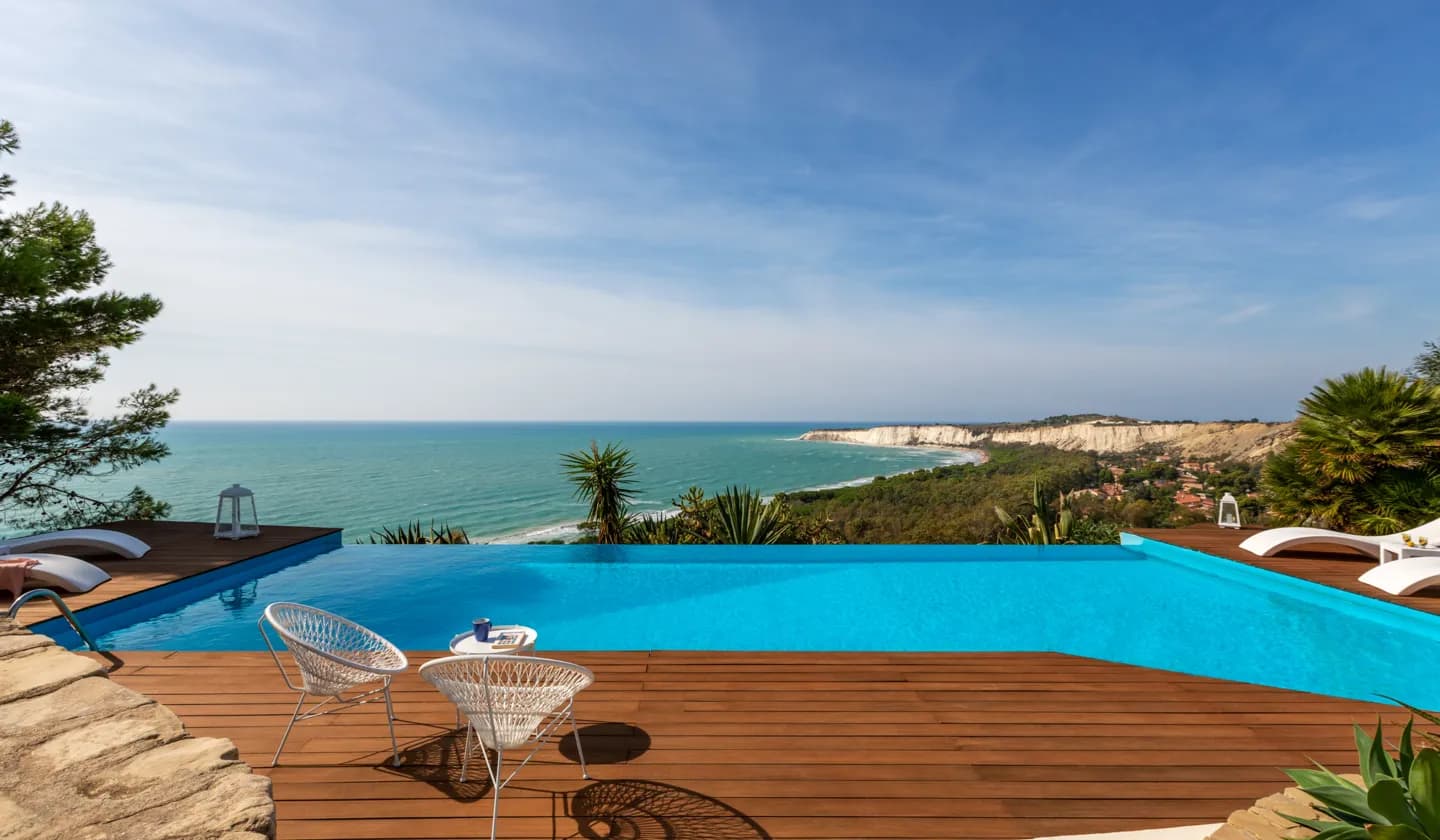
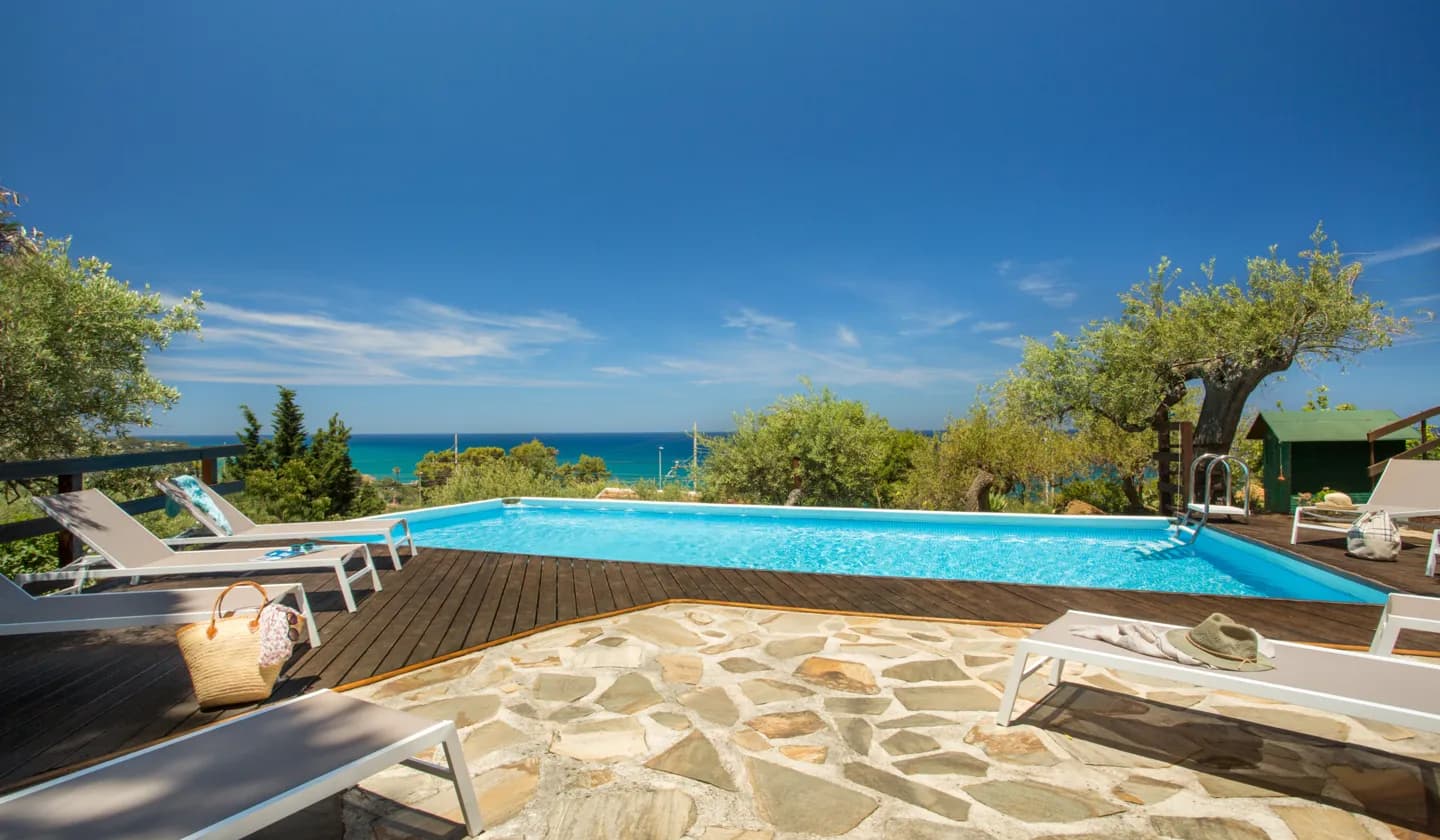
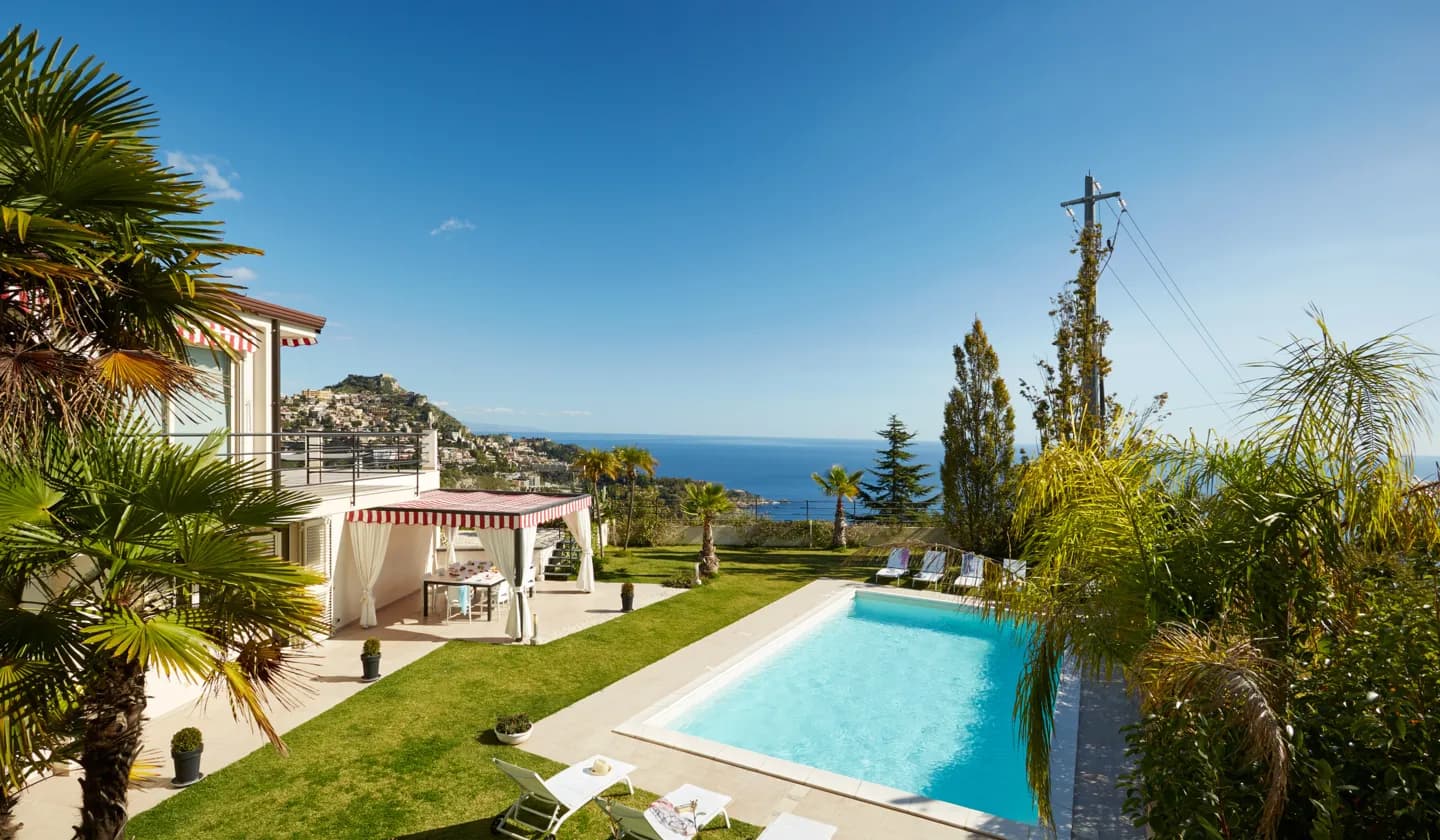
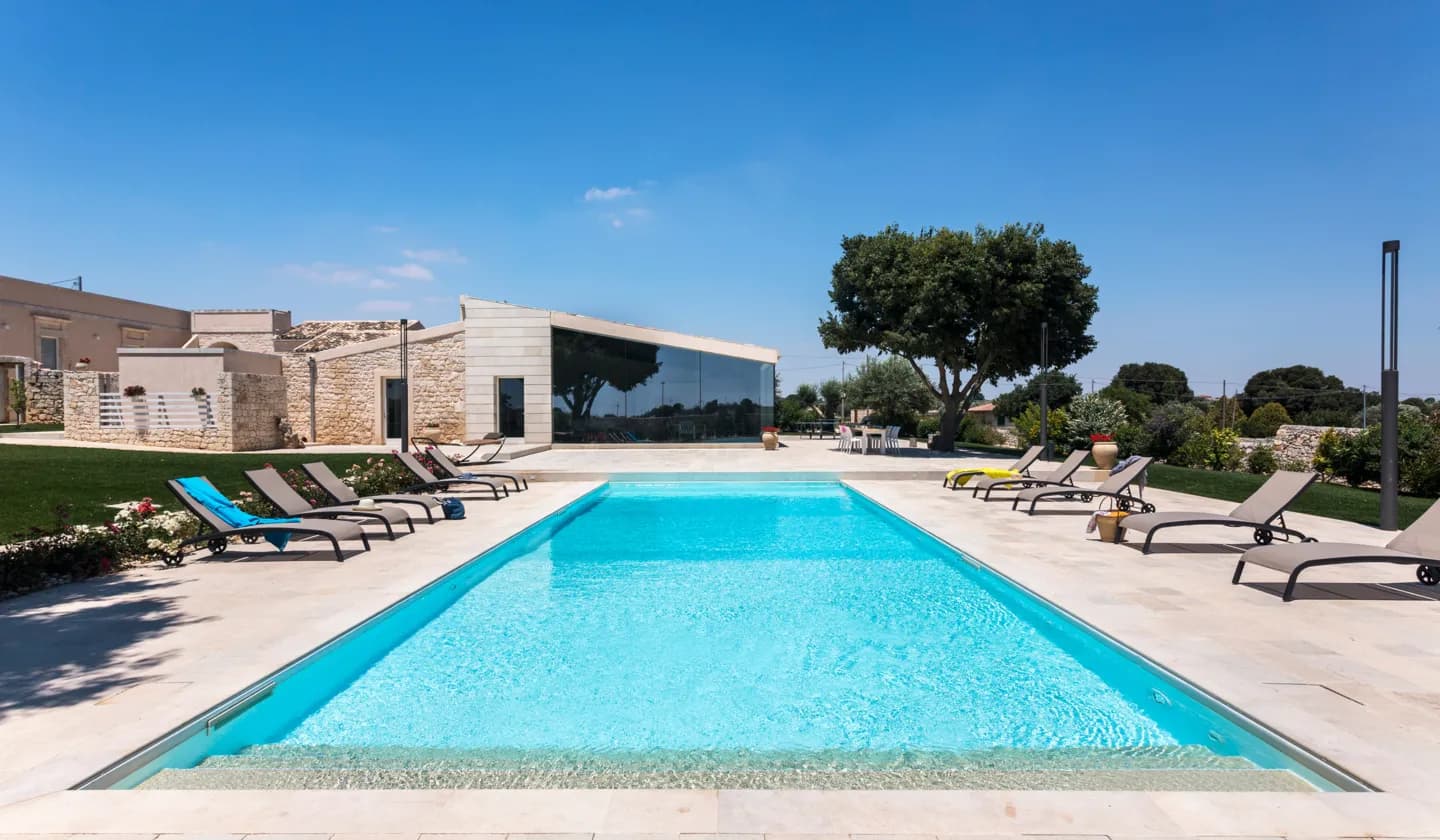
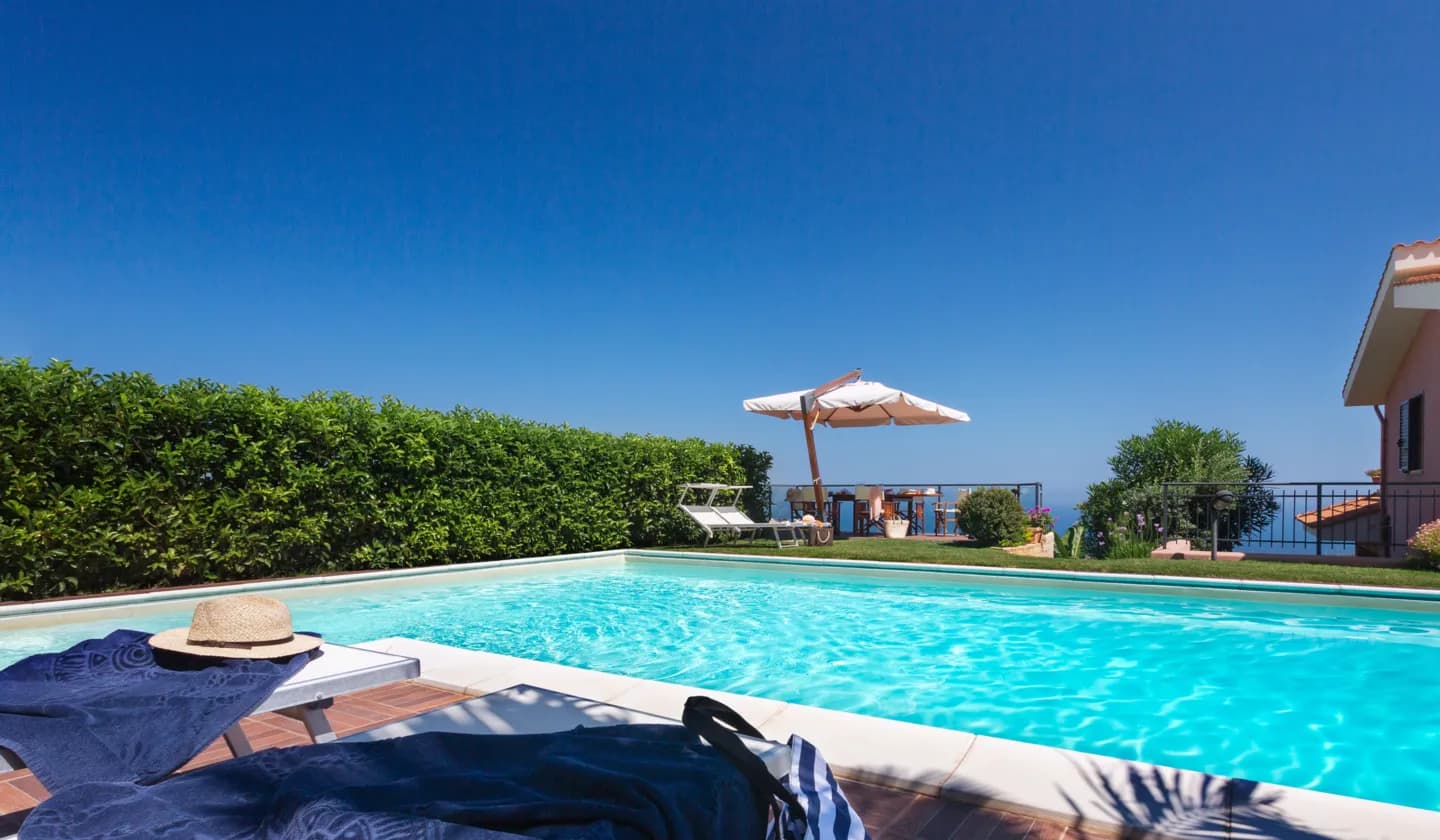
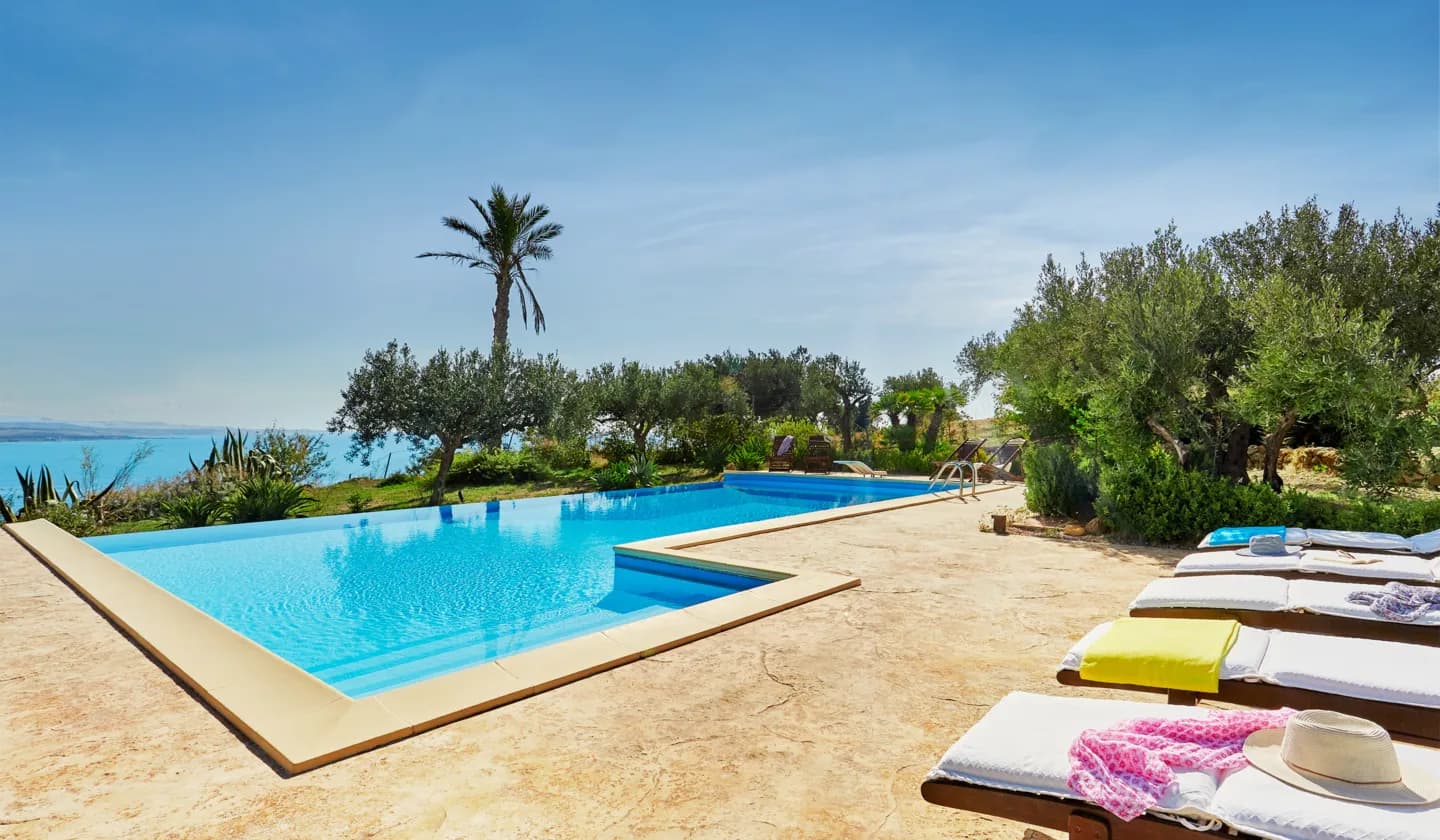
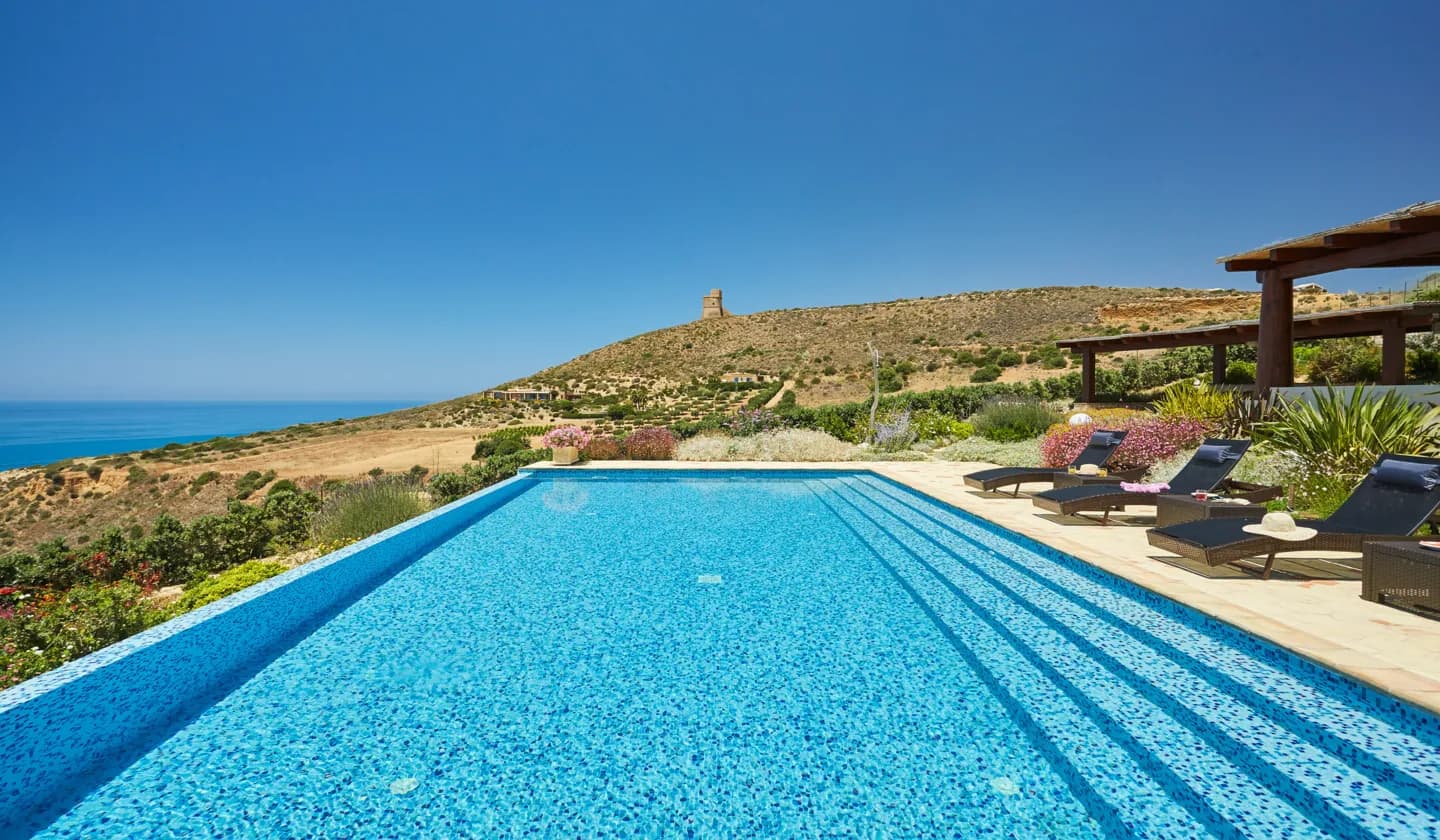
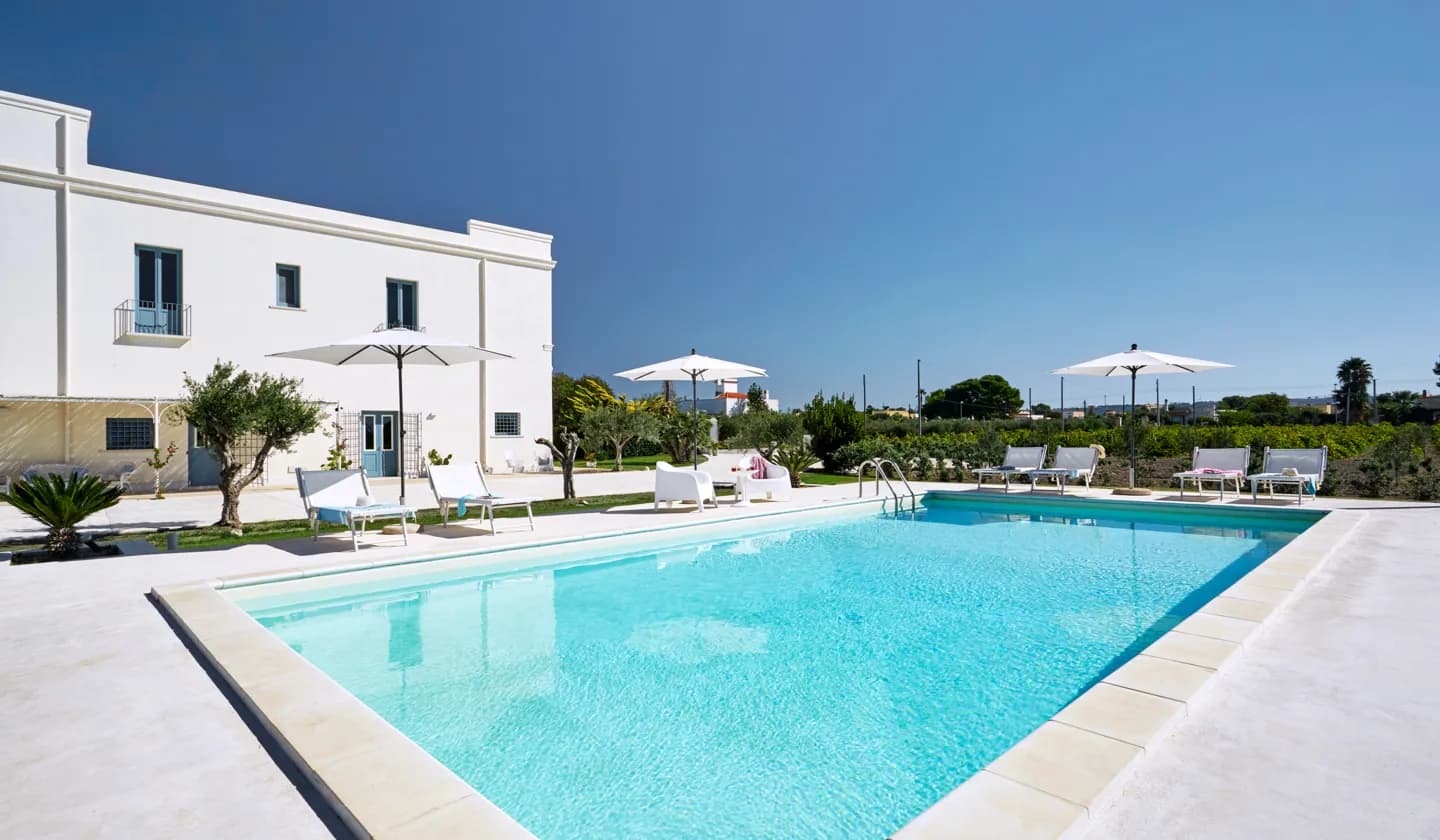
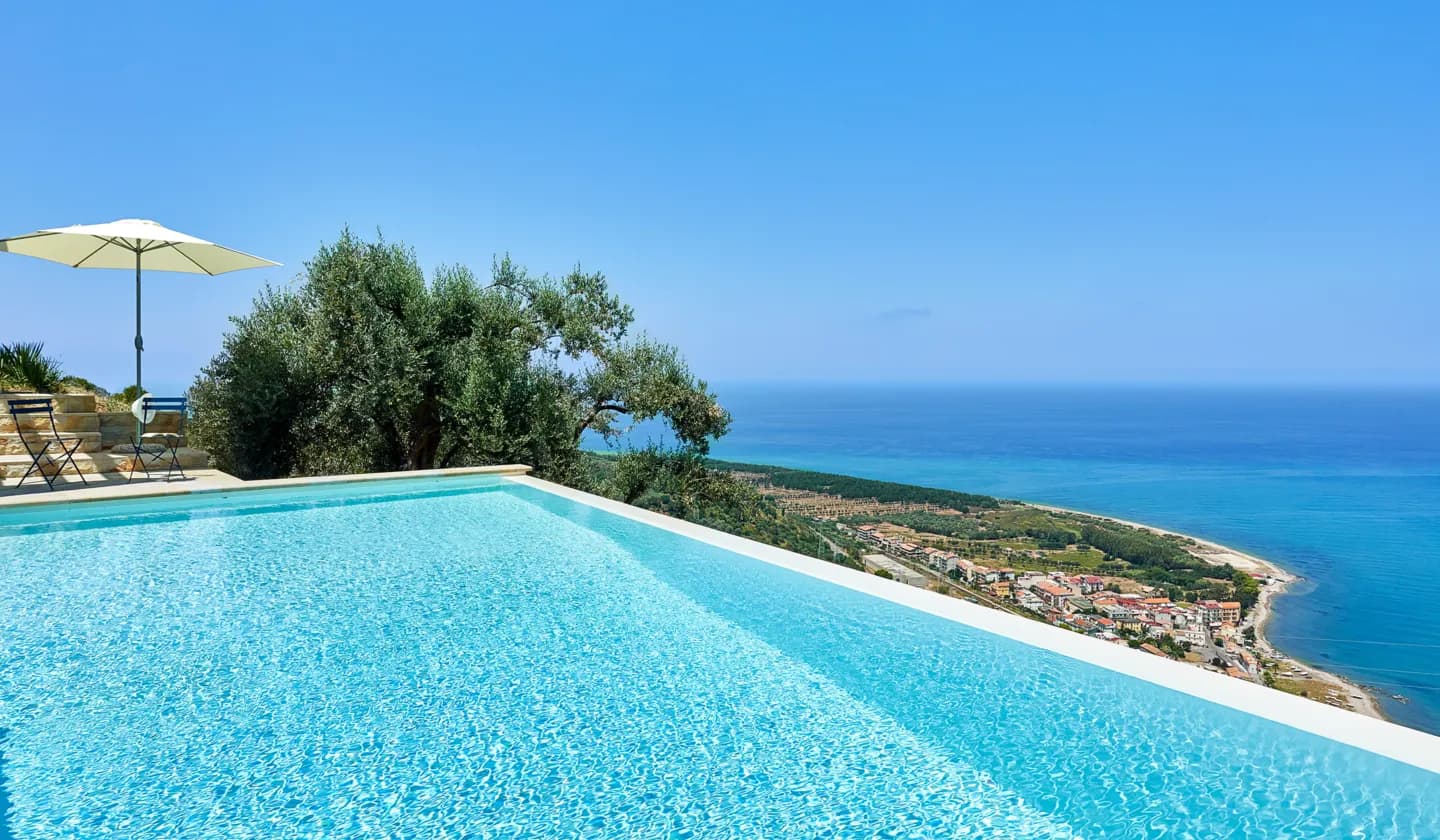
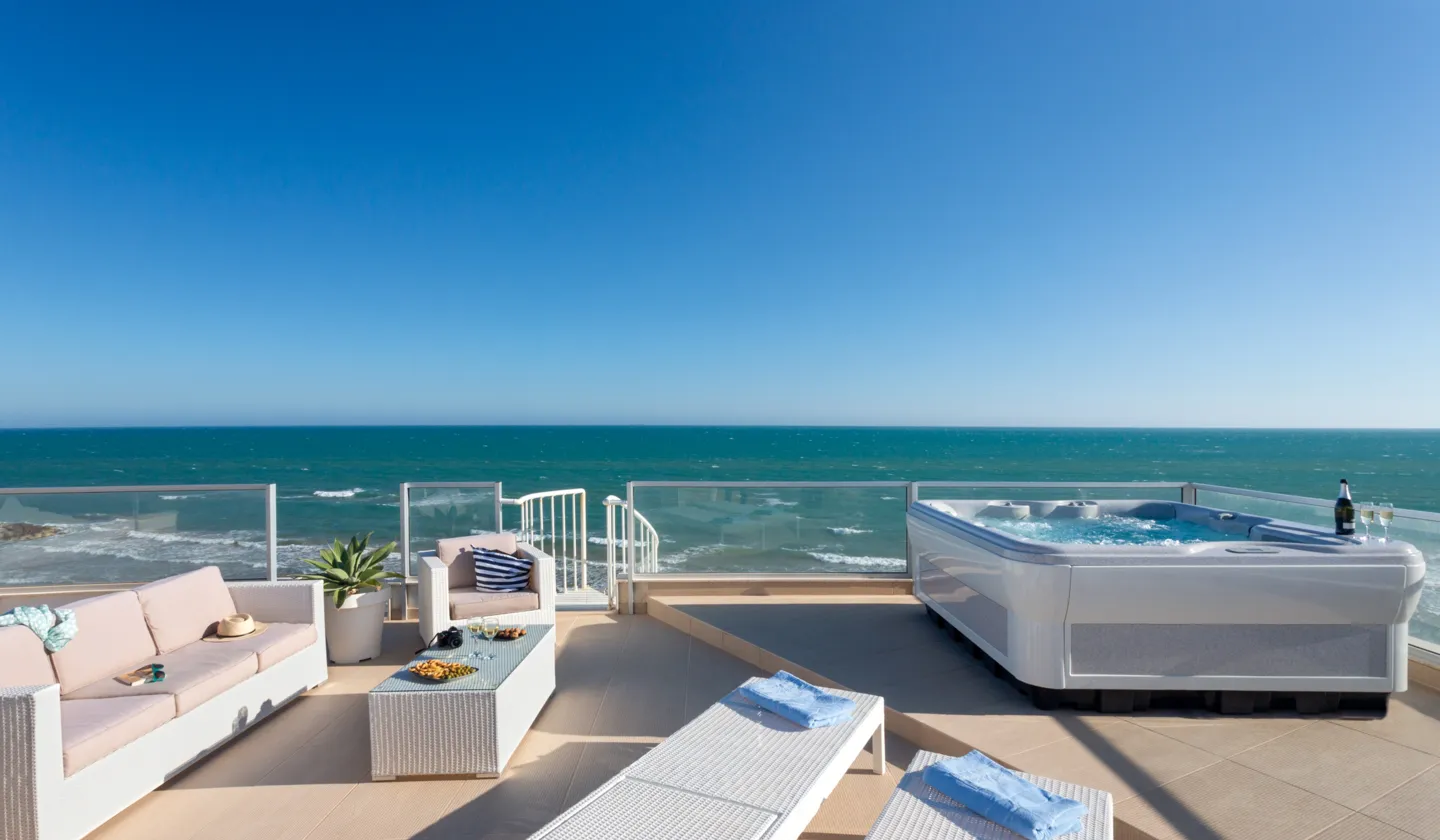
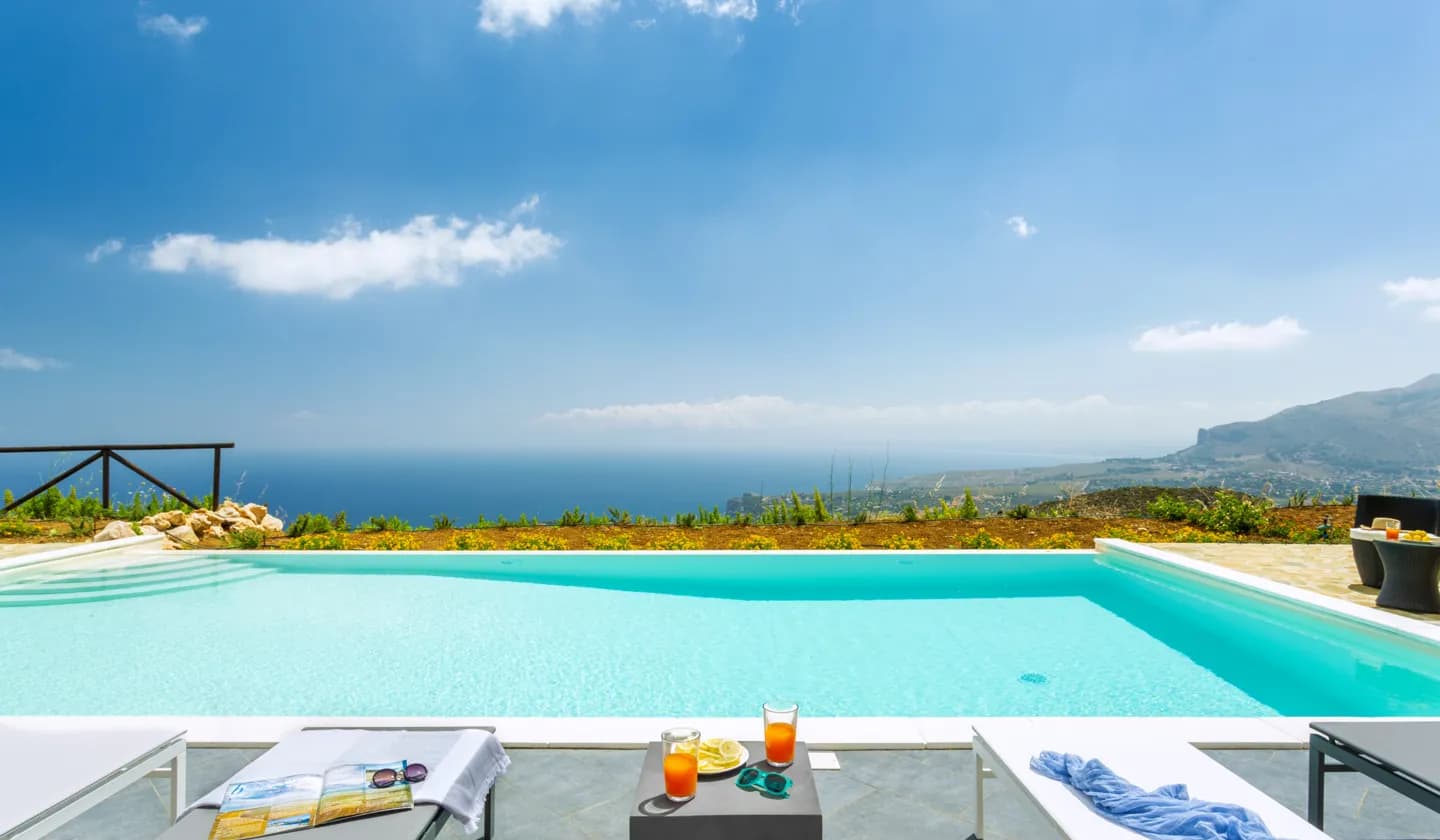
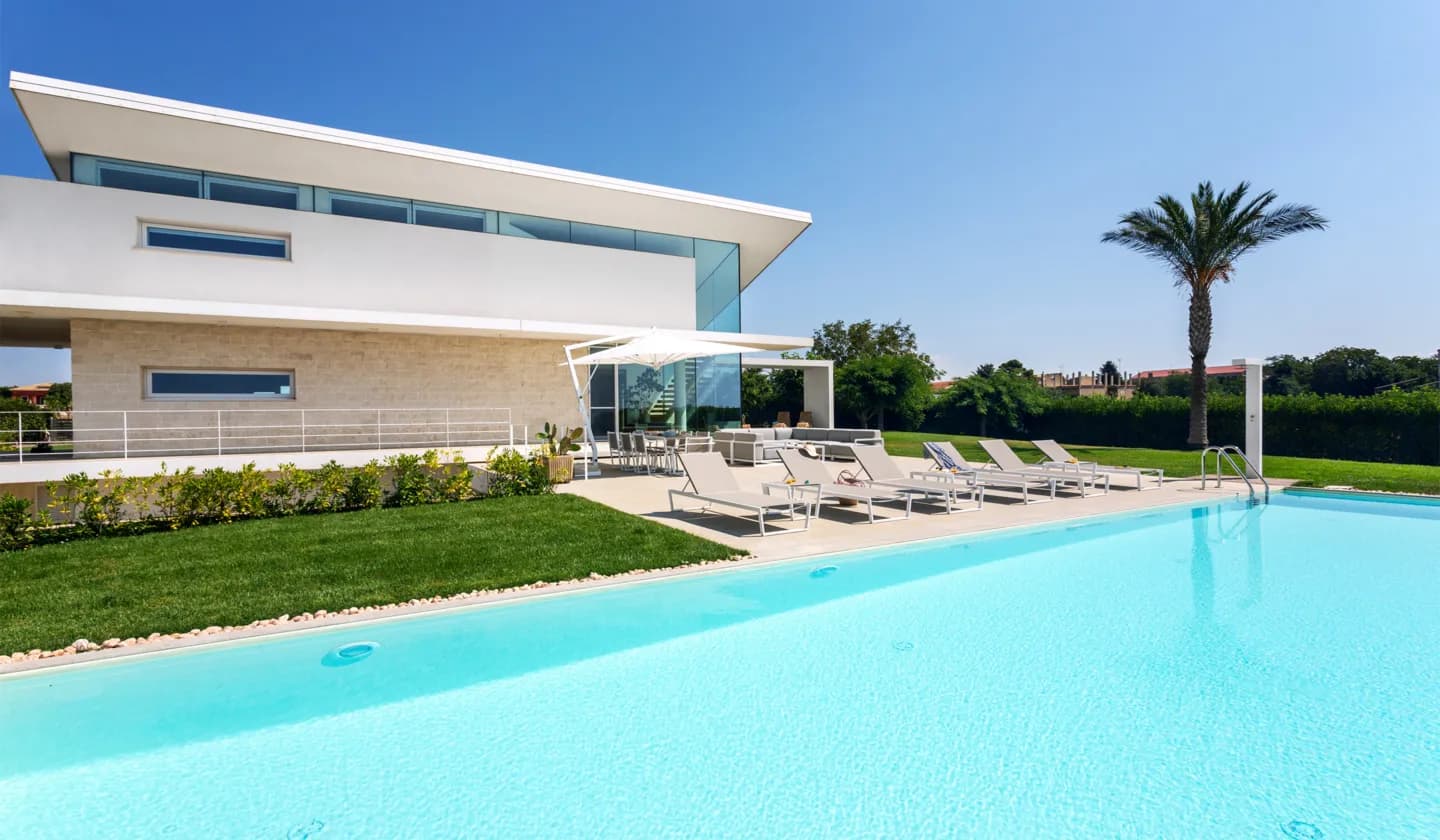
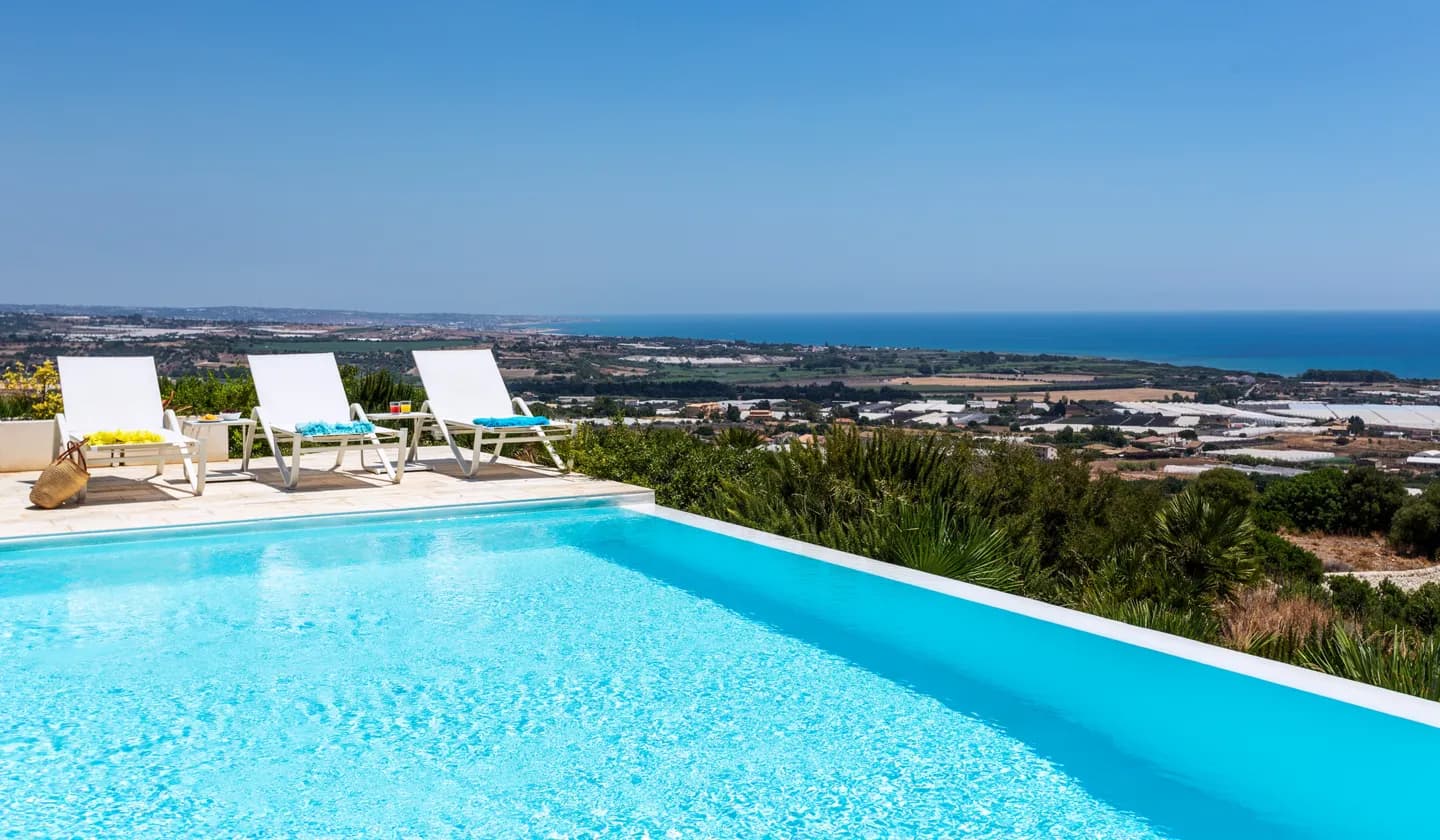
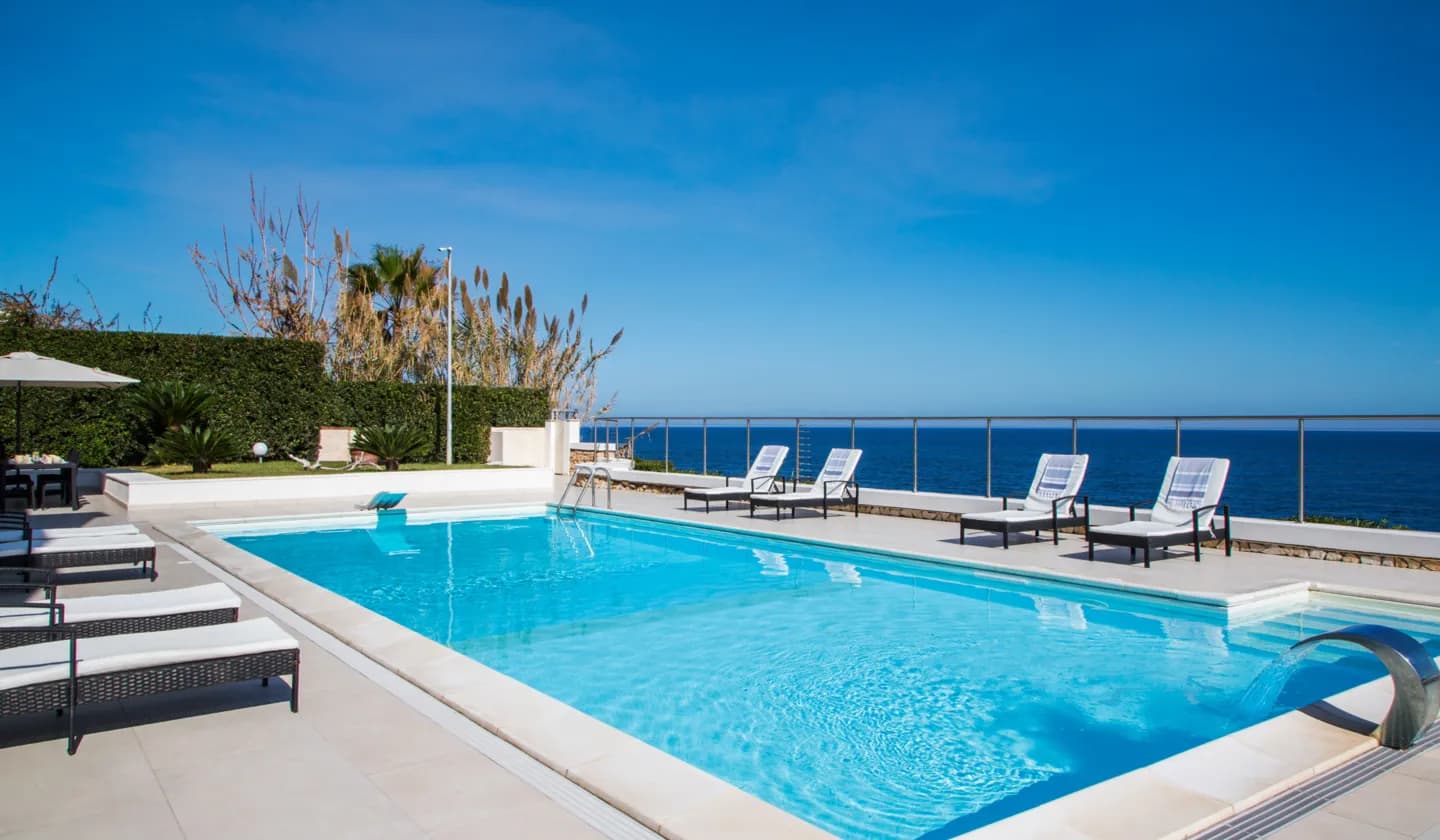
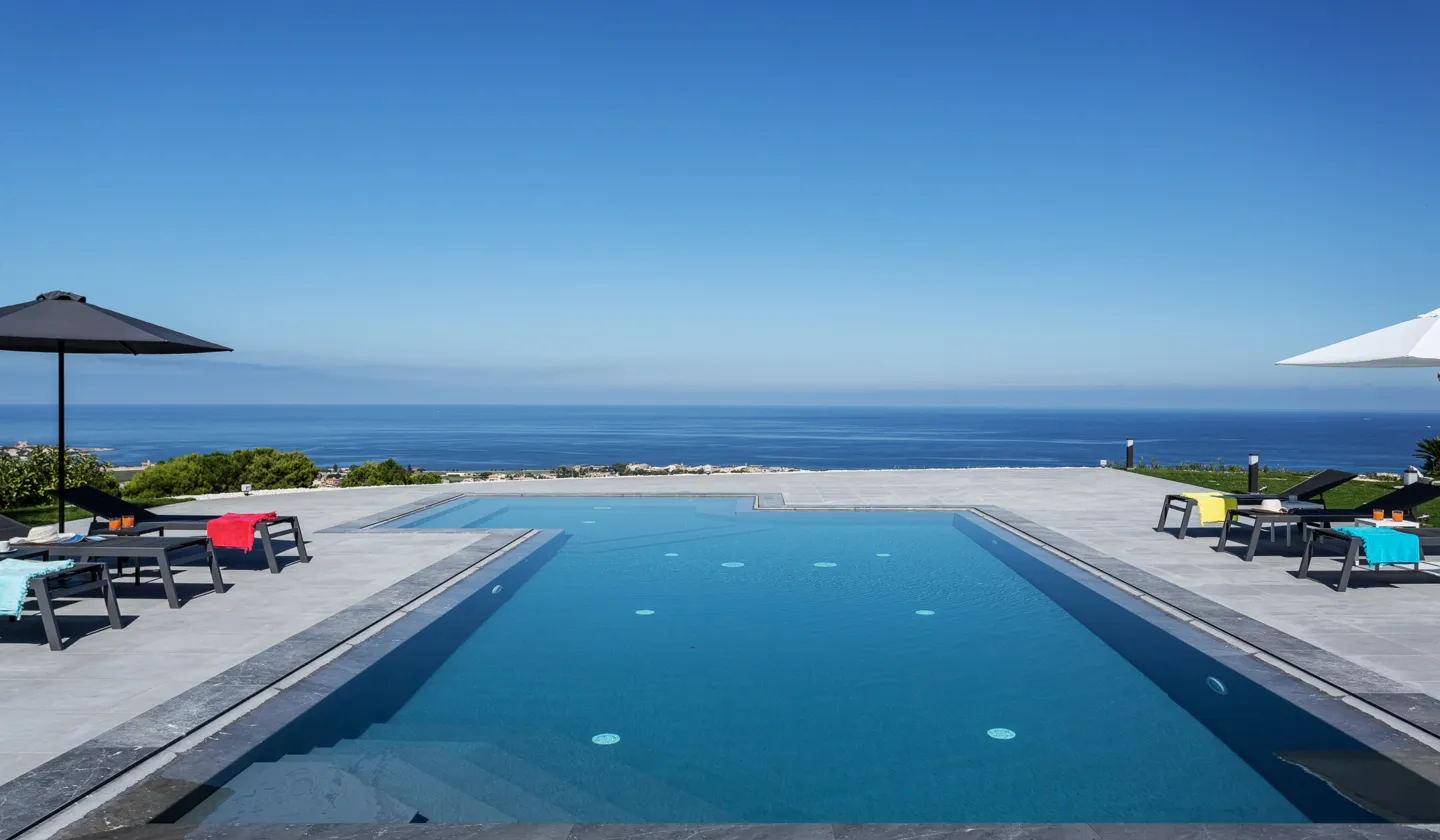
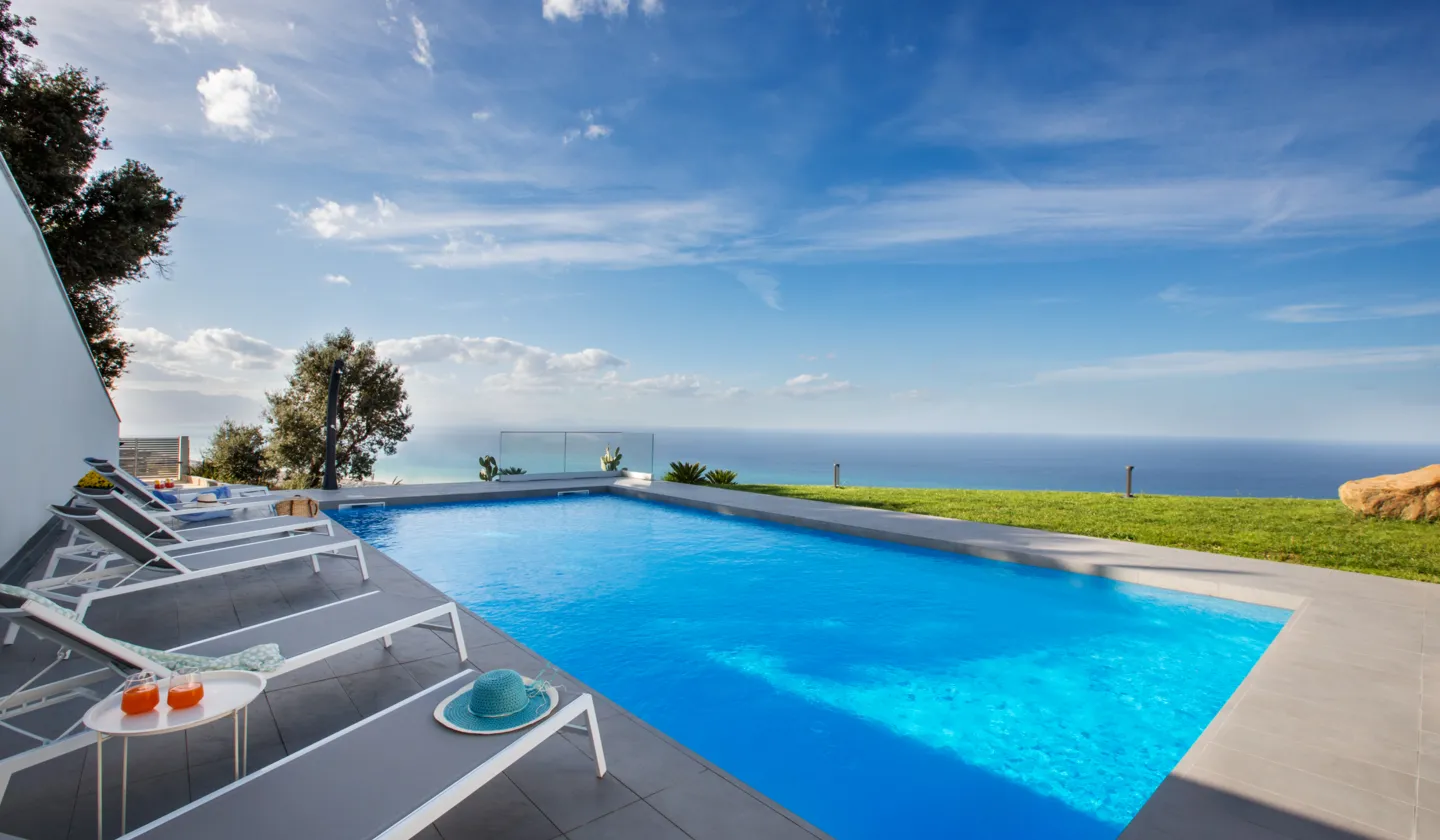
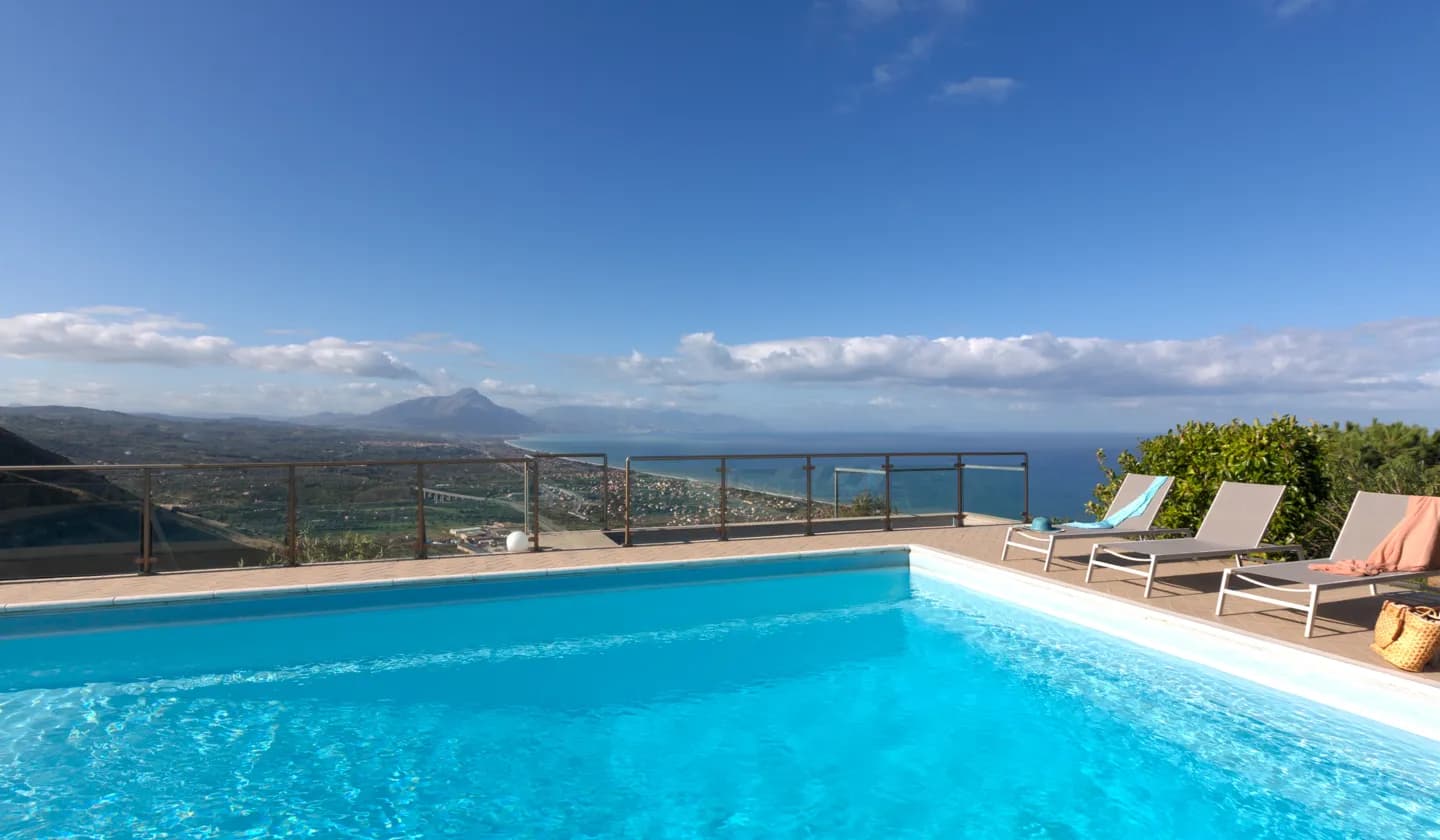
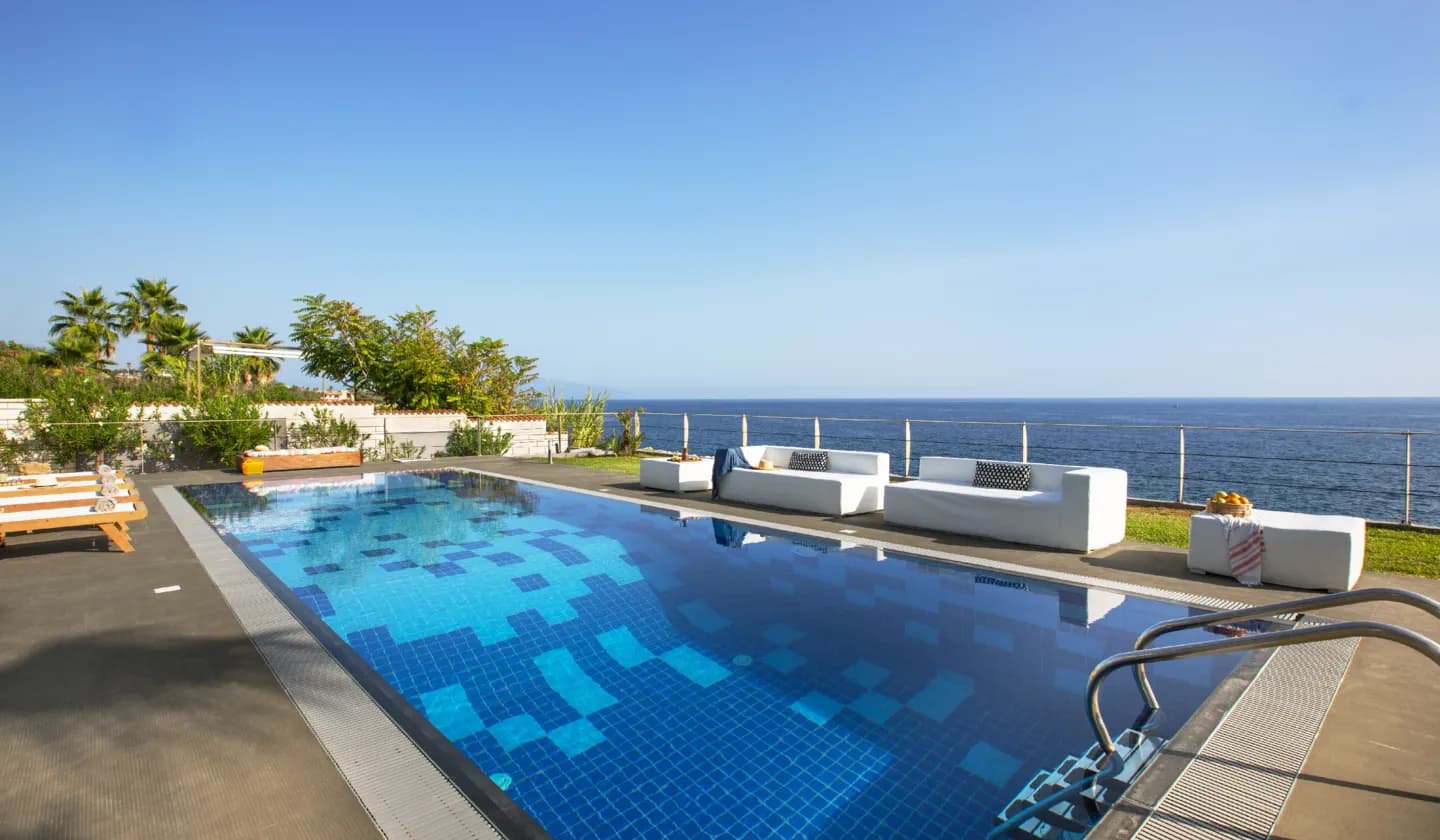
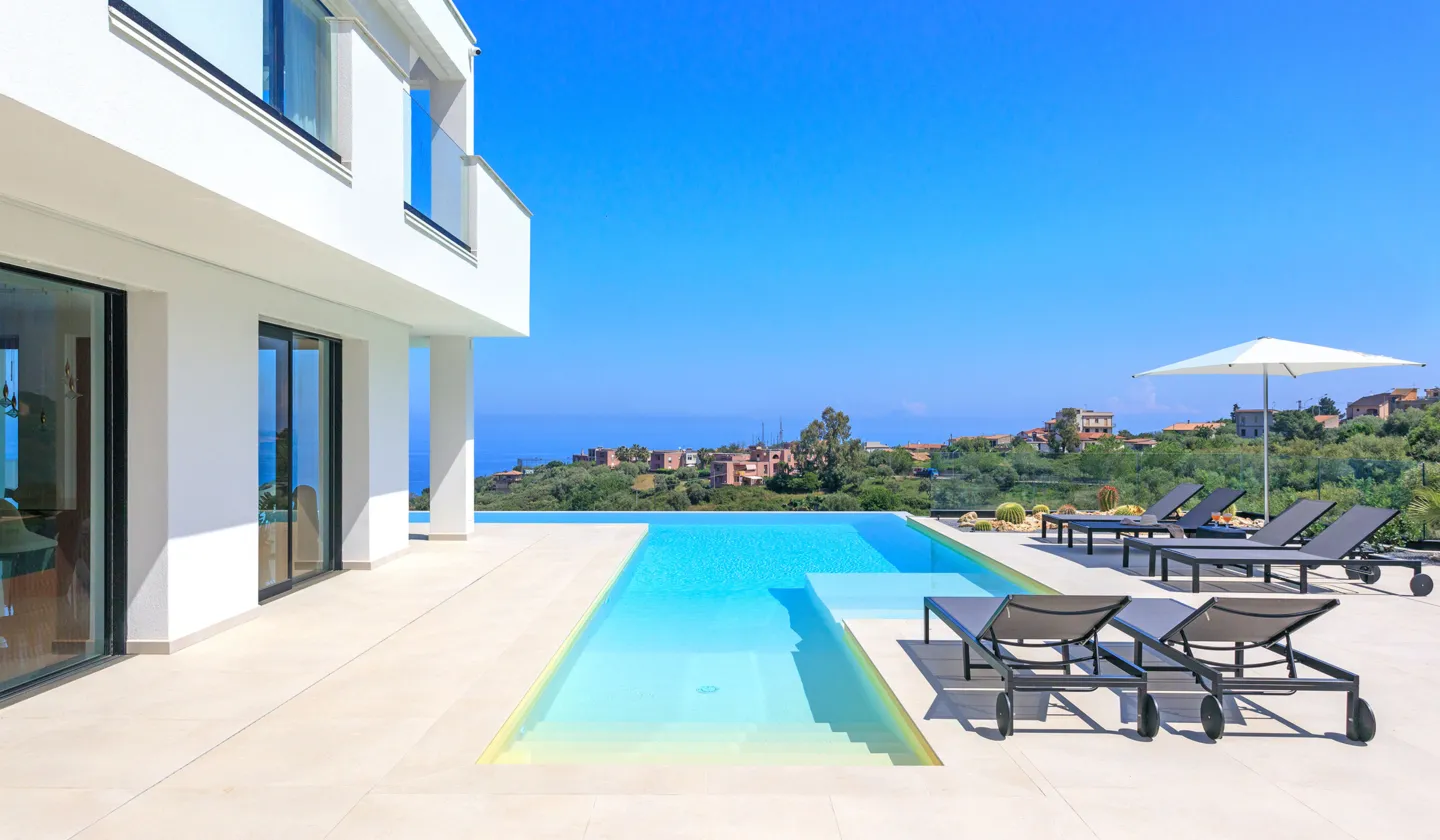
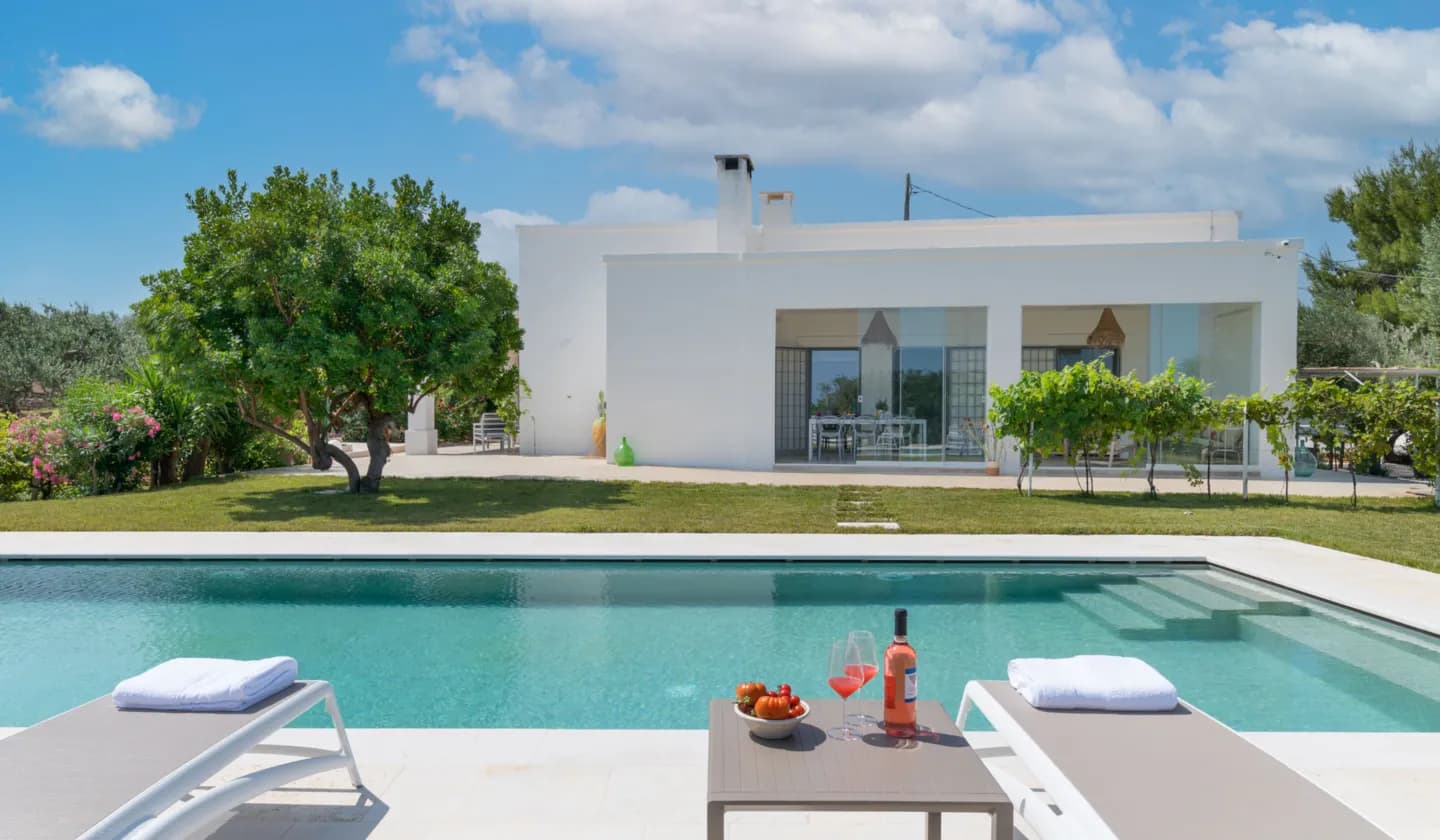
Brezza di Zefiro is a sleek, contemporary villa with sweeping sea views and wonderful outdoor spaces. Its pool area with whirlpool jets, sunloungers, and a wood-fired barbecue is perfect for long, relaxed days, while the furnished terrace offers sunset dining over a panoramic coastal backdrop. Its modern style and oodles of space make it a dream come true.
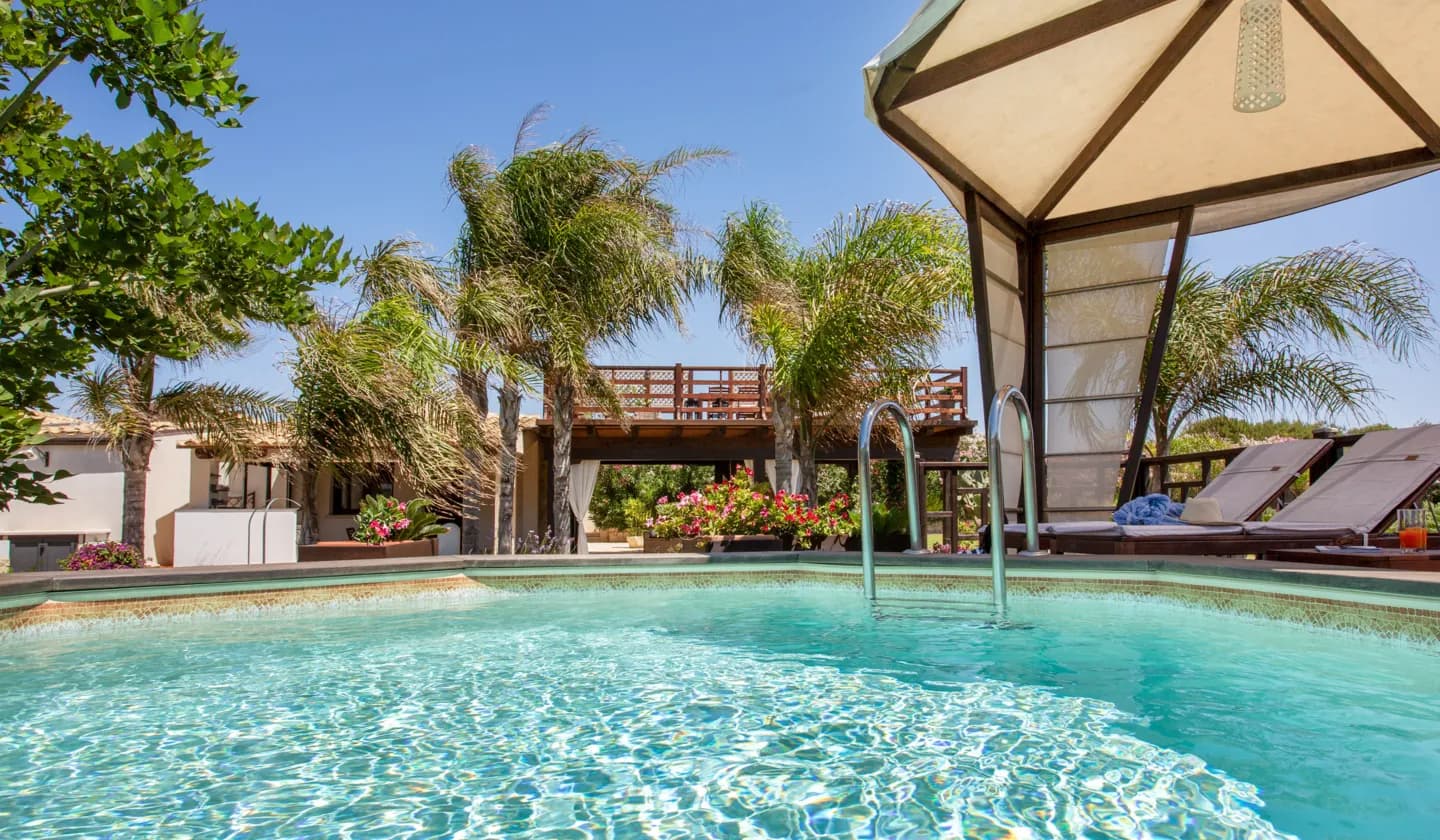
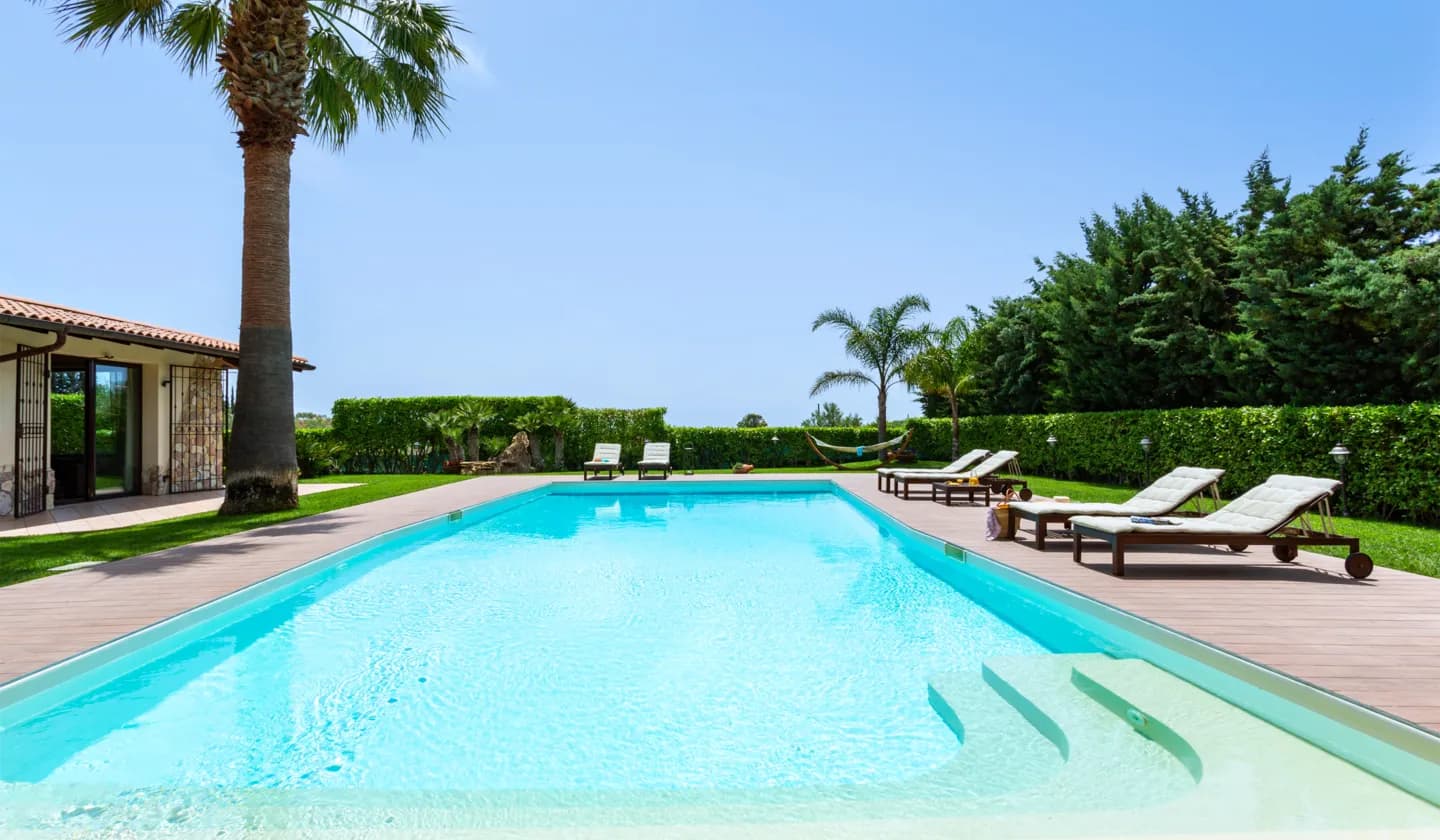
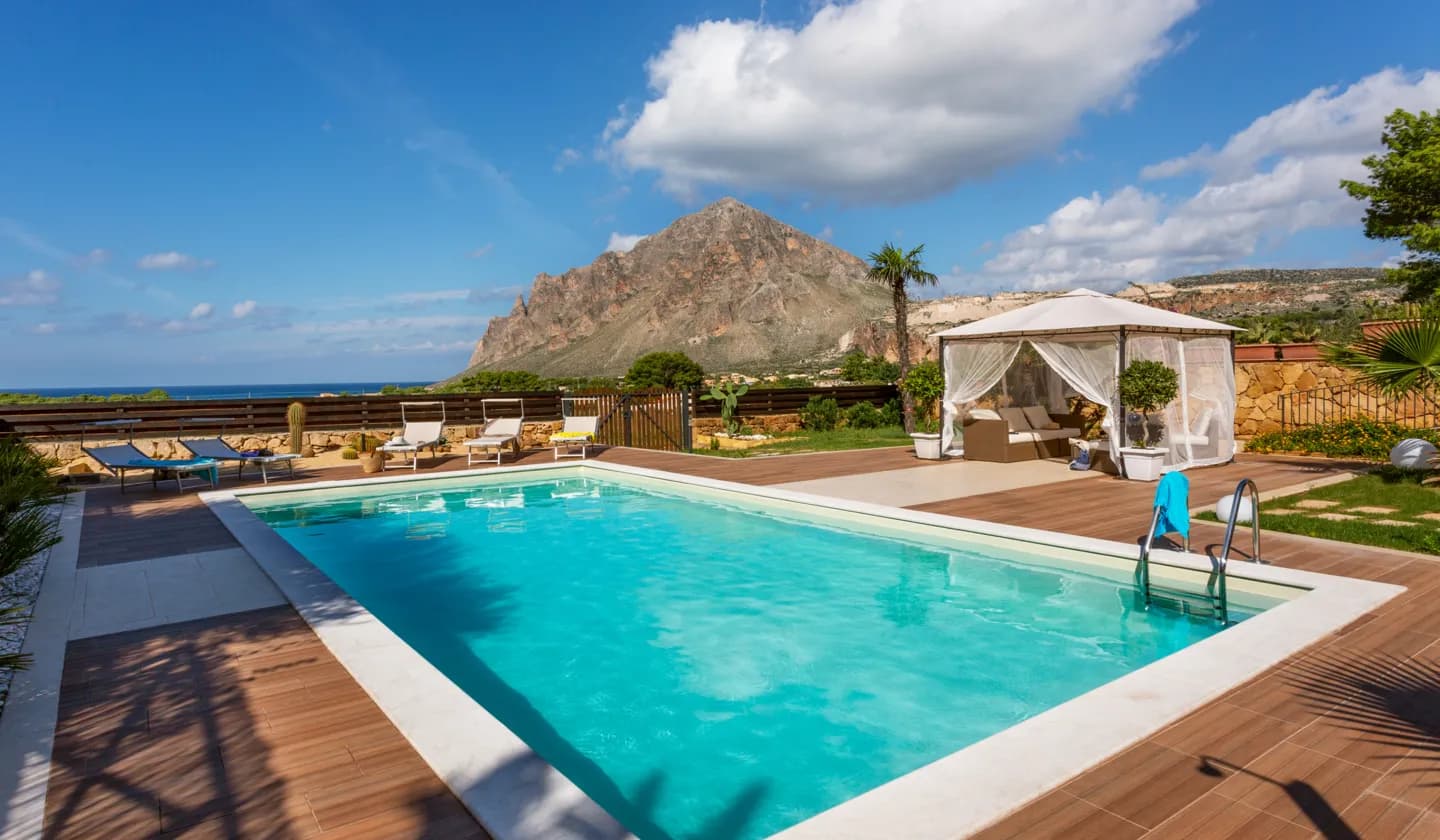
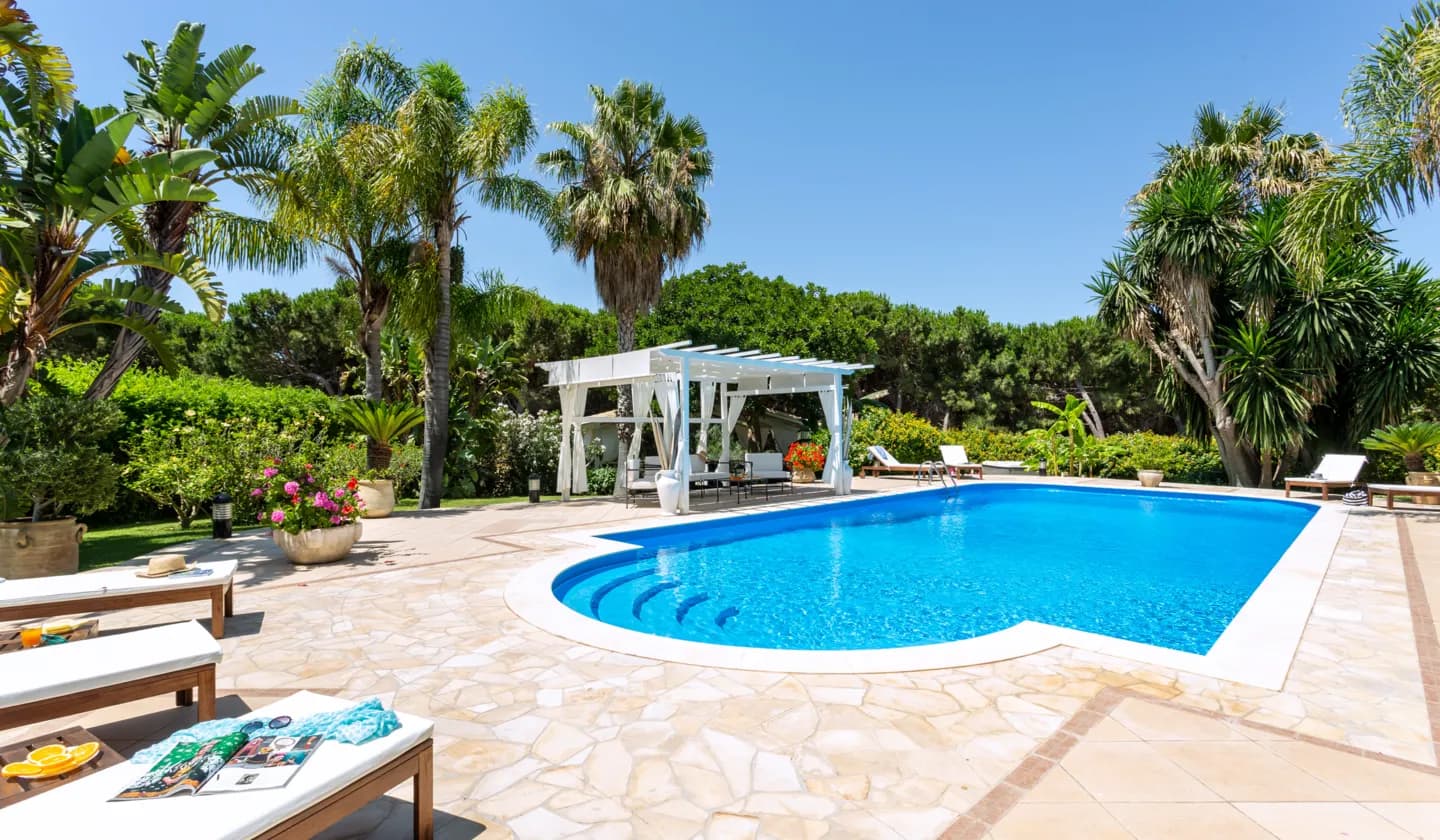
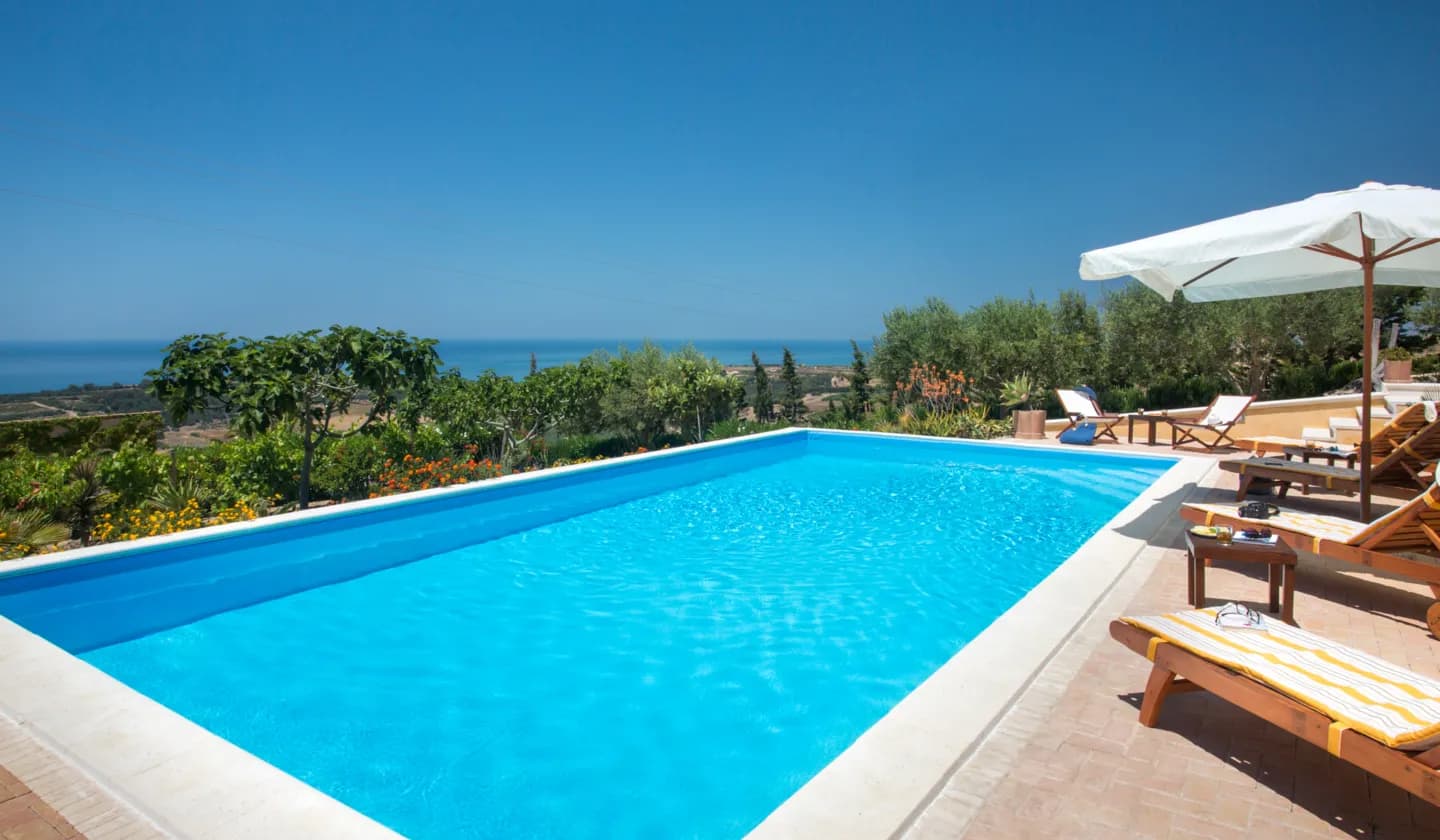
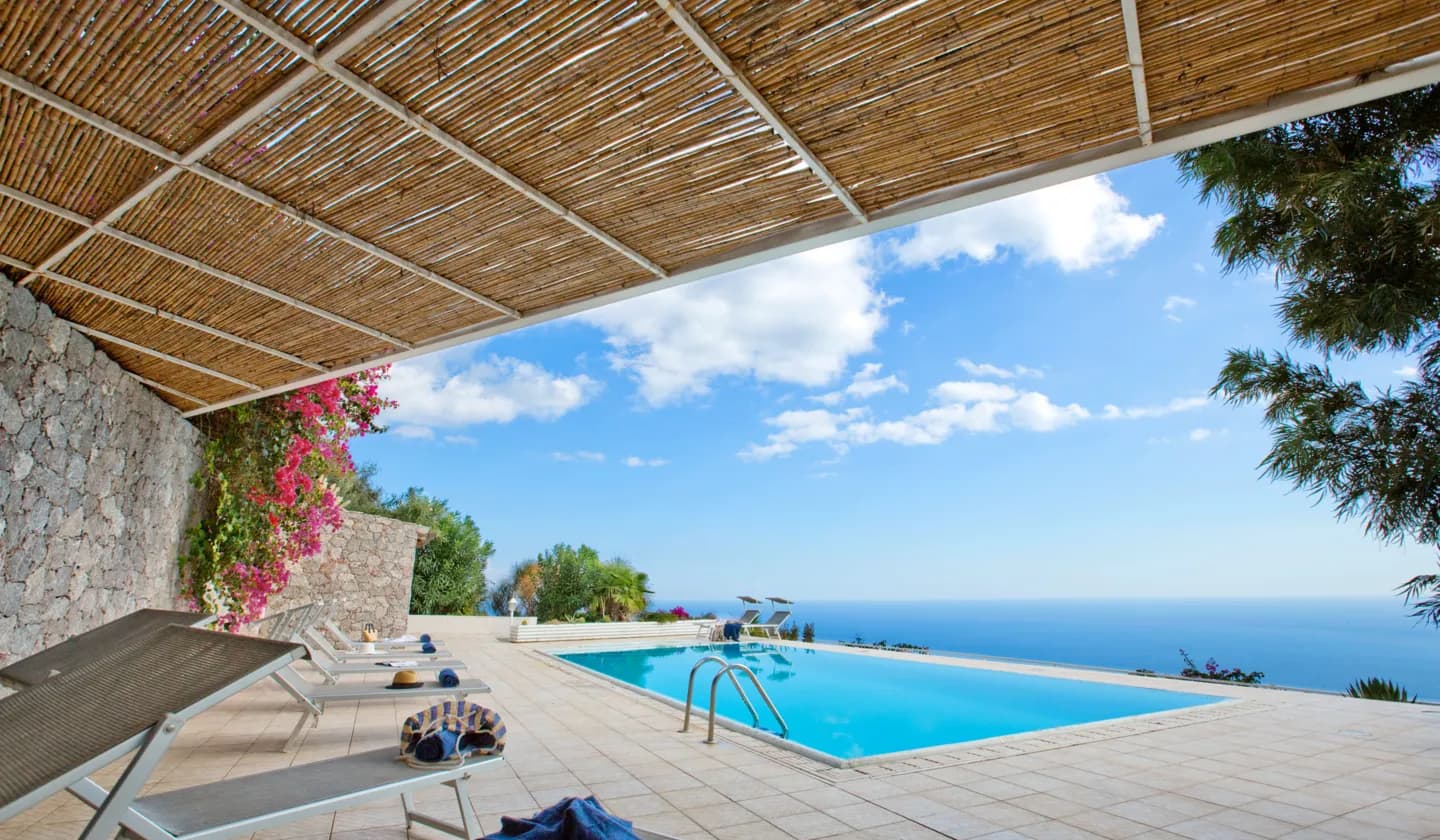
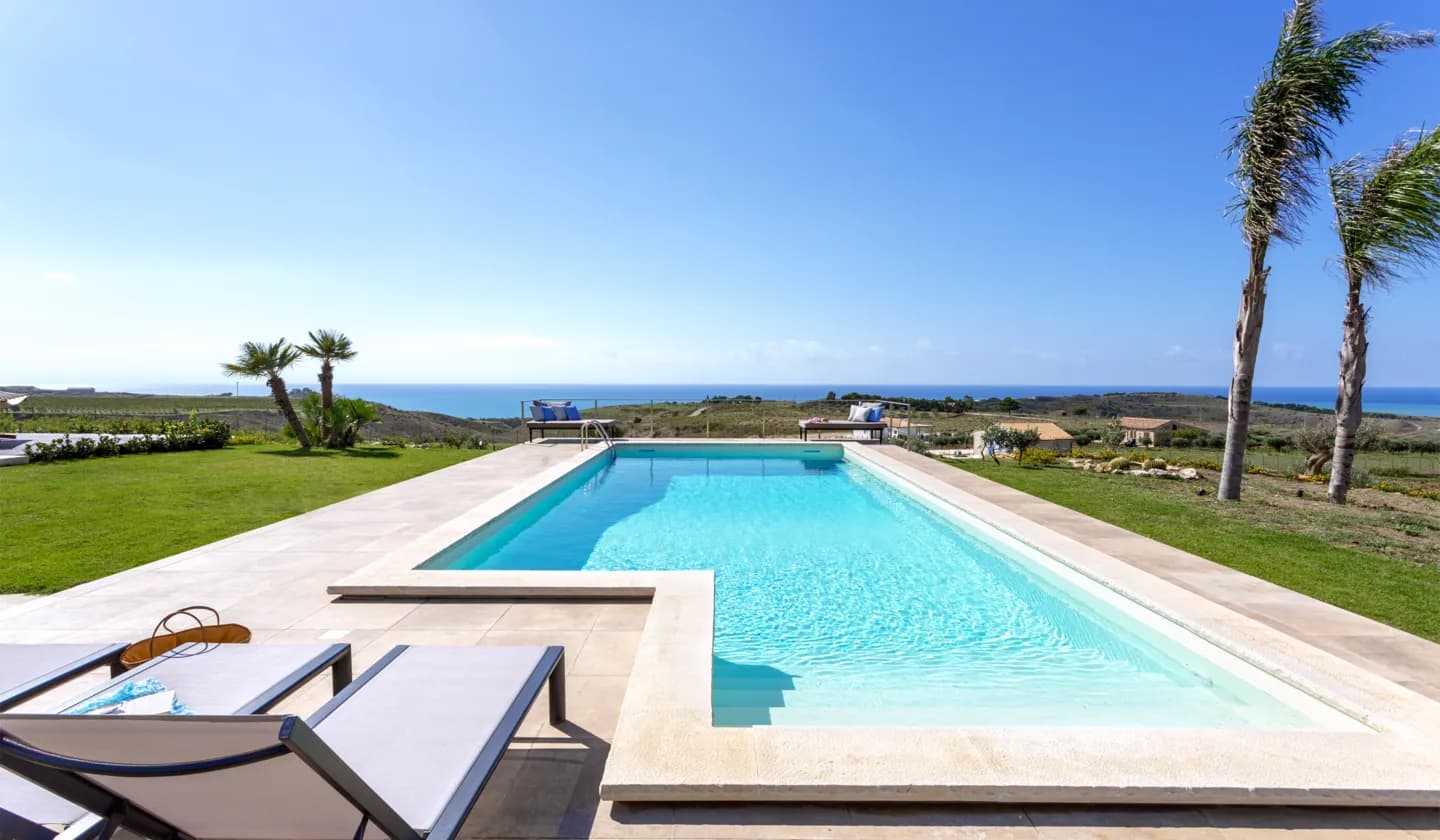
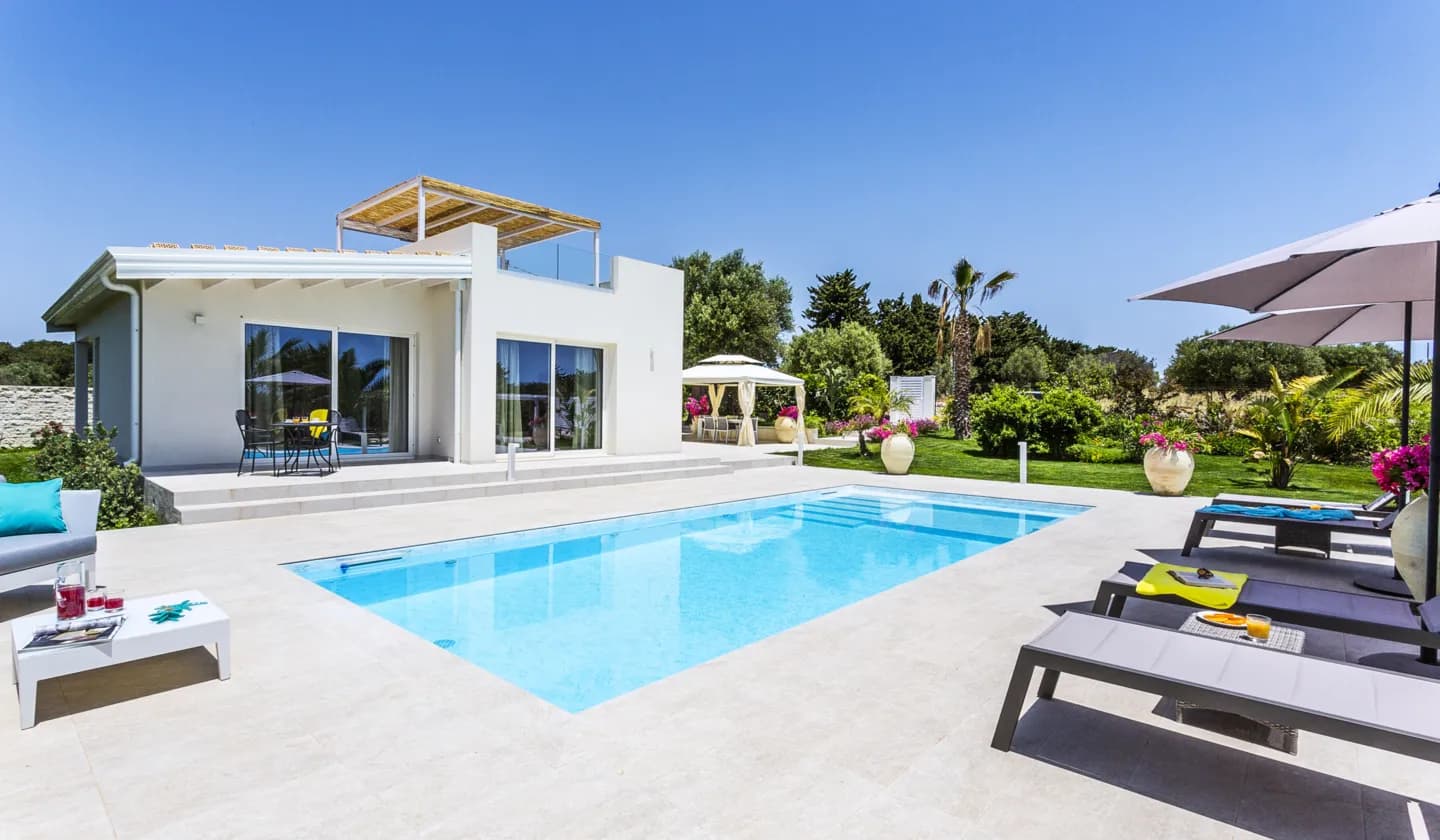
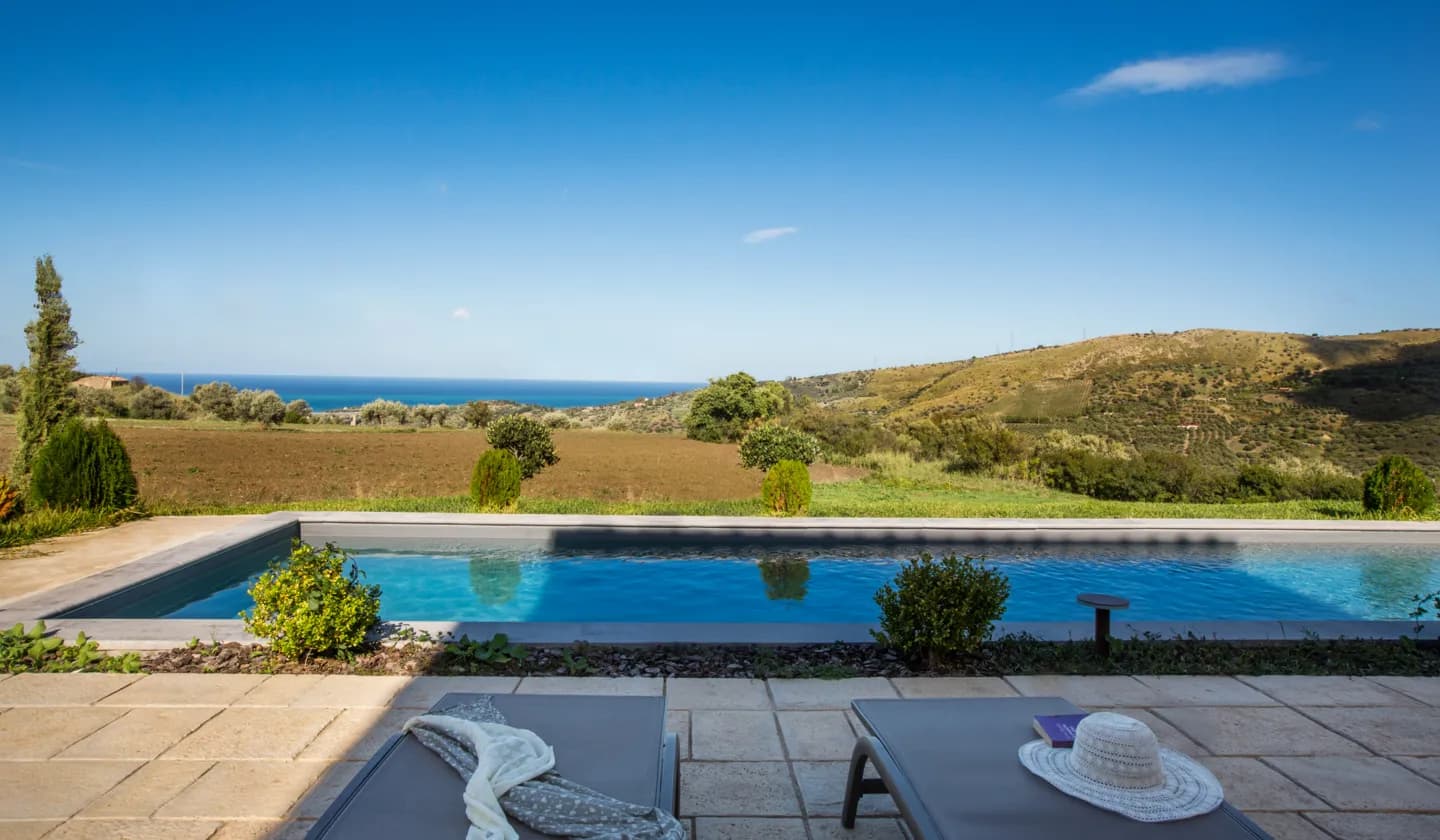
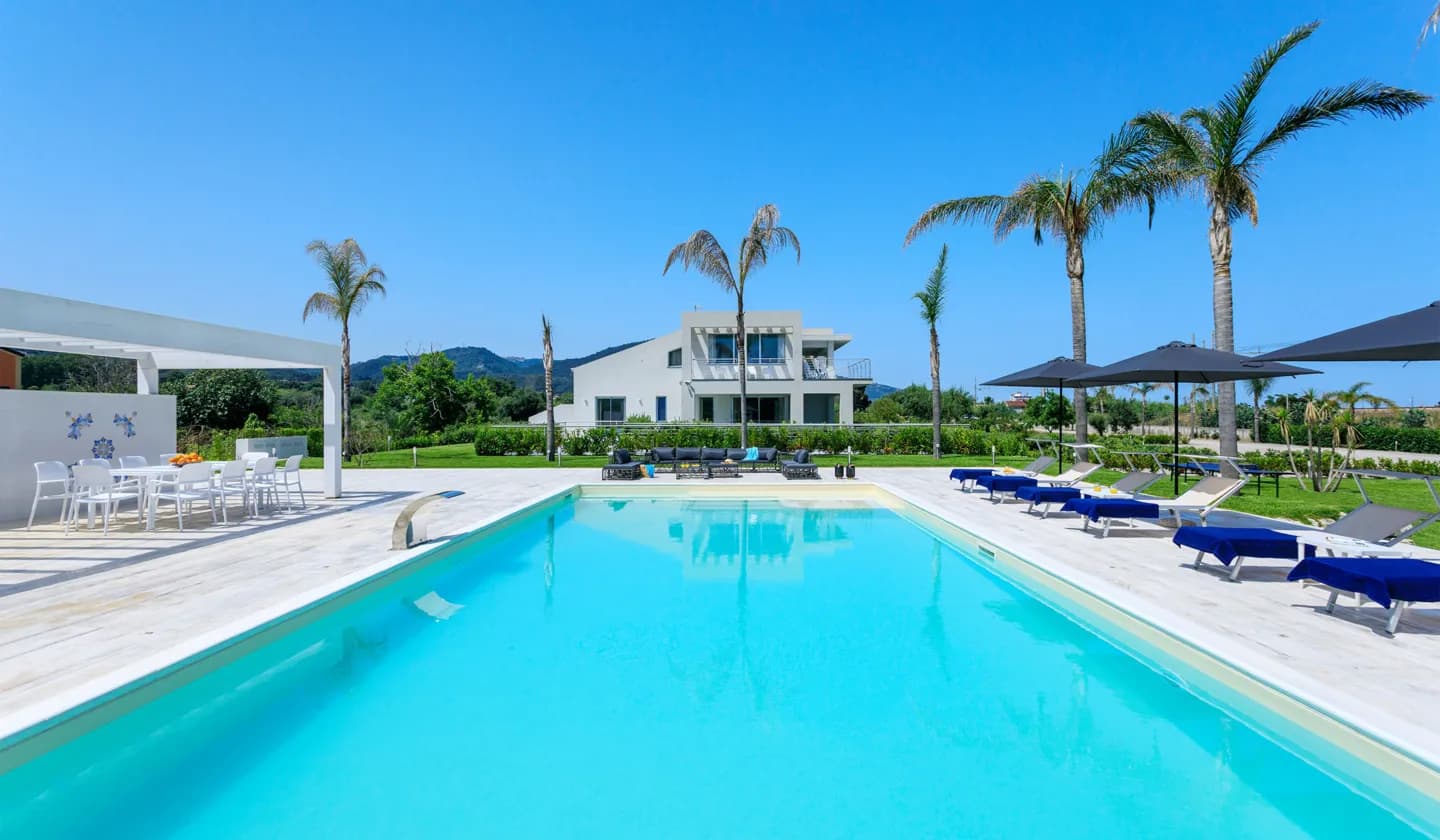
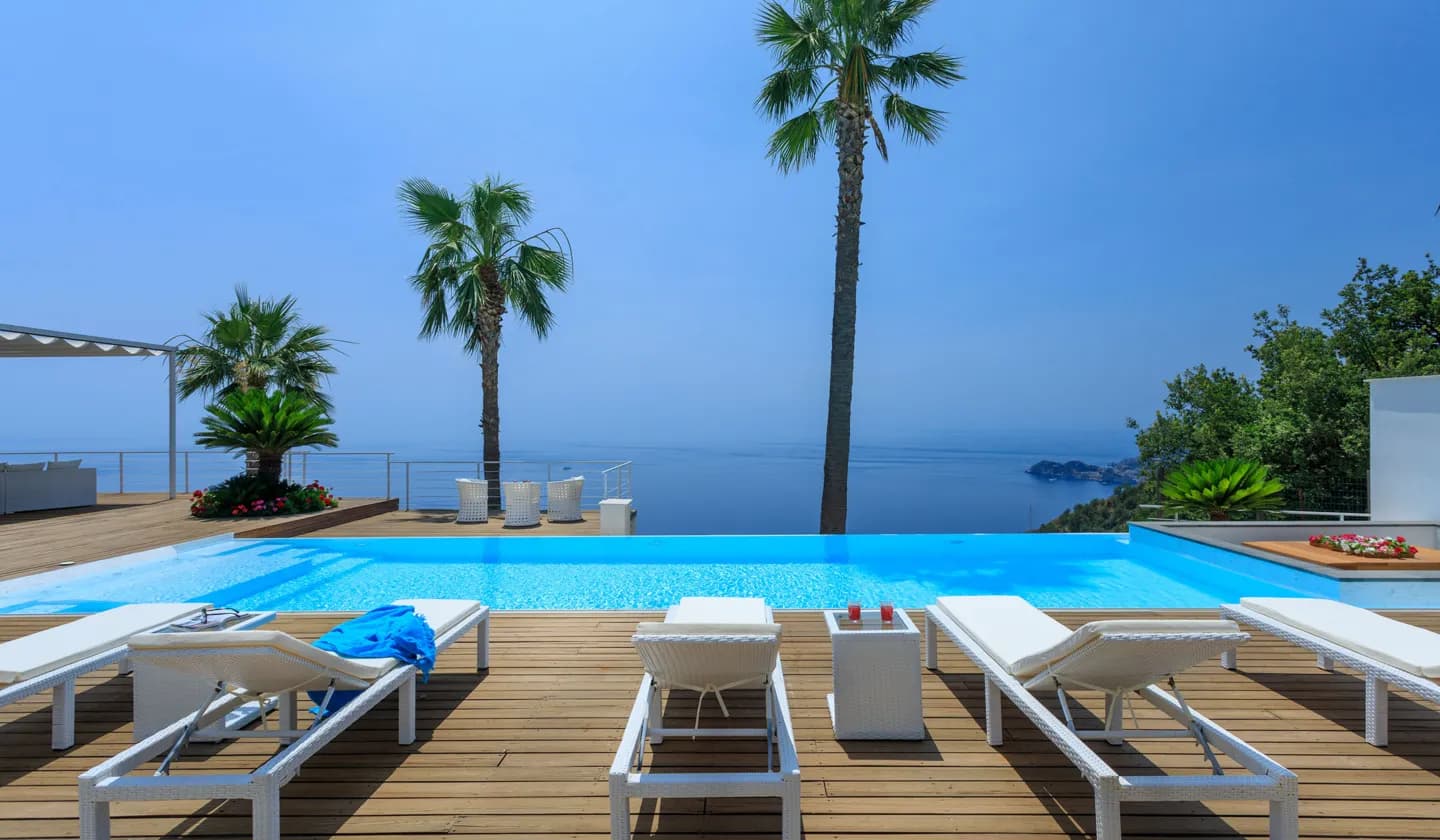
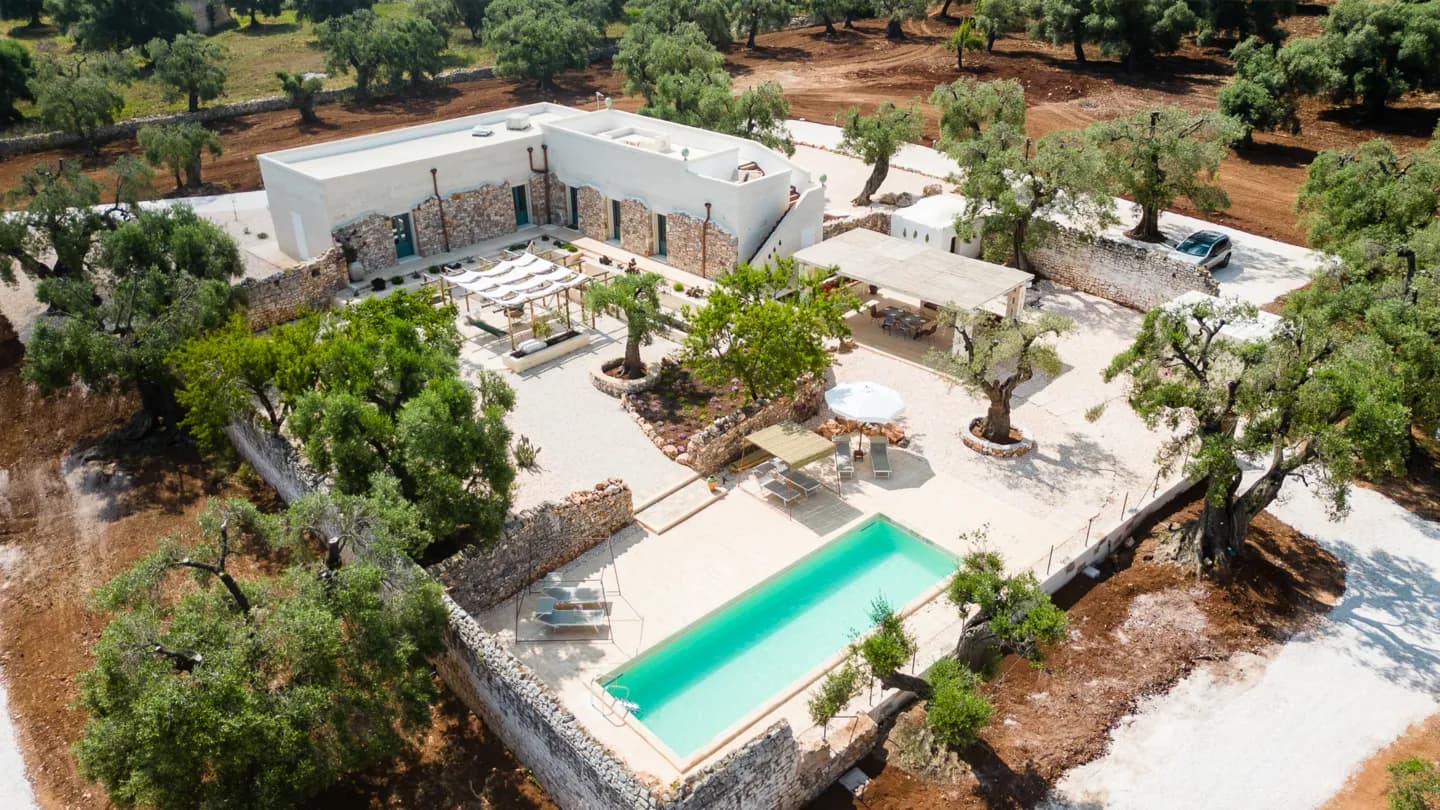
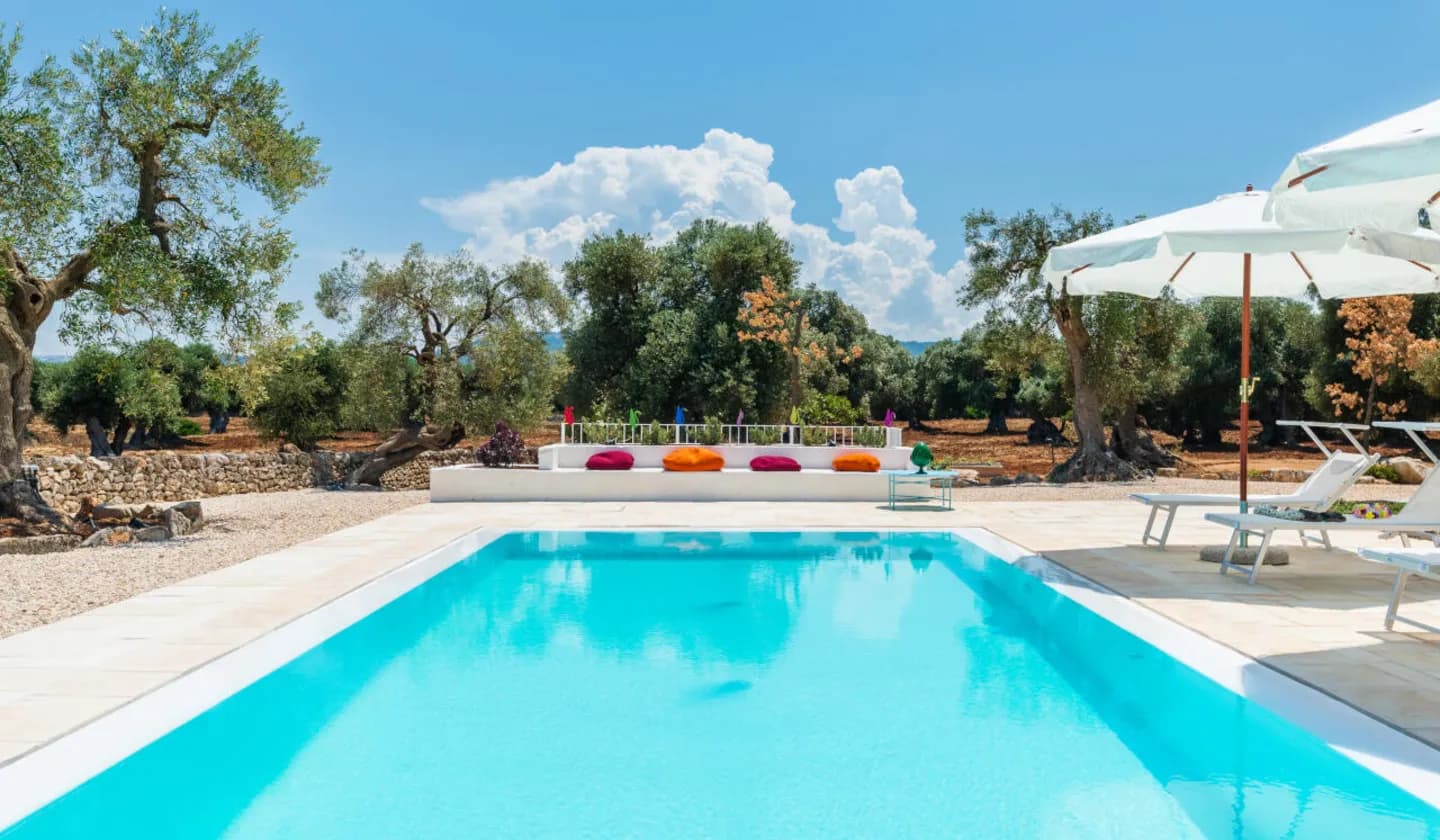
For a family holiday, Itaca is a charming villa close to the sea with a private saltwater pool. Shaded gazebos and spacious terraces make it ideal for families seeking comfort and privacy, with everything needed for a stress-free break. It is also close to some lovely local beaches, as well as Trapani and Erice.
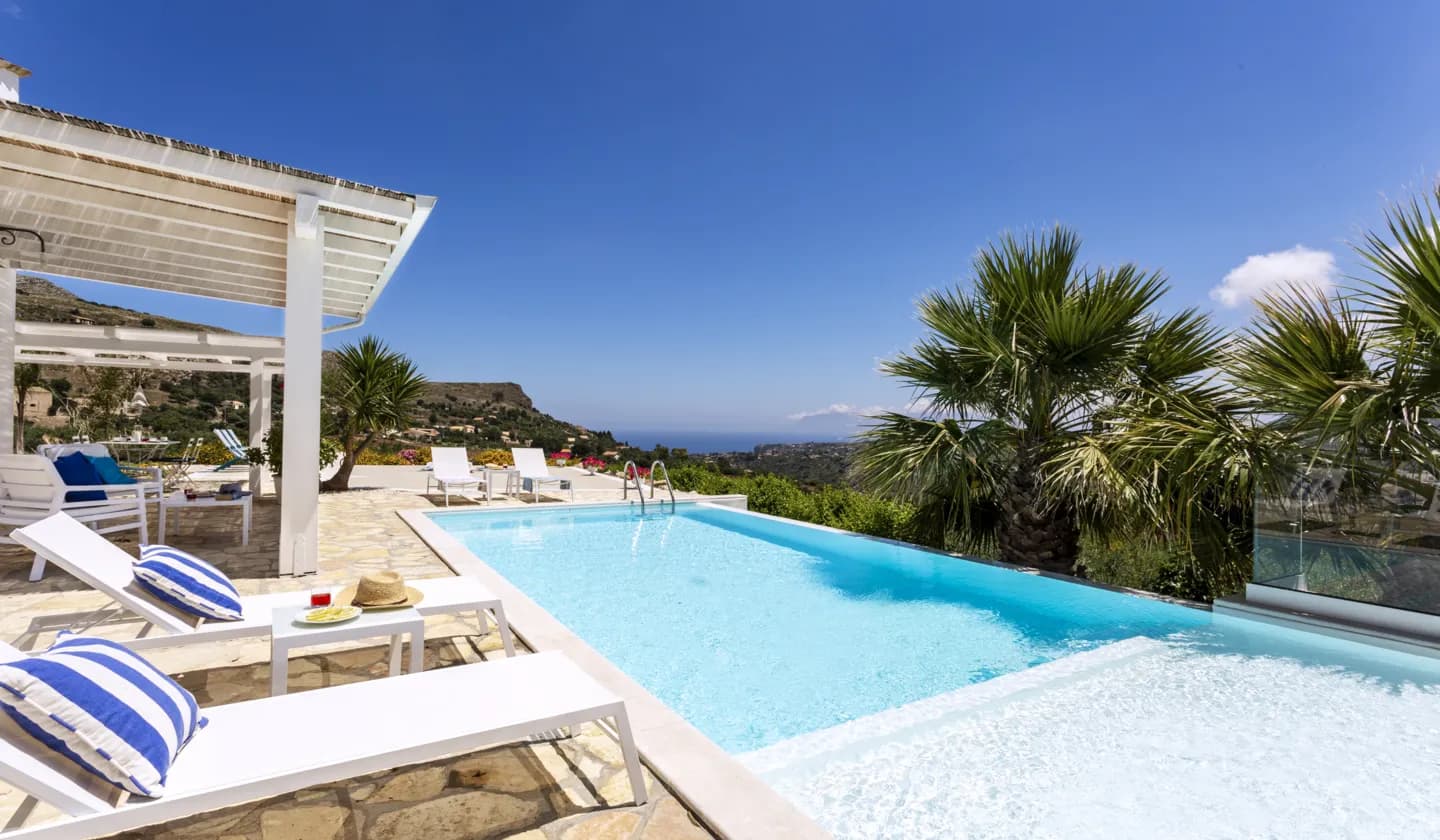
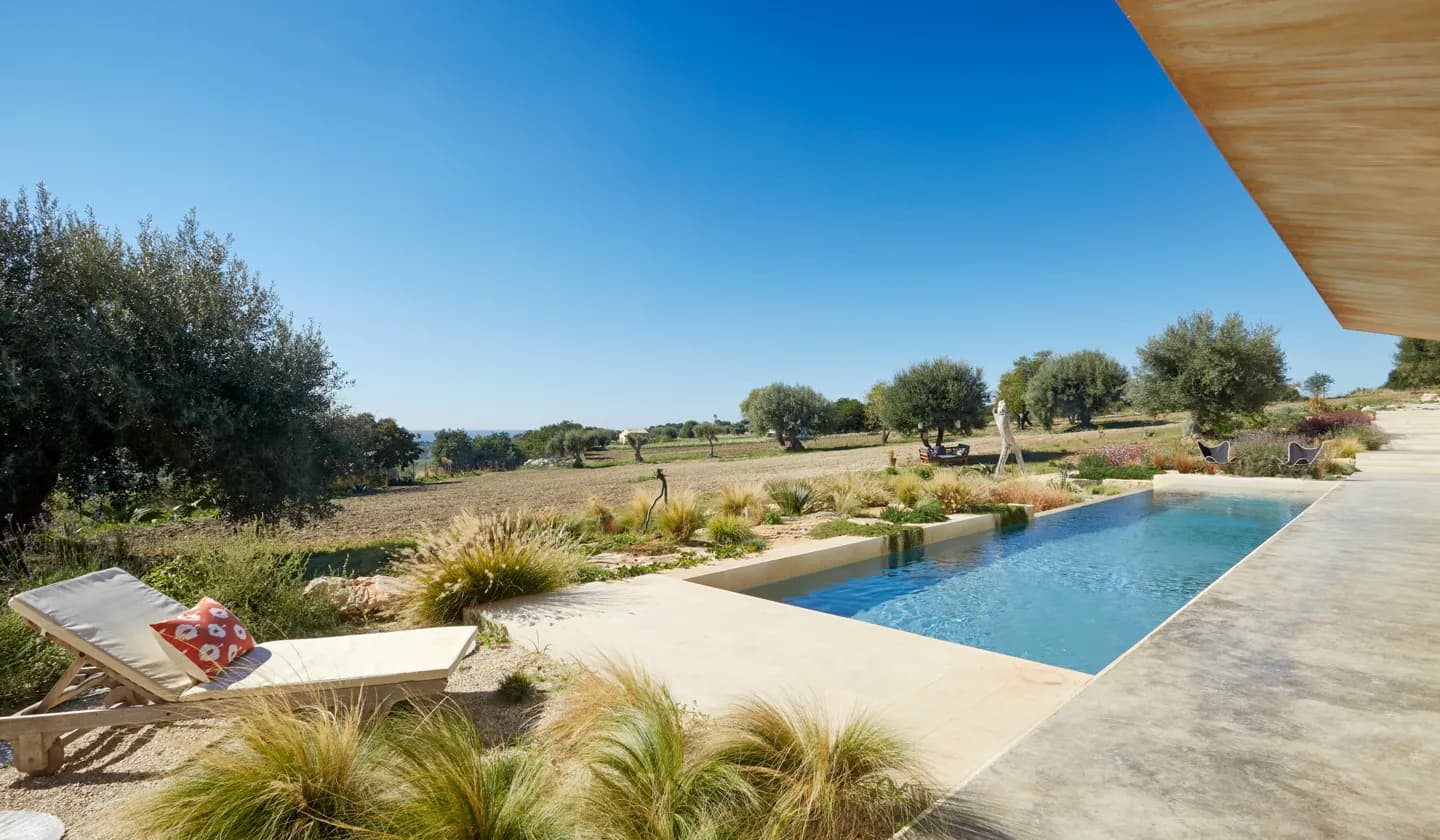
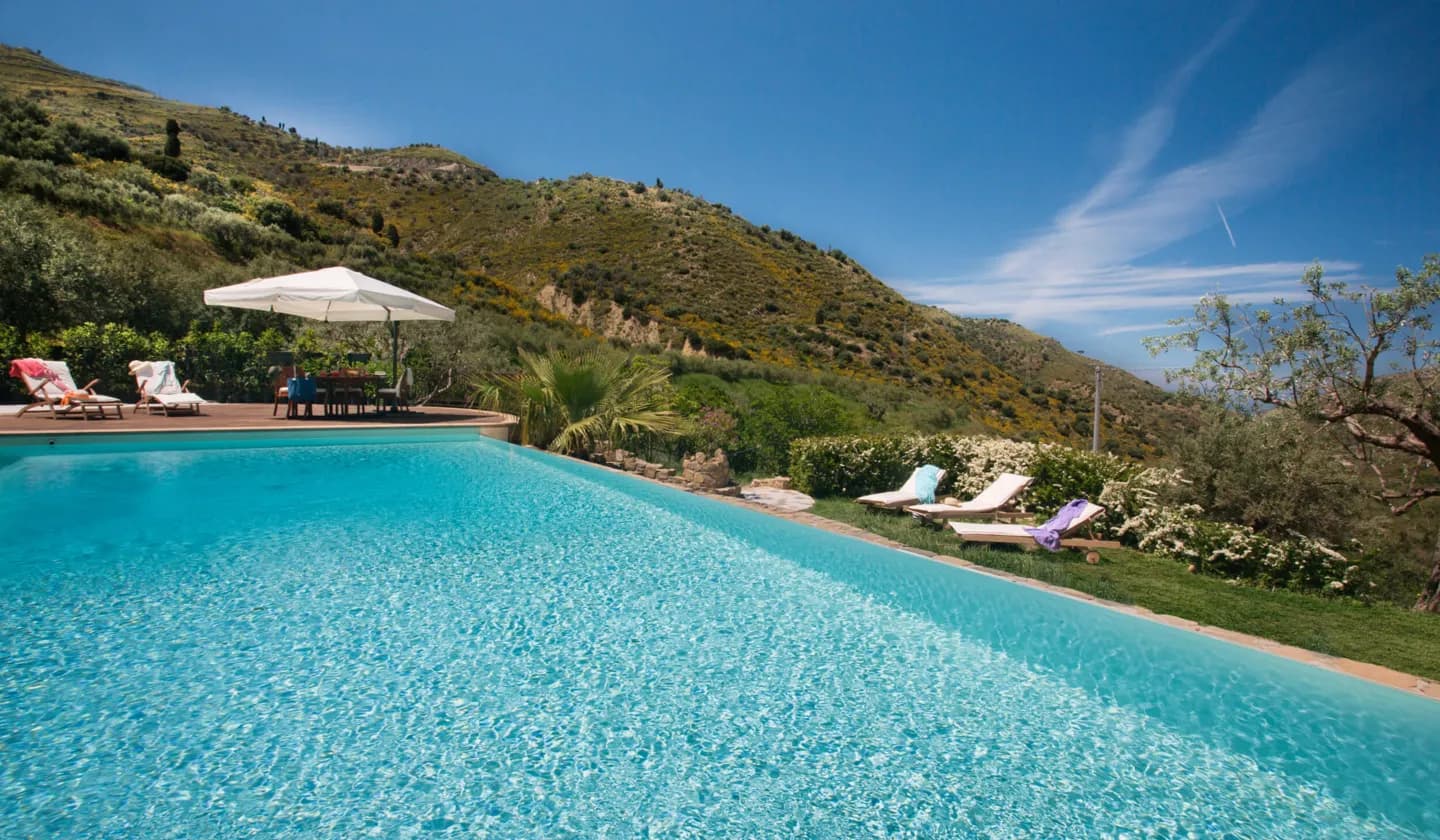
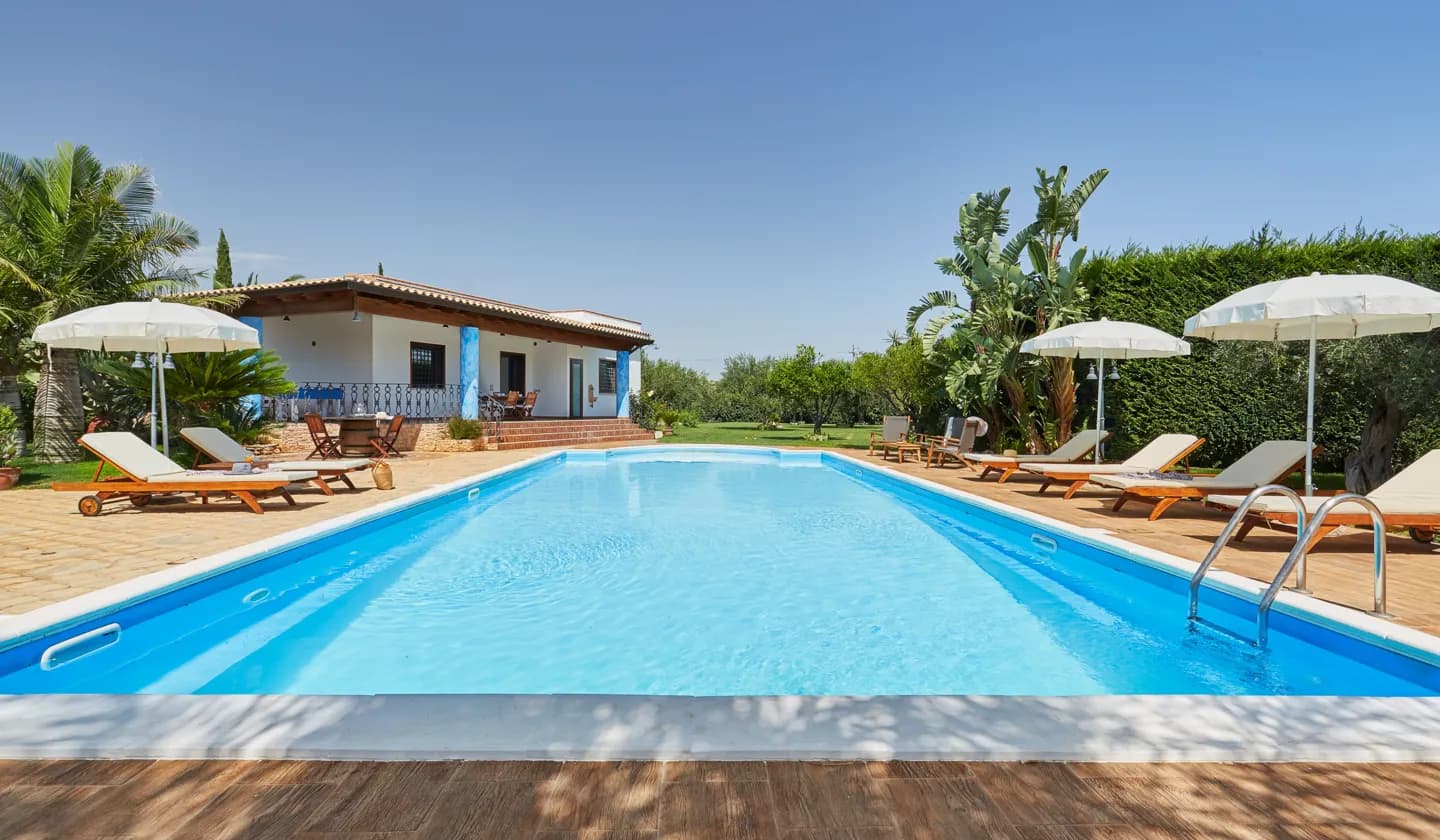
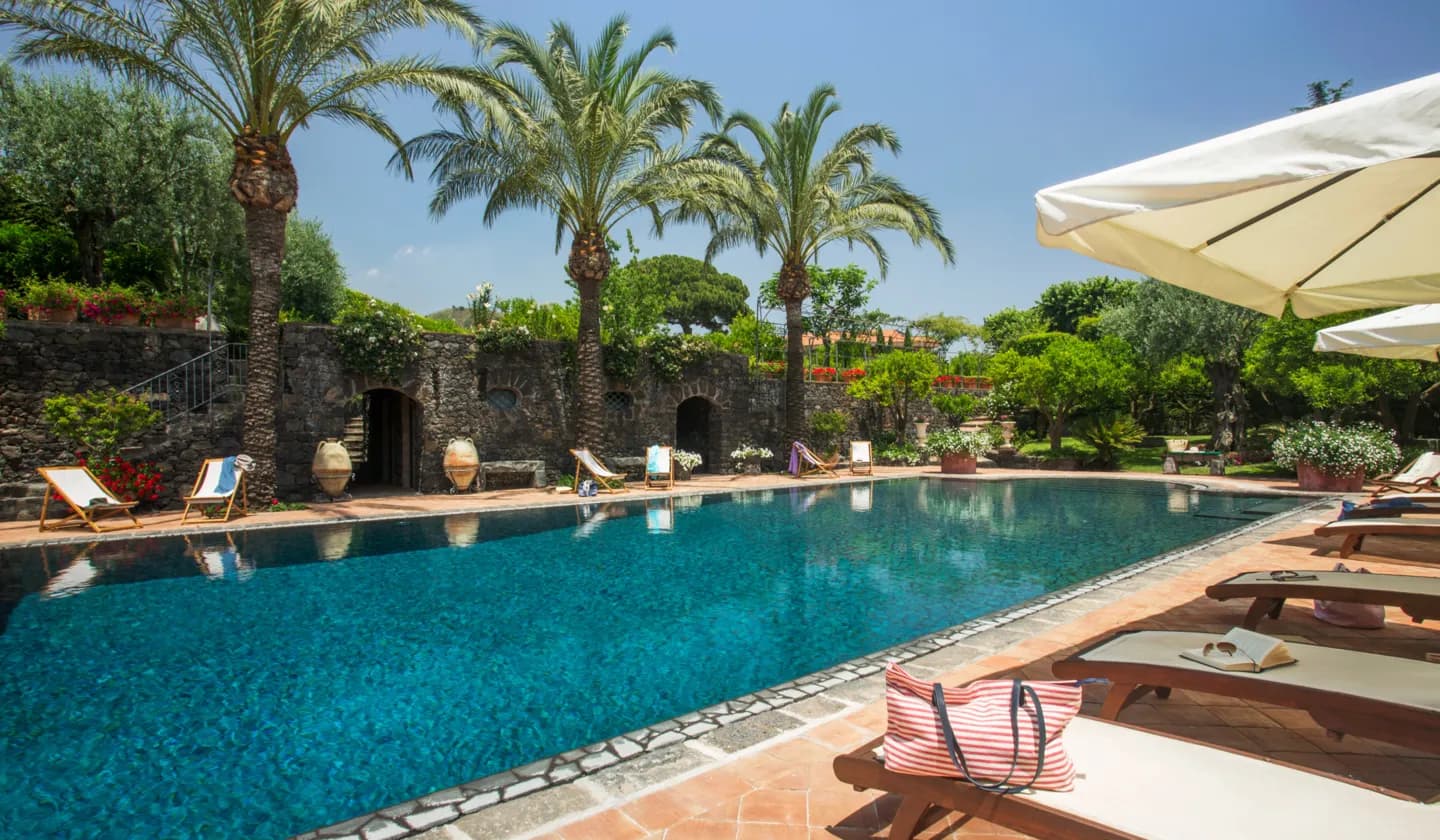
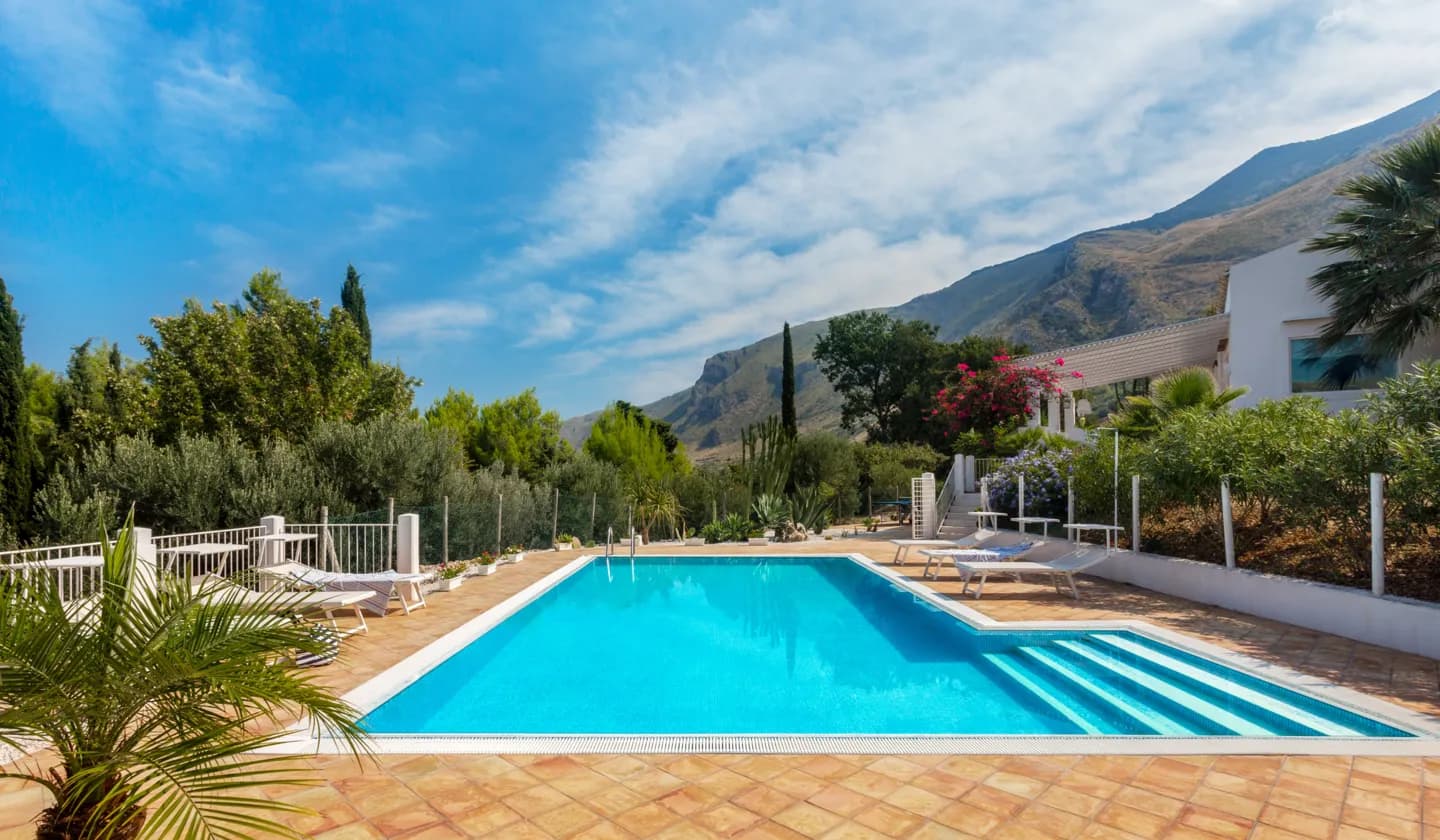
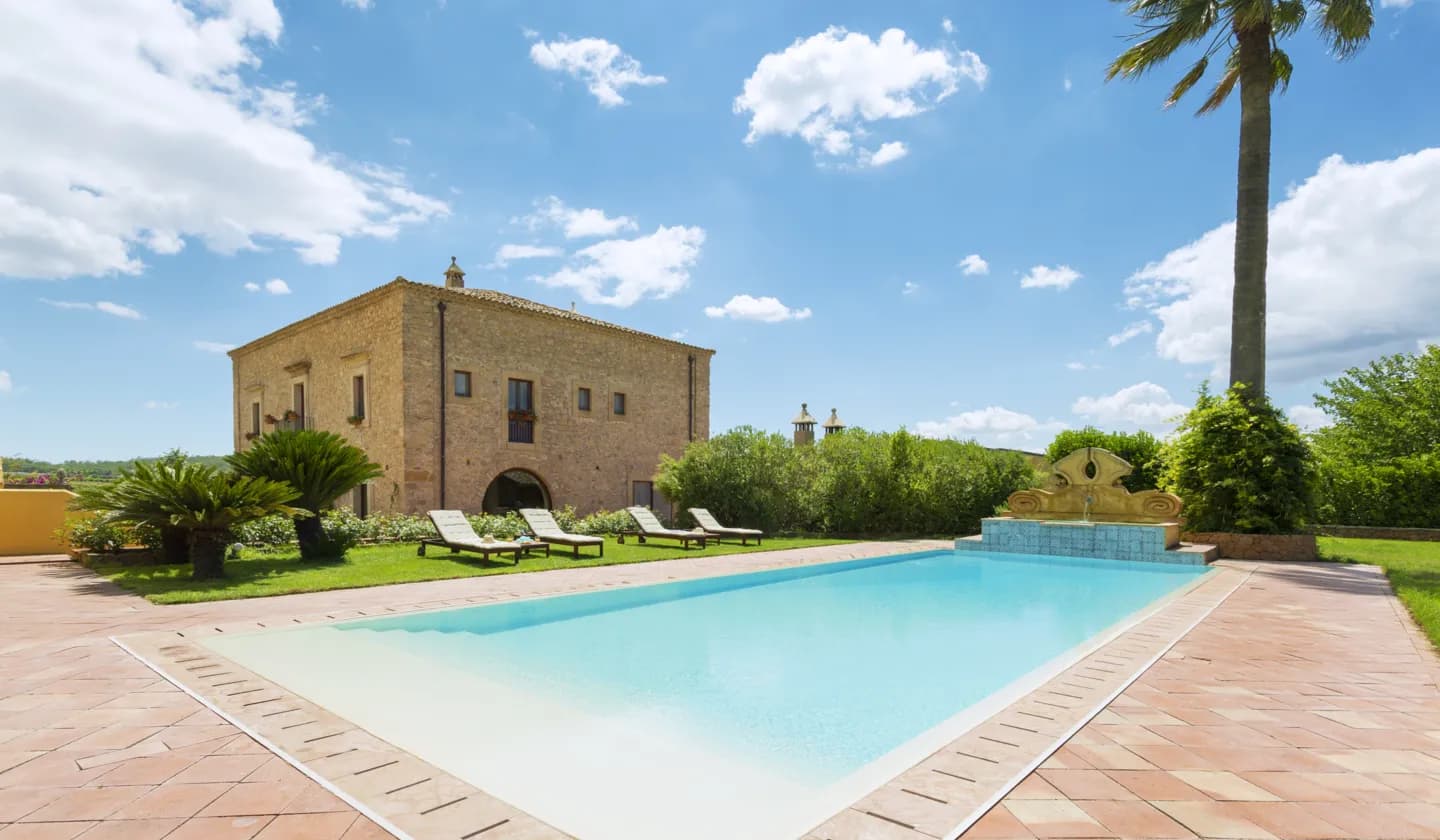
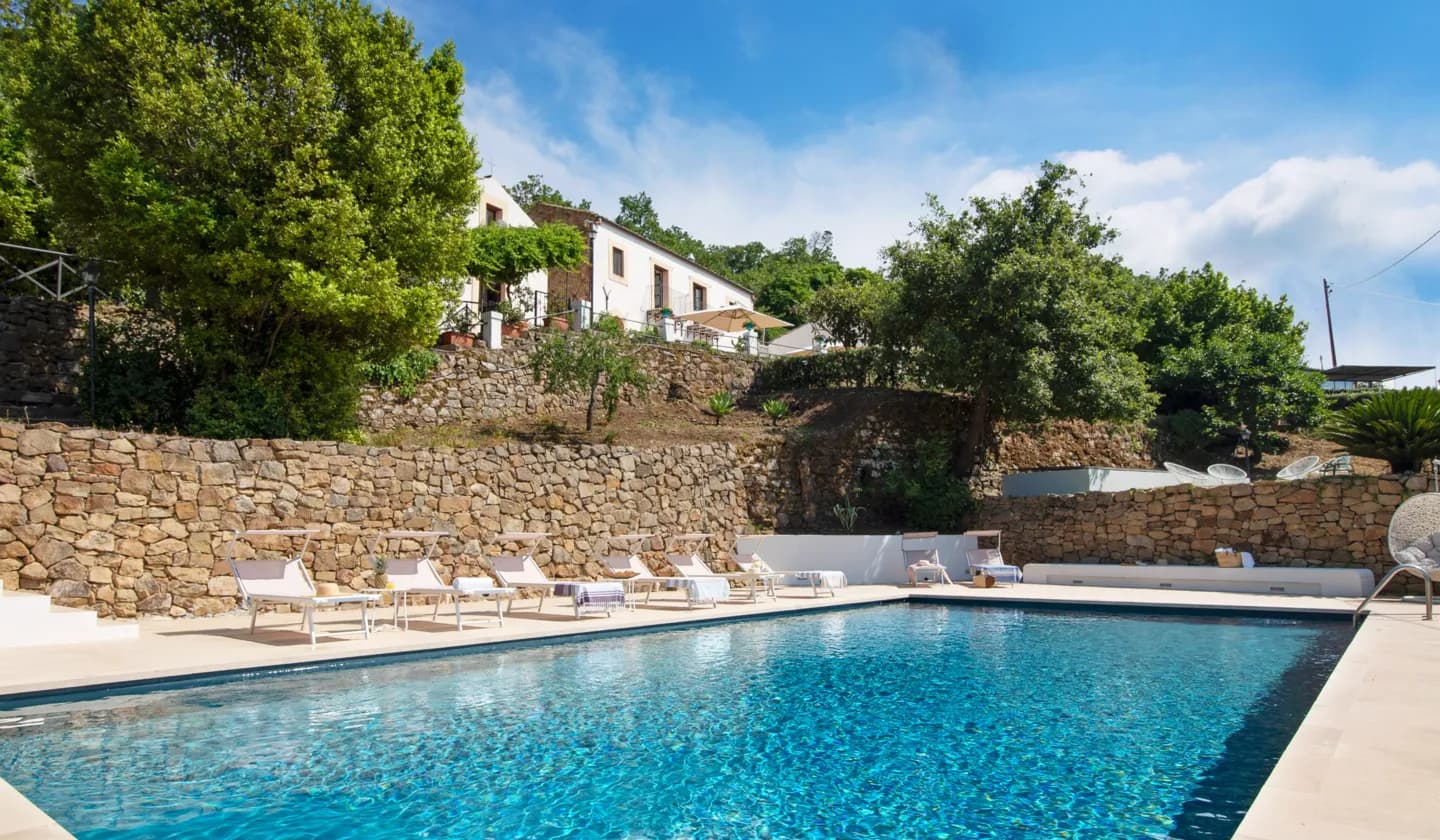
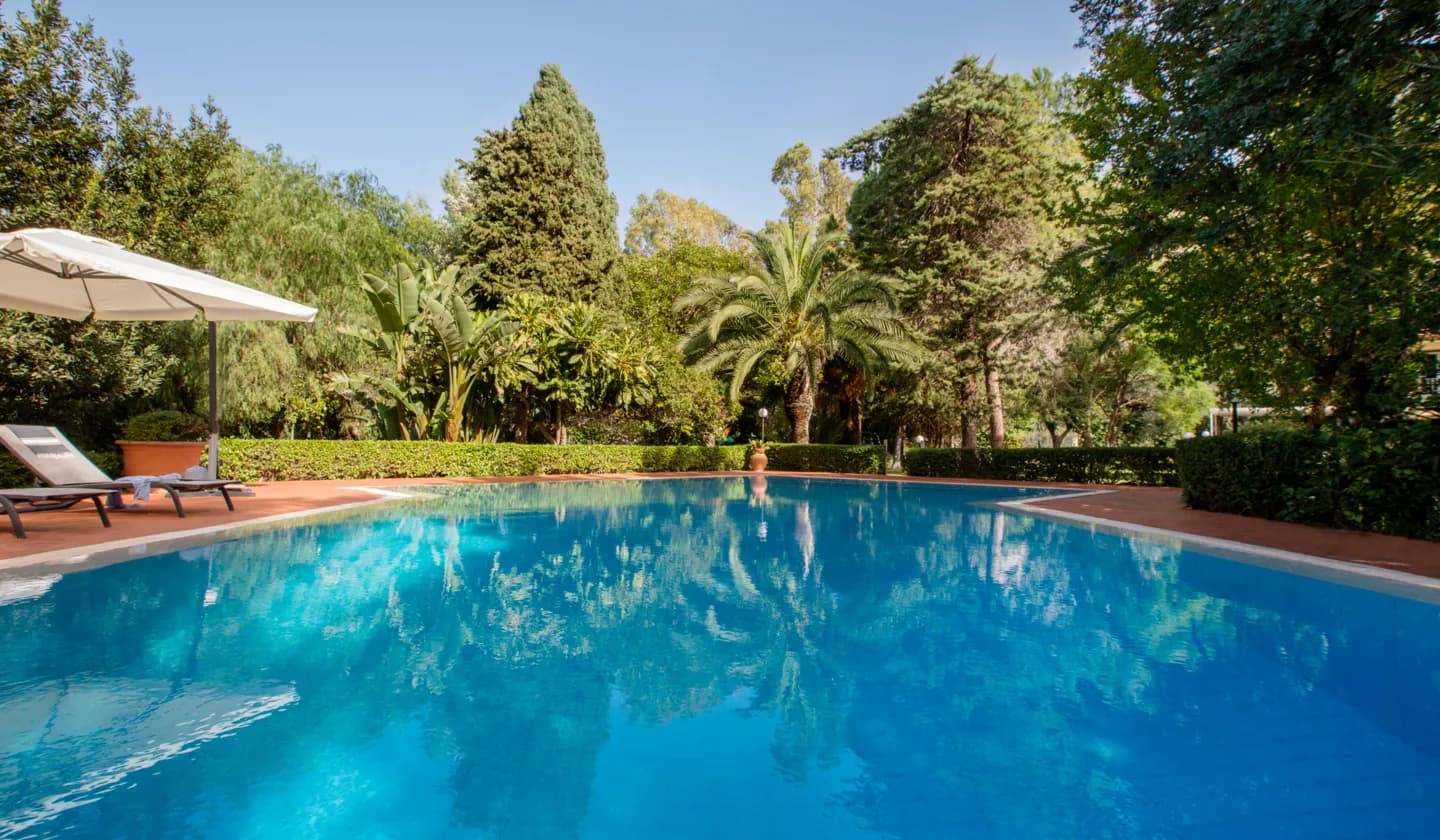
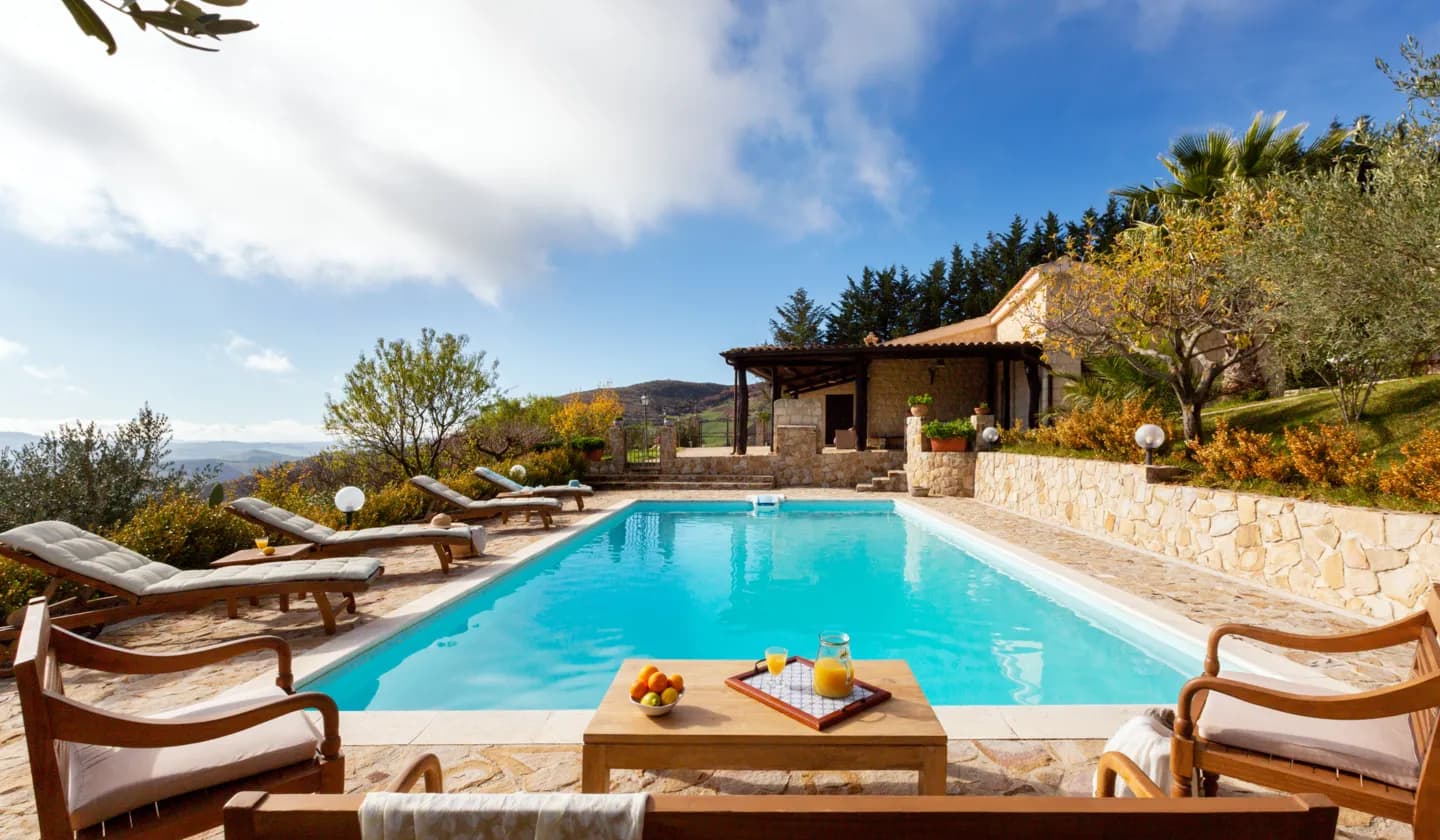
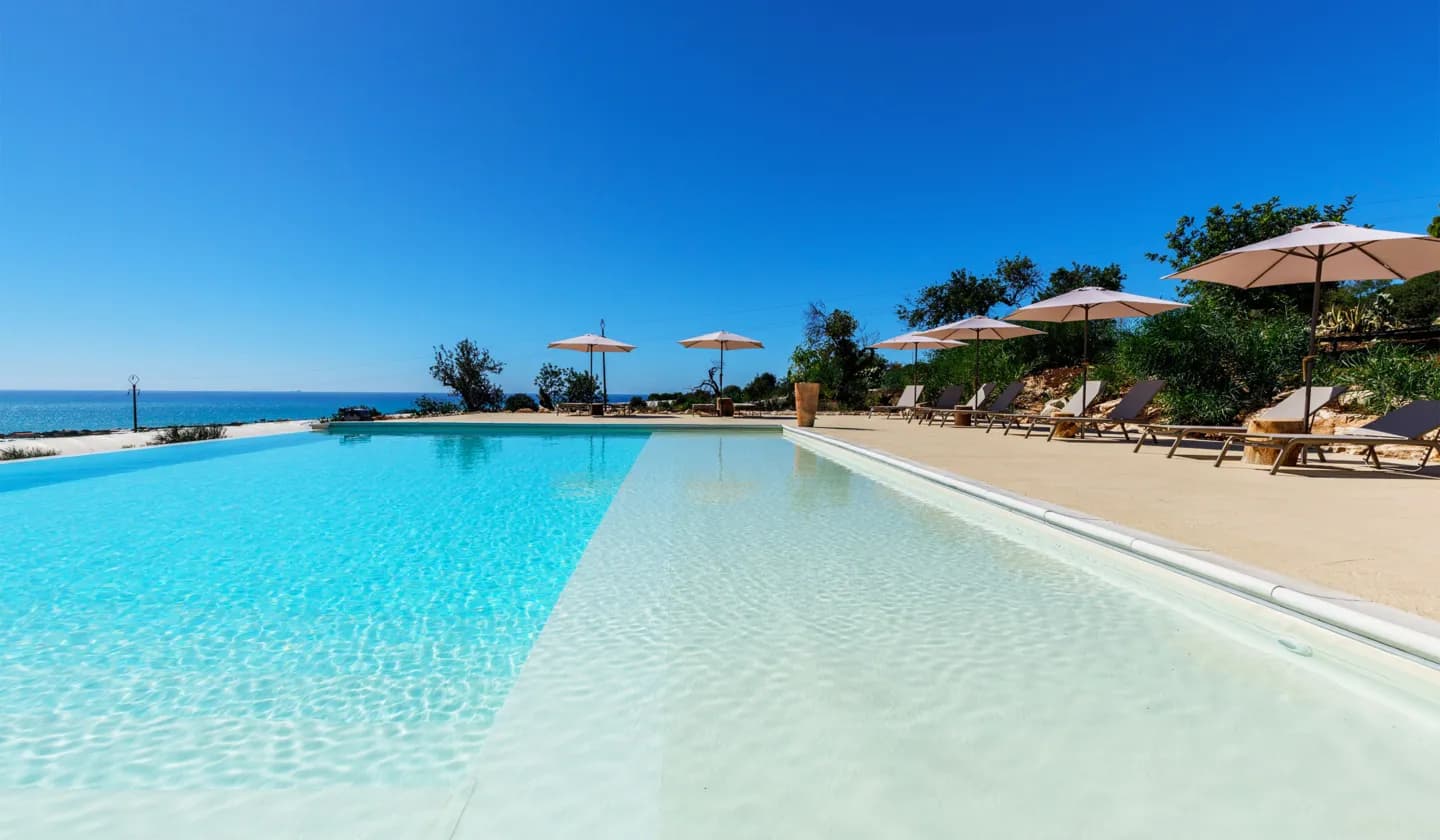
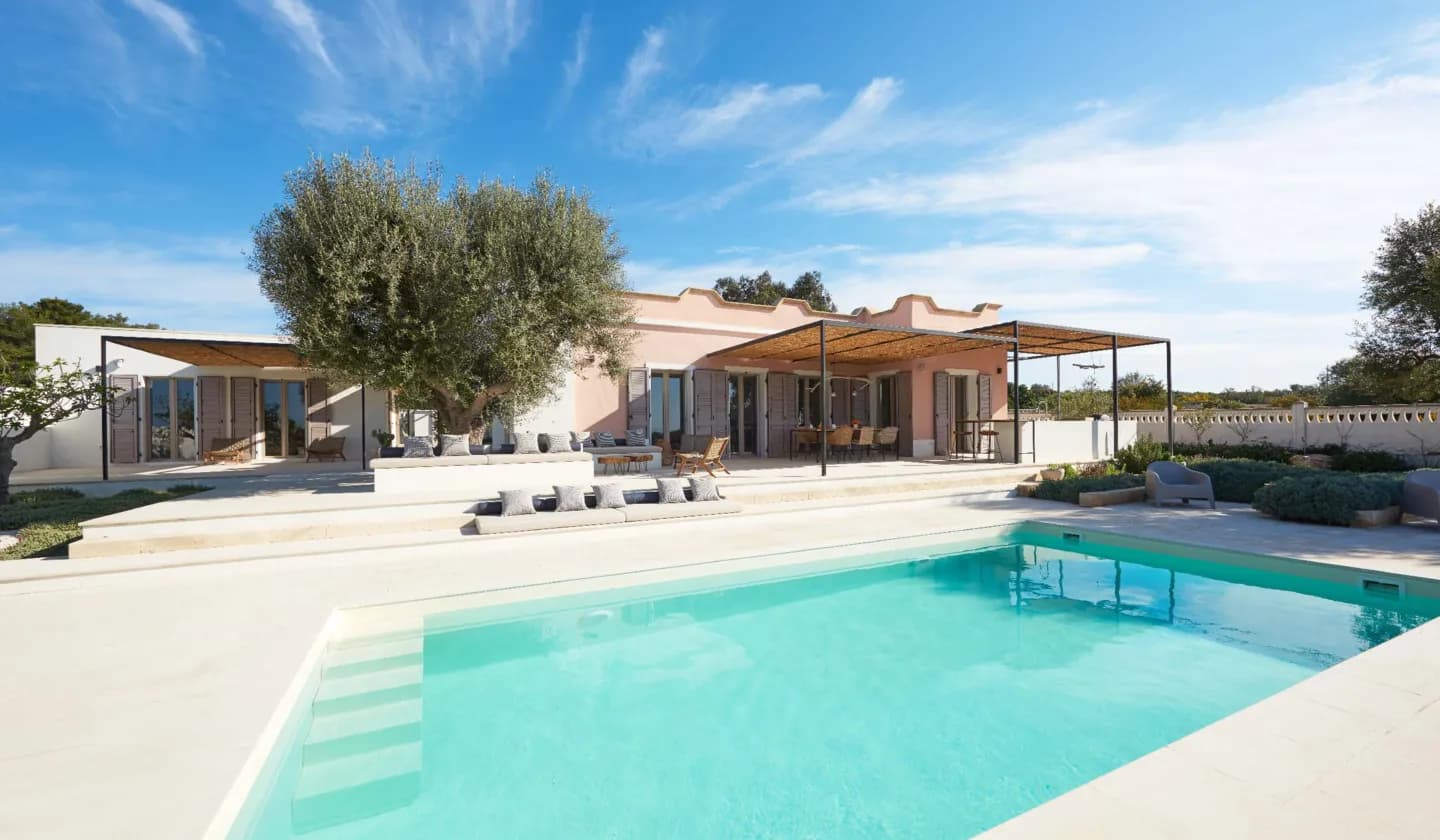
If you want to stay near Marsala for its delicious wines, Salina is a beautifully restored villa set among vineyards, blending traditional charm with contemporary comforts. Outside, expect a large private pool, shaded dining terrace, and barbecue area. It’s perfect for a tranquil holiday near the coast.
Frequently Asked Questions about Visiting Trapani and Erice
How do I get from Trapani to Erice?
Take the ten-minute cable car from Trapani, or drive the winding SP31 mountain road if you'd rather have your own transport and don't mind hairpin bends.
How much time do I need in Erice?
A half-day is enough to see the main sights, though it's easy to linger longer given the views and the pastries.
Is Erice cold, even in summer?
Erice’s altitude means it's noticeably cooler than Trapani and frequently wrapped in mist, so bring a light jacket even in warmer months.
Can I visit Trapani, Erice and Marsala in one day?
It's possible but rushed; a more relaxed pace is Trapani and Erice together on one day, with Marsala as a separate half-day trip.
Is Trapani walkable?
The old town is compact and best explored on foot, though a car or bus is useful for reaching the salt pans.
Do I need to book restaurants in advance?
In peak season, yes, especially for well-known seafood spots in Trapani and wineries in Marsala offering tastings.
Are the Aegadian Islands easy to reach from Trapani?
Regular ferries and hydrofoils run from Trapani's port to Favignana, Levanzo and Marettimo, most taking well under an hour.